



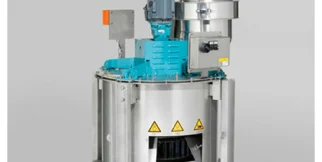
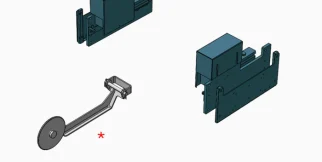
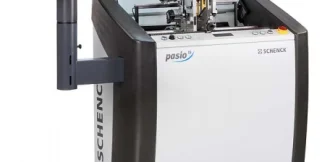
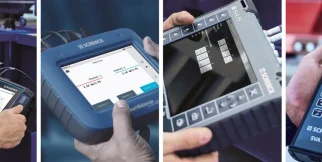
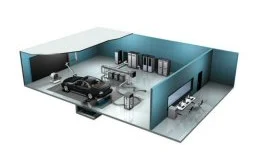
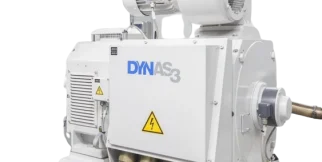
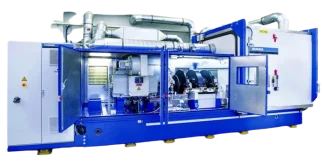



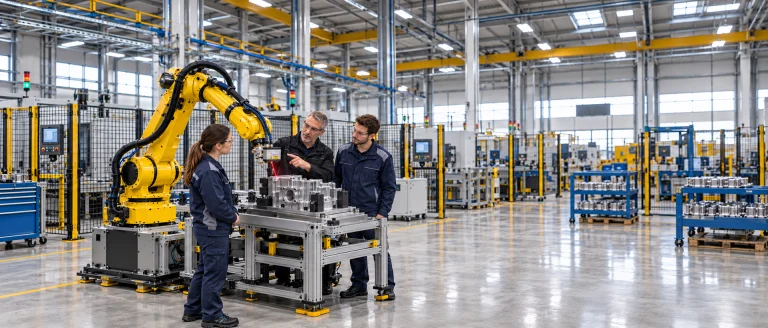
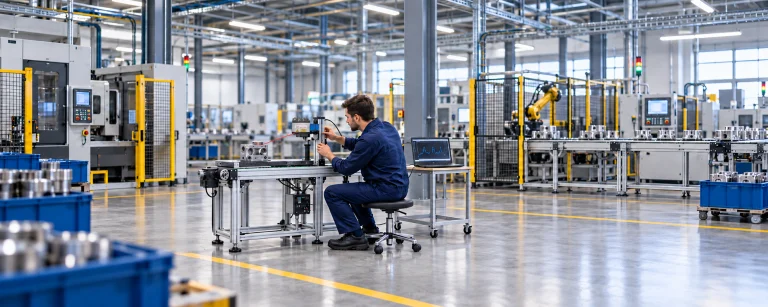
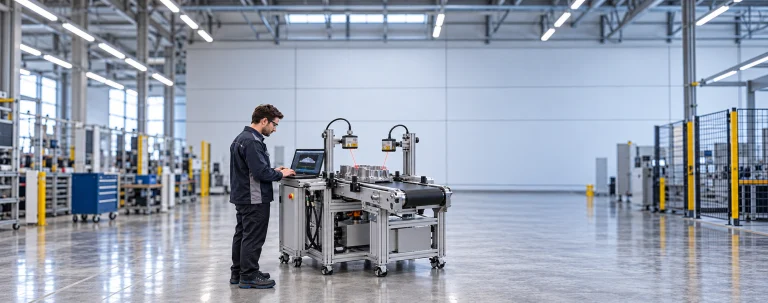








Axle Drives With our balancing machines for front and rear axle transmissions, the measured unbalance is corrected by drilling into the drive flanges of the transmissions (welding optional). We support you with our interdisciplinary expertise in the production of front and rear axle transmissions from the initial idea to the design stage through to series production.
Advanced balancing machines for axle drives and differentials. High-precision, automated solutions from Schenck for automotive and industry.

Axle Drives With our balancing machines for front and rear axle transmissions, the measured unbalance is corrected by drilling into the drive flanges of the transmissions (welding optional). We support you with our interdisciplinary expertise in the production of front and rear axle transmissions from the initial idea to the design stage through to series production. is an application documented by Schenck RoTec. This page summarizes the engineering task and the system-selection considerations for an Elina implementation.
Application challenge
Advanced balancing machines for axle drives and differentials. High-precision, automated solutions from Schenck for automotive and industry.
Measurement or test approach
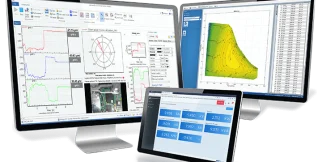
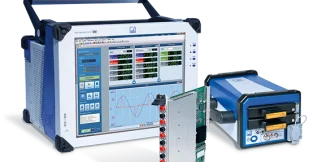
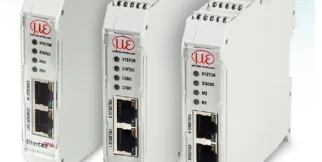
The engineering workflow combines rotor-specific balancing or spin-testing equipment, measurement electronics, software and a defined correction process.
Topics covered by the manufacturer
- Advantages of Schenck balancing machines for axle drives
- High precision
- Automated correction
- Easy integration into your production
- High measuring accuracy
- Cost efficiency
- Short cycle time
- Worth knowing Facts and figures about Schenck balancing machines for axle drives.
Information required for system selection
Define rotor mass and dimensions, operating or balancing speed, permissible residual unbalance, correction method and production throughput.
The problem
Advanced balancing machines for axle drives and differentials. High-precision, automated solutions from Schenck for automotive and industry.
The method
The engineering workflow combines rotor-specific balancing or spin-testing equipment, measurement electronics, software and a defined correction process.
The result
The delivered configuration must be verified against the operating envelope and performance required by the application.