








- Range
- 10 mm
- Linearity
- 10 µm
- Max. rate
- 2 kHz
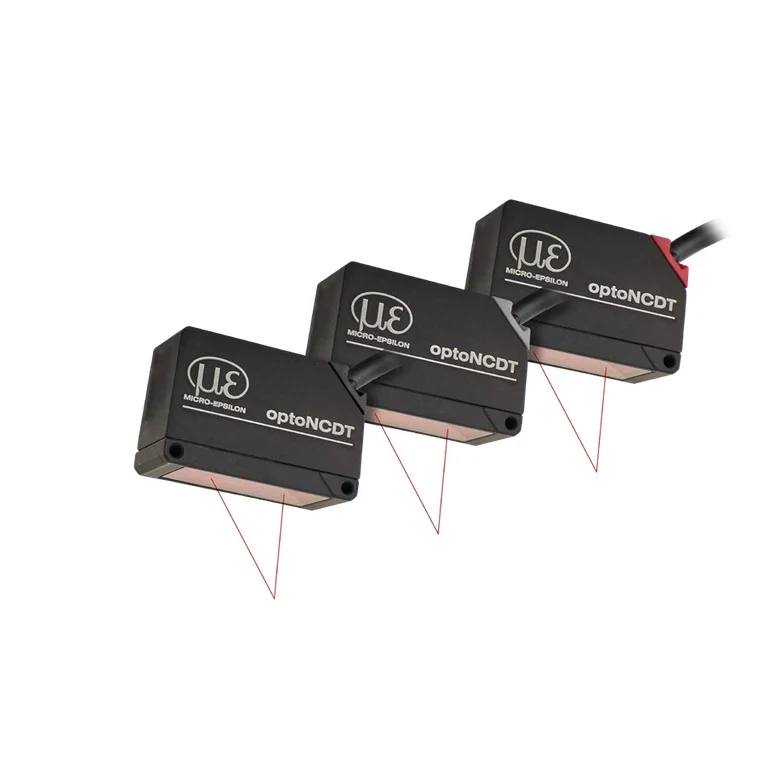
ILD1220-10
From the optoNCDT 1220 series
optoNCDT 1220: sensors and measurement devices by Micro-Epsilon for laser triangulation.
Product categories
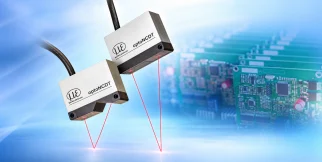 Laser triangulation
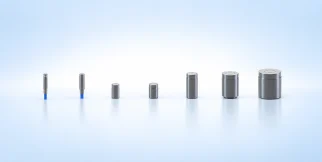 Capacitive
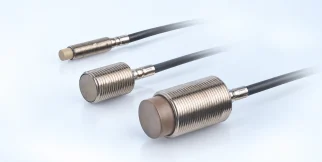 Inductive (eddy current)
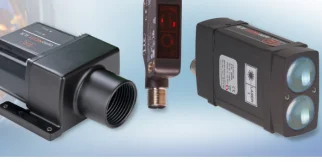 Laser time-of-flight (TOF)
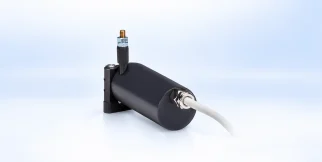 Draw-wire sensors
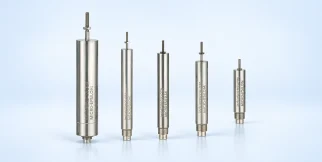 LVDT
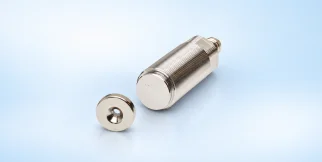 Magnetic
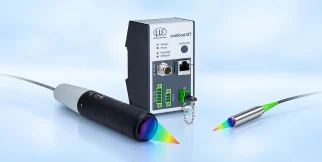 Confocal chromatic
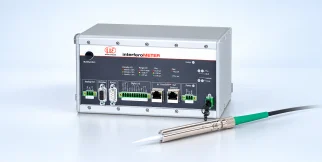 Interferometers
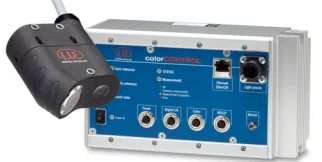 Colour & gloss measurement
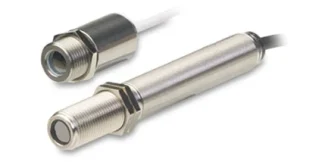 Temperature sensors
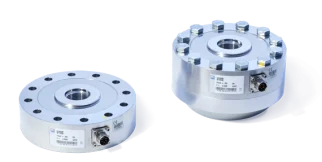 Force
 Weight
 Torque
 Noise & sound
 Pressure sensors
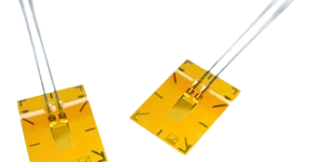 Strain
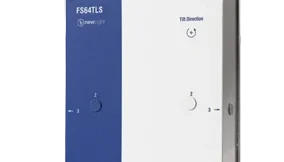 Angle
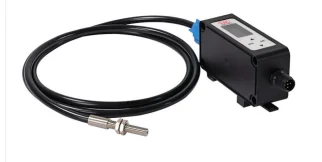 Light intensity & surface quality
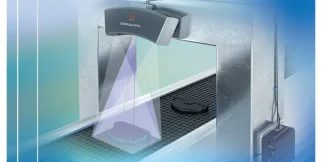 3D sensors
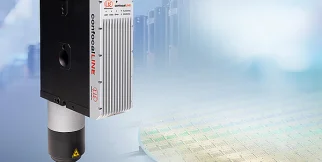 Confocal line scanners
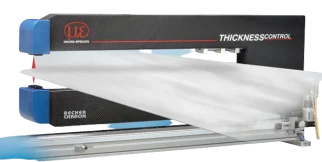 Thickness measurement
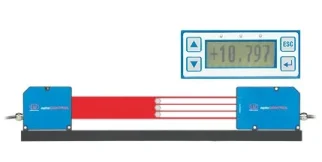 Optical micrometers
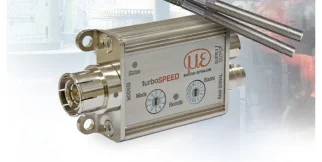 Rotational speed
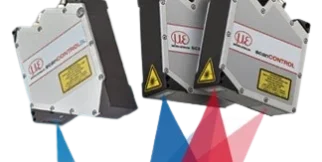 Laser scanners (2D/3D profile sensors)
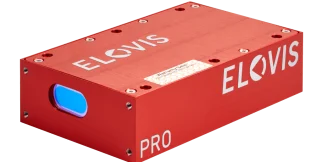 Length measurement
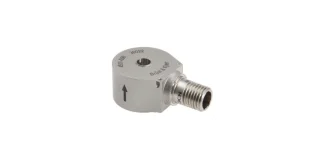 Vibration and acceleration sensors
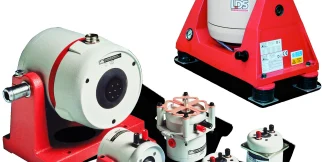 Shakers (vibration exciters)
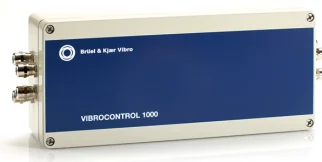 Vibration controllers
 Vibration calibrators
 Software
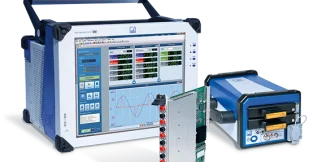 Data acquisition
 Accessories
 Micro-Epsilon
Sensors and measuring systems from Germany
 Schenck RoTec
Balancing machines and diagnostic systems
 Qlar
Qlar (formerly Schenck Process) – weighing, feeding and flow measurement for bulk materials
 Optocraft
Measuring systems for optics and lasers
 Brüel & Kjær Vibro
Vibration monitoring for rotating equipment
 Elovis
Non-contact systems for length and speed measurement
 HBK
Load cells, strain gauges and data acquisition
 HORIBA
Analytical instruments, emissions and flow control
Solutions
Product categories
Distance & displacement sensors
Laser triangulation
Capacitive
Inductive (eddy current)
Laser time-of-flight (TOF)
Draw-wire sensors
LVDT
Magnetic
Confocal chromatic
Interferometers
Sensors
Colour & gloss measurement
Temperature sensors
Force
Weight
Torque
Noise & sound
Pressure sensors
Strain
Angle
Light intensity & surface quality
Measurement & 3D systems
3D sensors
Confocal line scanners
Thickness measurement
Optical micrometers
Rotational speed
Laser scanners (2D/3D profile sensors)
Length measurement
Process industry machines & systems
View all products in this categoryBalancing systems
View all products in this categoryAutomotive test systems
View all products in this categoryData acquisition & software
View all products in this categoryVibration
Vibration and acceleration sensors
Shakers (vibration exciters)
Vibration controllers
Vibration calibrators
Software
Data acquisition
Accessories
Noise & sound measurement – electroacoustics
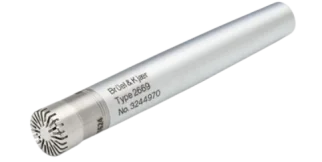 Microphones
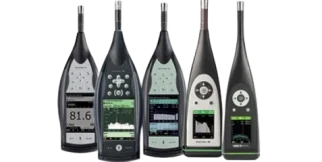 Sound level meters
 Ear & body simulators
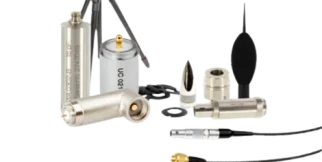 Sound measurement accessories
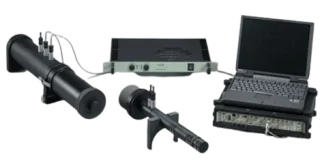 Sound measurement kits
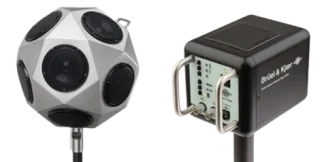 Loudspeakers & amplifiers
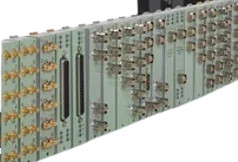 Data acquisition
Industrial electronics
View all products in this categoryMeasurement system components and accessories
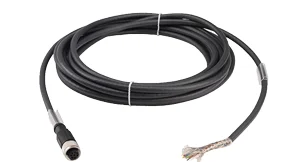 Measurement and connection cables
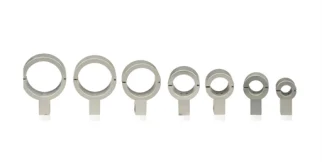 Mounting and mechanical accessories
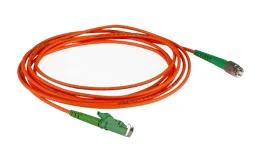 Optical fibers
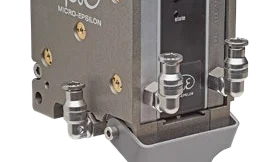 Protective housings and accessories
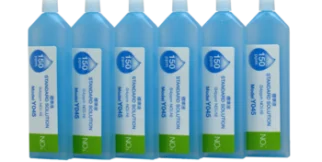 Calibration accessories
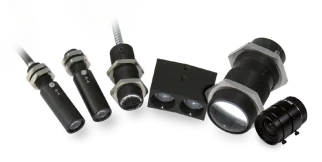 Lenses and optical accessories
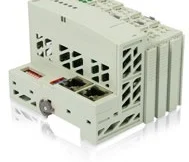 Complementary electronic components
Manufacturers
Solutions
By industry
By measurement
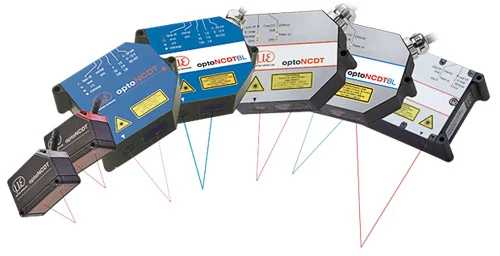
Distance & displacement sensors
Explore Micro-Epsilon optoNCDT laser triangulation sensors. Compare range, linearity, repeatability and measurement rate for non-contact distance measurement.
123 matching models
From the optoNCDT 1220 series
optoNCDT 1220: sensors and measurement devices by Micro-Epsilon for laser triangulation.
From the optoNCDT 1220 series
optoNCDT 1220: sensors and measurement devices by Micro-Epsilon for laser triangulation.
From the optoNCDT 1220 series
optoNCDT 1220: sensors and measurement devices by Micro-Epsilon for laser triangulation.
From the optoNCDT 1220 series
optoNCDT 1220: sensors and measurement devices by Micro-Epsilon for laser triangulation.
From the optoNCDT 1220 series
optoNCDT 1220: sensors and measurement devices by Micro-Epsilon for laser triangulation.
From the optoNCDT 1220 series
optoNCDT 1220: sensors and measurement devices by Micro-Epsilon for laser triangulation.
From the optoNCDT 1220 series
optoNCDT 1220: sensors and measurement devices by Micro-Epsilon for laser triangulation.
From the optoNCDT 1220 series
optoNCDT 1220: sensors and measurement devices by Micro-Epsilon for laser triangulation.
From the optoNCDT 1220 series
optoNCDT 1220: sensors and measurement devices by Micro-Epsilon for laser triangulation.
From the optoNCDT 1220 series
optoNCDT 1220: sensors and measurement devices by Micro-Epsilon for laser triangulation.
From the optoNCDT 1220 series
optoNCDT 1220: sensors and measurement devices by Micro-Epsilon for laser triangulation.
From the optoNCDT 1220 series
optoNCDT 1220: sensors and measurement devices by Micro-Epsilon for laser triangulation.
Certified quality management, calibration certificates and calibration services at manufacturers’ facilities.



Answers to the most common questions about our products and services
Measuring range is the difference between the end and start of the measuring interval. A working window 20–30 mm from the sensor has a net span of 10 mm. Both span and sensor-to-target position must fit the application.
Spot dimensions affect the ability to measure small features. Read X and Y together at the same position in the measuring range. A mid-range spot specification does not establish the spot size throughout the range.
No. Repeatability describes repeated-measurement scatter; linearity describes deviation from the reference curve over the span. Compare each requirement with its corresponding manufacturer metric.
Not always. The optoNCDT 2300 maximum may reduce its window, while 1420 Class 1 has a different rate limit. Select span, variant and rate together.
The cited optoNCDT sensors have integrated measuring controllers. Communication may need an adapter, while multiple-sensor calculations may need a processing unit. Select these different roles separately.
On supporting models, such as optoNCDT 1420, configure the region of interest, peak selection and averaging to focus on the required signal. Validate the settings on the actual target; they do not replace sensor selection and are not built into every model.
Tell us what you need to measure and an engineer will get back to you.