
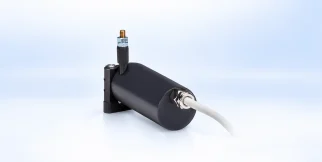
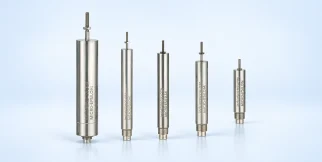
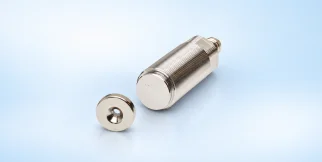
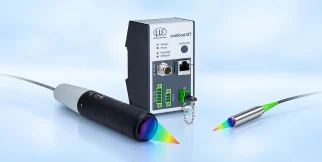
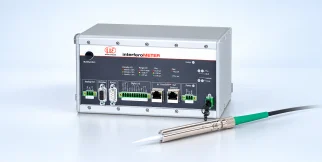
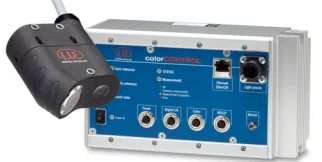
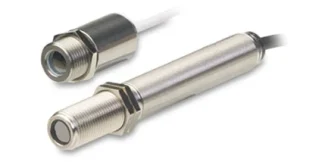
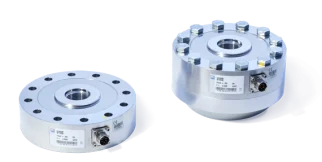




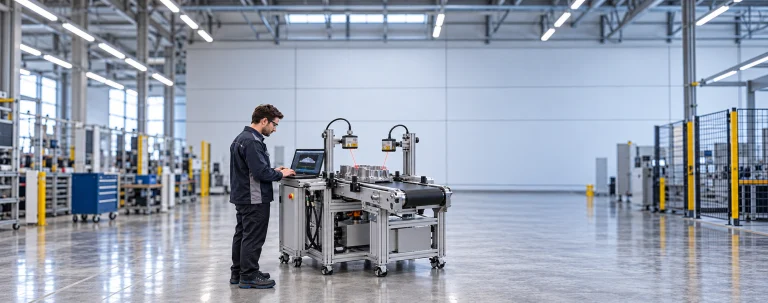









Torque models
236 matching models
-
-
-
-
-
-
-
-
-
-
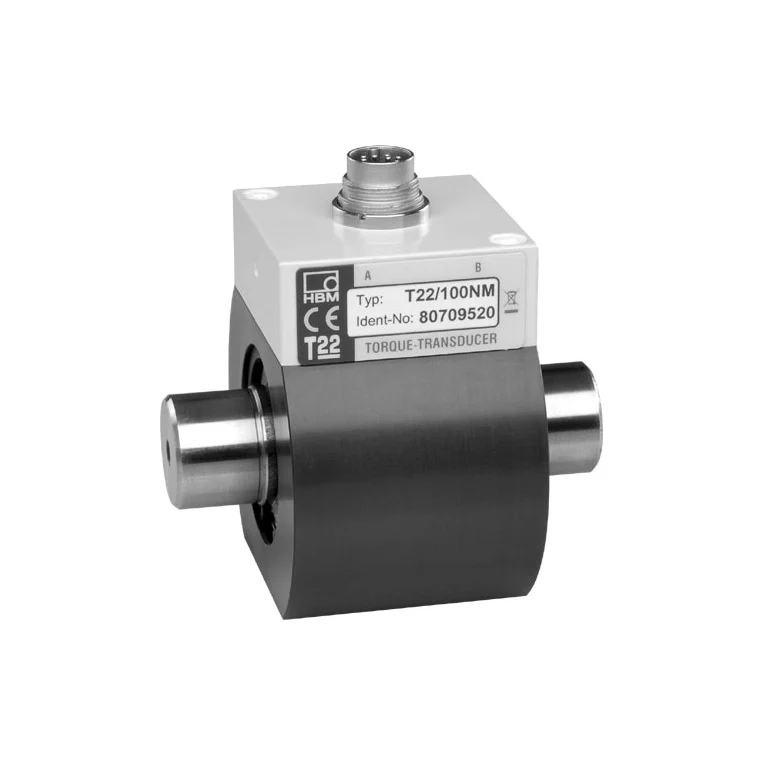
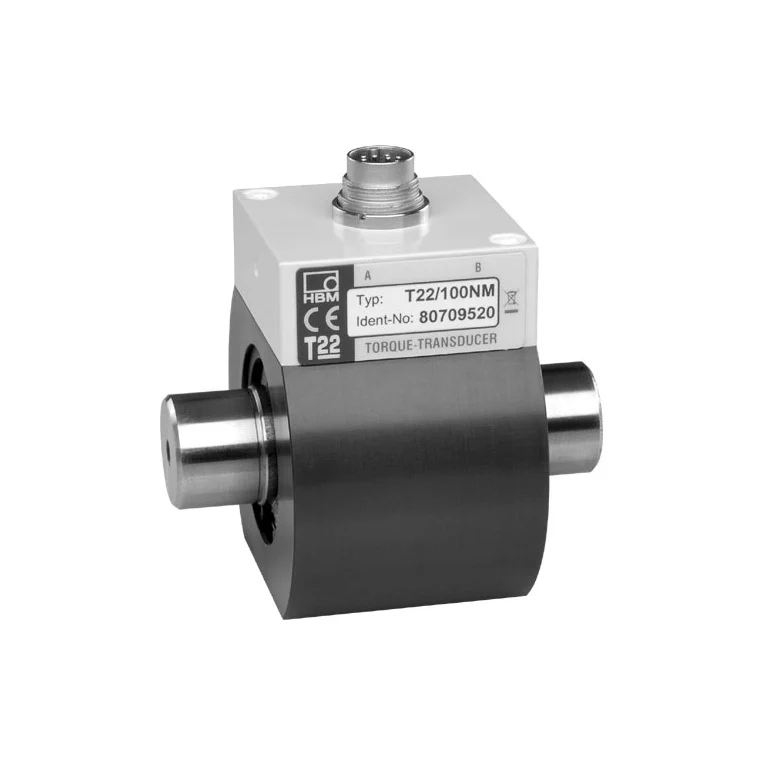
- Torque range
- -0.5–0.5 Nm
-
- Torque range
- -100–100 Nm
-
- Torque range
- -10–10 Nm
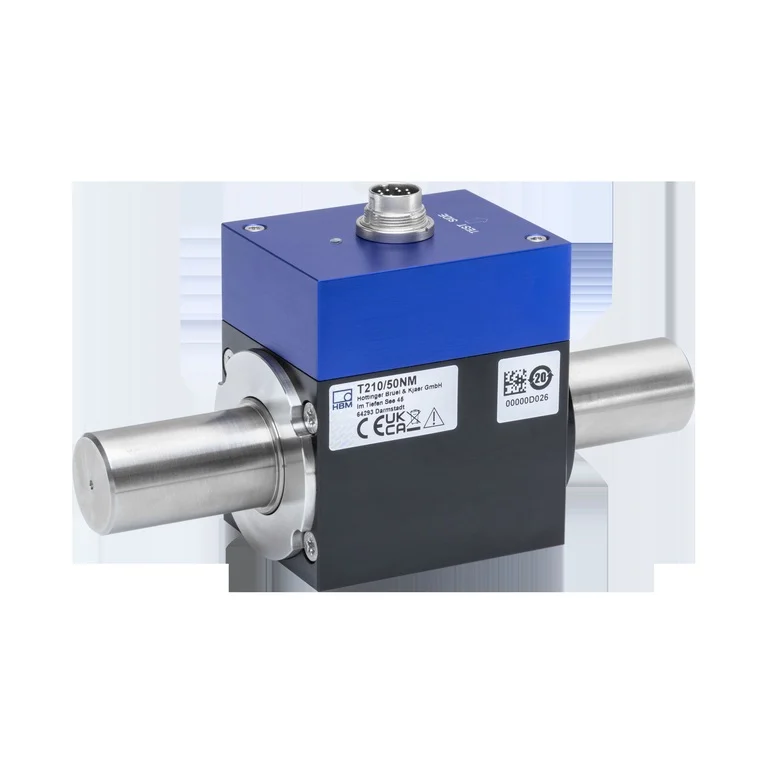
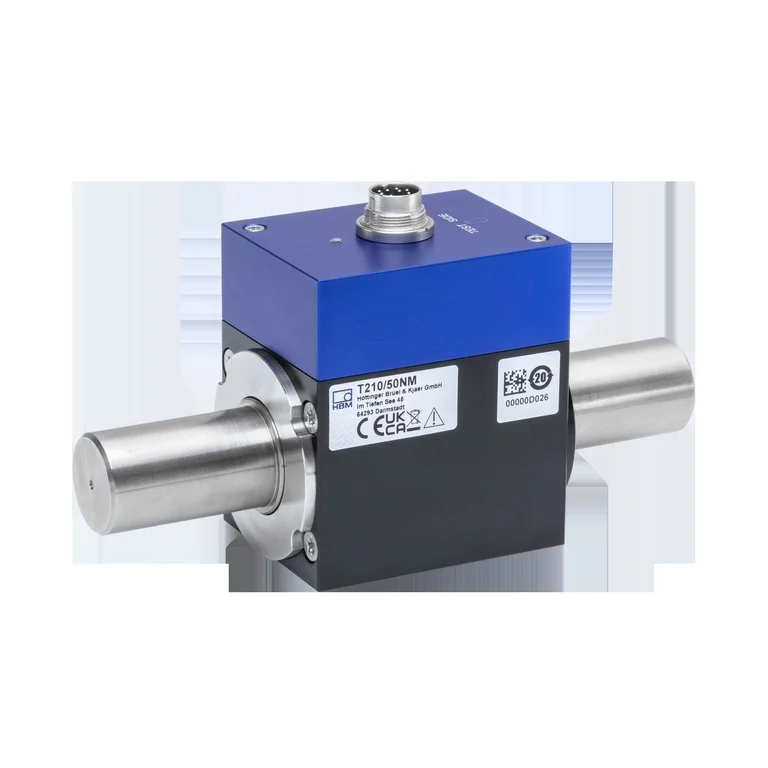
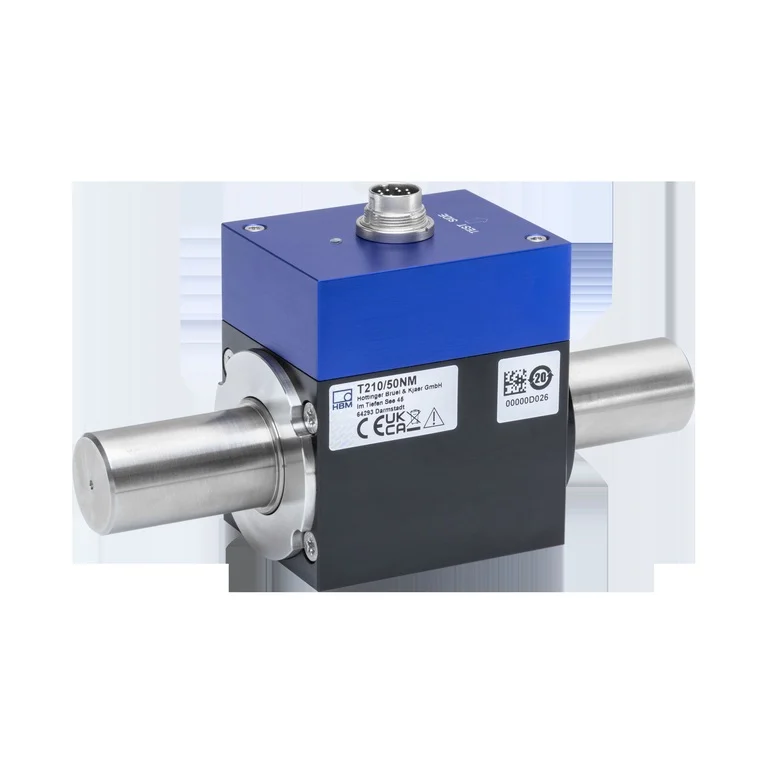
Technology overview
Products and components for torque.
Quality and certification
Certified quality management, calibration certificates and calibration services at manufacturers’ facilities.
- Every instrument is supplied with a calibration certificate.
- Advanced calibration services at manufacturers’ facilities abroad, coordinated and supported by Elina.
- The quality management system is certified to ISO 9001:2015. Certificate I31417 is valid until 7 April 2028.
9001:2015
The industries we serve
-

Semiconductors and electronics
-
Aerospace
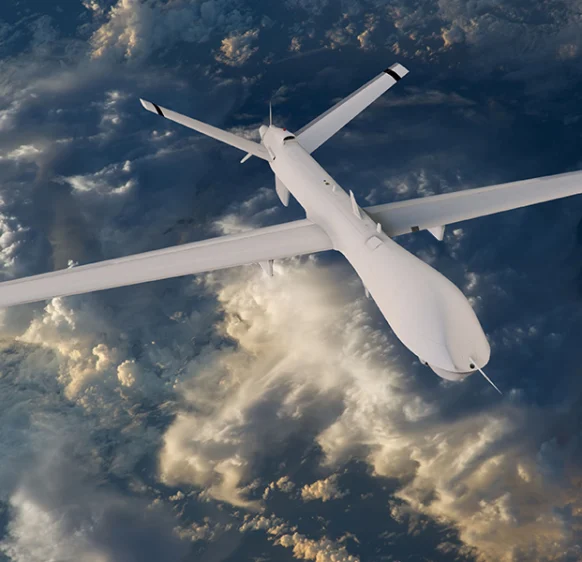
- Aircraft door-lock position detection
- Airlines & Aerospace Our balancing machines and moment weighing scales for aerospace drives ensure maximum precision, ease of use, and modular flexibility delivering reliability and performance without compromise contributing to your economic success.
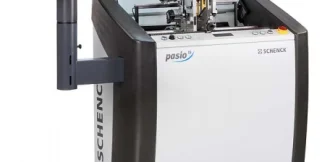
- Automatic balancing machines Automatic balancing machines from Schenck are advanced solutions for precise balancing of rotating components in automated production processes. We offer systems and stations for balancing crankshafts, wheels and tires, turbochargers, electric armatures, drives, axle drive units, torque converters, drive shafts, disc-shaped rotors, as well as fans. Our systems increase productivity, ensure consistent quality, and are tailored to the needs of the automotive, energy, and industrial sectors.
-
Medical industry
-
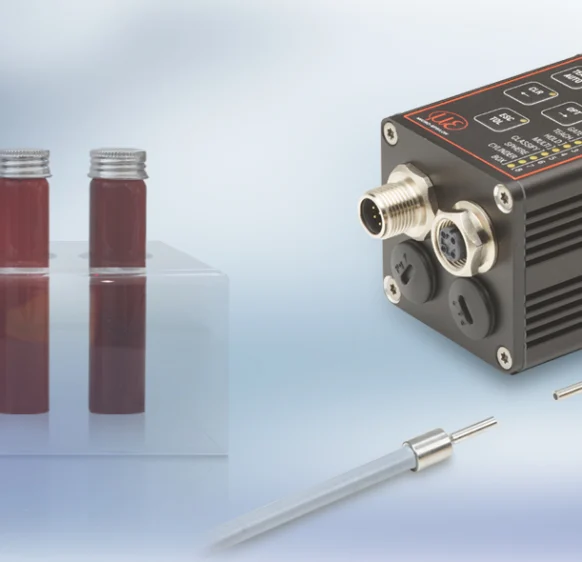
Environment
-
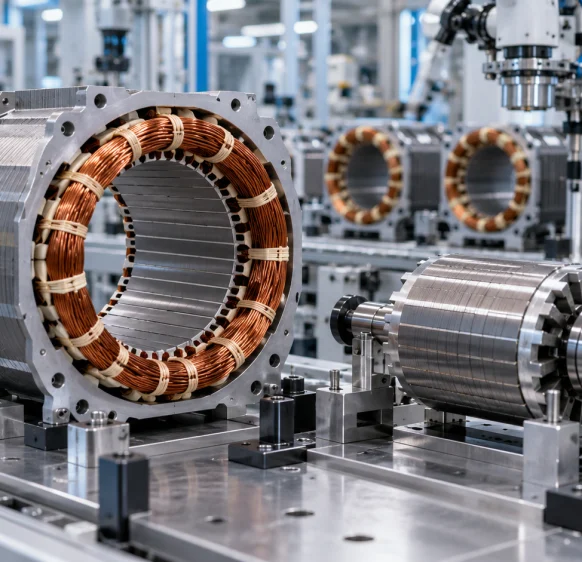
Electric motor manufacturing
-
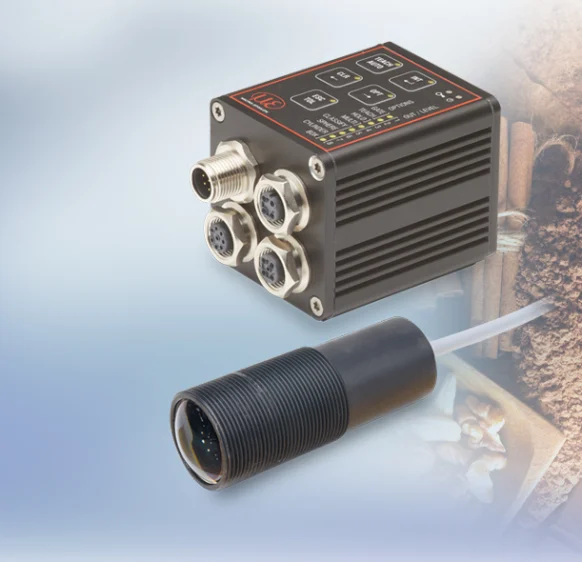
Food industry
-

Automotive industry
- Airlines & Aerospace Our balancing machines and moment weighing scales for aerospace drives ensure maximum precision, ease of use, and modular flexibility delivering reliability and performance without compromise contributing to your economic success.
- Automatic balancing machines Automatic balancing machines from Schenck are advanced solutions for precise balancing of rotating components in automated production processes. We offer systems and stations for balancing crankshafts, wheels and tires, turbochargers, electric armatures, drives, axle drive units, torque converters, drive shafts, disc-shaped rotors, as well as fans. Our systems increase productivity, ensure consistent quality, and are tailored to the needs of the automotive, energy, and industrial sectors.
- Axle Drives With our balancing machines for front and rear axle transmissions, the measured unbalance is corrected by drilling into the drive flanges of the transmissions (welding optional). We support you with our interdisciplinary expertise in the production of front and rear axle transmissions from the initial idea to the design stage through to series production.
-
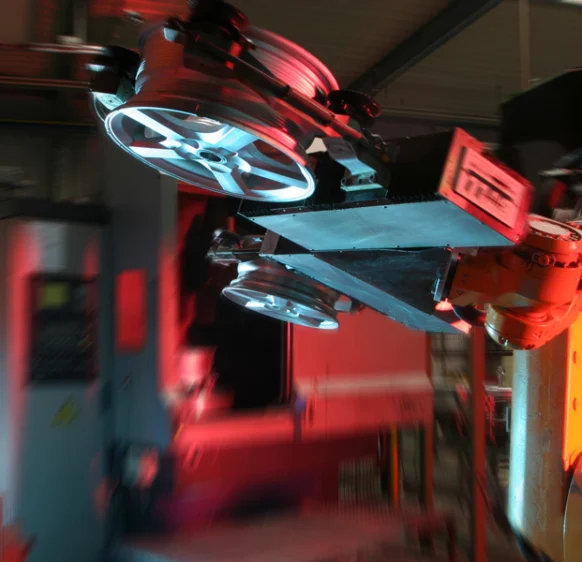
Industrial automation
-
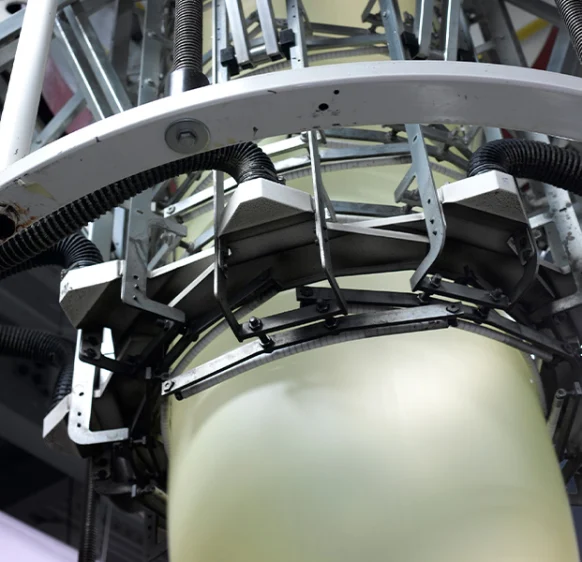
Plastics
-
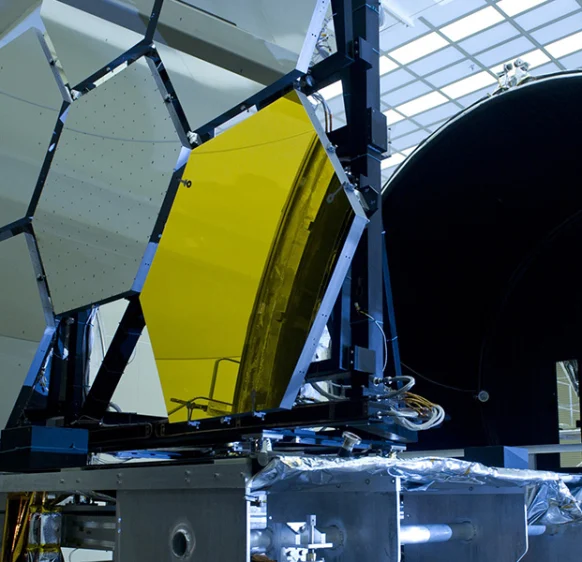
Optics
-
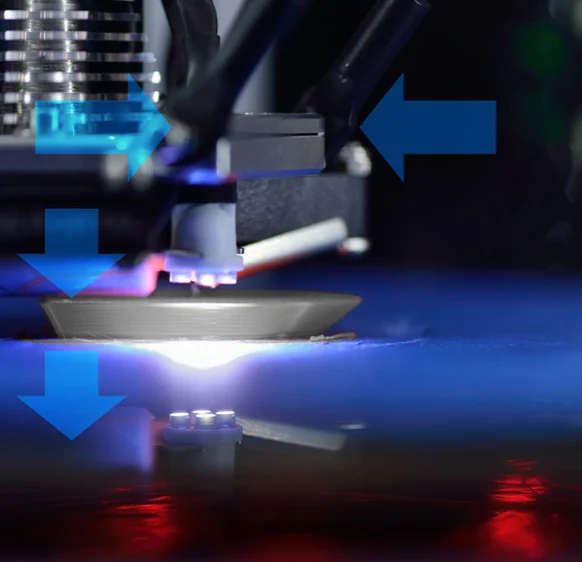
3D printing
-
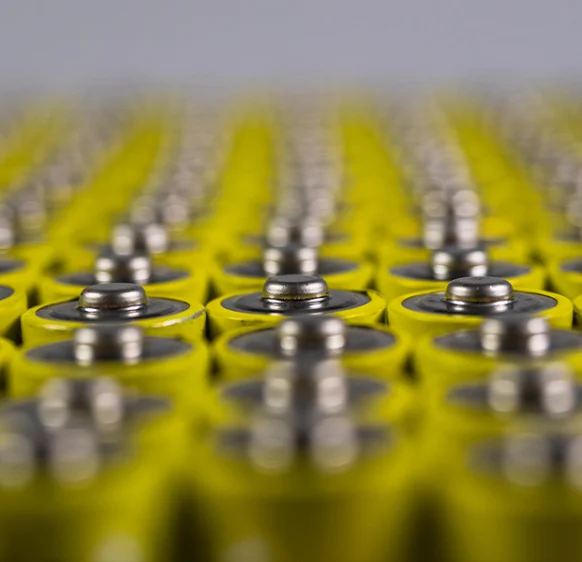
Battery manufacturing
Frequently asked questions
Answers to the most common questions about our products and services
Specify nominal torque, maximum rotational speed, required accuracy and operating temperature. Also check dimensions, mechanical connections and electrical output. A transducer that covers the torque range must still suit the speed and installation of the system.
Torque produces a small twist of the measuring body. Strain gauges measure the deformation, and the signal is converted into torque using the transducer characteristics and calibration. A rotating shaft transducer also transfers energy and signals between its rotor and stationary part, according to the model design.
For a shaft installation, align the transducer shaft ends with the drive and driven shafts. Select support and connections using the model mounting instructions. The floating installation described for some transducers is more suitable for lower speeds and is not a default for every transducer.
Check the mechanical connection types on the transducer and machine, shaft diameters and available installation space. Options include positive-locking and friction-fit connections, such as bellows or disk couplings. Verify the particular transducer and coupling instructions rather than selecting by series name alone.
Match the readout to the model output, for example a frequency or voltage signal. Some applications need a display, while others need recording or control integration. Mechanical compatibility does not establish electrical input compatibility with the acquisition system.
No. Dynamic measurement also requires consideration of measurement-chain frequency response, critical speeds and extraneous loads. Static accuracy data alone does not describe the rotating system behaviour. Speed or angle measurement is a separate option available on some models.
Contact us
Tell us what you need to measure and an engineer will get back to you.
Send us a message
- Address 29 Hametzuda St., Azur Industrial Zone Azur 5800173, Israel · POB 11475
- Phone 03-5590277
- Email sales@elinatech.com
- Opening hours Sun–Thu, 08:30–18:00