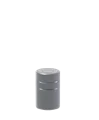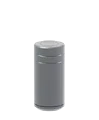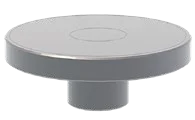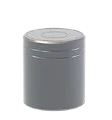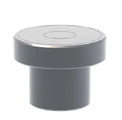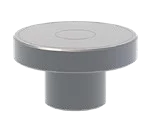








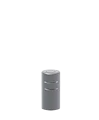
- Range
- 0.125 mm
- Linearity
- 0.125 µm
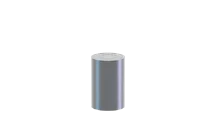
CS-0,25/C
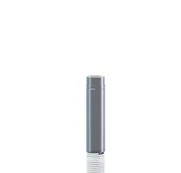
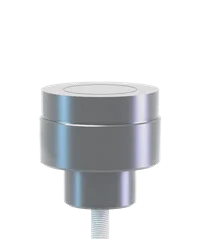
From the capaNCDT CS-x series
capaNCDT CS-x: sensors and measurement devices by Micro-Epsilon for capacitive.
Product categories
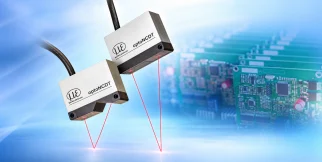 Laser triangulation
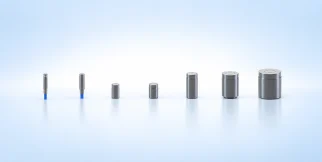 Capacitive
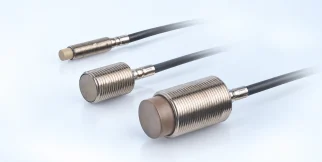 Inductive (eddy current)
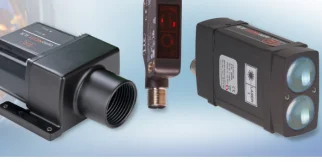 Laser time-of-flight (TOF)
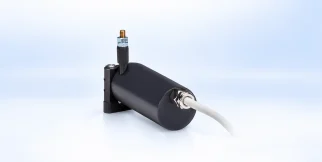 Draw-wire sensors
 LVDT
 Magnetic
 Confocal chromatic
 Interferometers
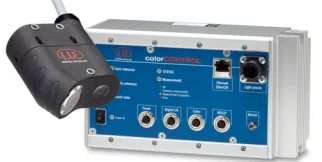 Colour & gloss measurement
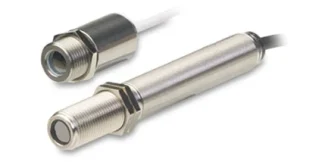 Temperature sensors
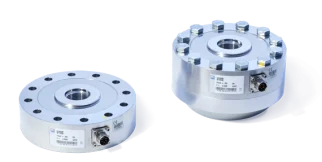 Force
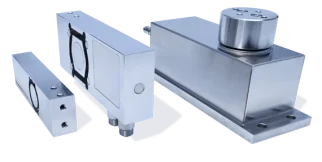 Weight
 Torque
 Noise & sound
 Pressure sensors
 Strain
 Angle
 Light intensity & surface quality
 3D sensors
 Confocal line scanners
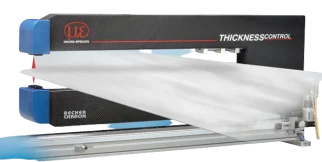 Thickness measurement
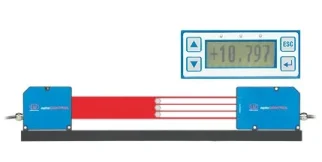 Optical micrometers
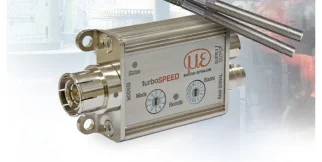 Rotational speed
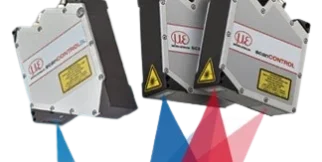 Laser scanners (2D/3D profile sensors)
 Length measurement
 Vibration and acceleration sensors
 Shakers (vibration exciters)
 Vibration controllers
 Vibration calibrators
 Software
 Data acquisition
 Accessories
 Micro-Epsilon
Sensors and measuring systems from Germany
 Schenck RoTec
Balancing machines and diagnostic systems
 Qlar
Qlar (formerly Schenck Process) – weighing, feeding and flow measurement for bulk materials
 Optocraft
Measuring systems for optics and lasers
 Brüel & Kjær Vibro
Vibration monitoring for rotating equipment
 Elovis
Non-contact systems for length and speed measurement
 HBK
Load cells, strain gauges and data acquisition
 HORIBA
Analytical instruments, emissions and flow control
Solutions
Product categories
Distance & displacement sensors
Laser triangulation
Capacitive
Inductive (eddy current)
Laser time-of-flight (TOF)
Draw-wire sensors
LVDT
Magnetic
Confocal chromatic
Interferometers
Sensors
Colour & gloss measurement
Temperature sensors
Force
Weight
Torque
Noise & sound
Pressure sensors
Strain
Angle
Light intensity & surface quality
Measurement & 3D systems
3D sensors
Confocal line scanners
Thickness measurement
Optical micrometers
Rotational speed
Laser scanners (2D/3D profile sensors)
Length measurement
Process industry machines & systems
View all products in this categoryBalancing systems
View all products in this categoryAutomotive test systems
View all products in this categoryData acquisition & software
View all products in this categoryVibration
Vibration and acceleration sensors
Shakers (vibration exciters)
Vibration controllers
Vibration calibrators
Software
Data acquisition
Accessories
Noise & sound measurement – electroacoustics
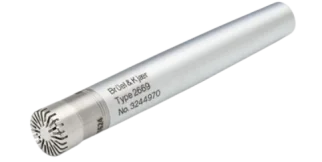 Microphones
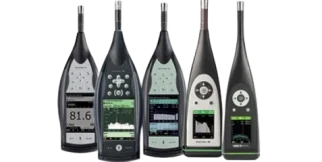 Sound level meters
 Ear & body simulators
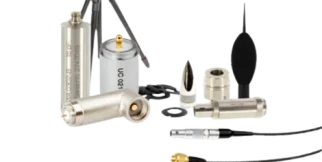 Sound measurement accessories
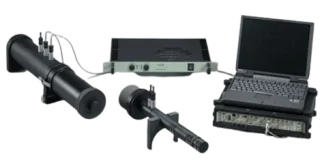 Sound measurement kits
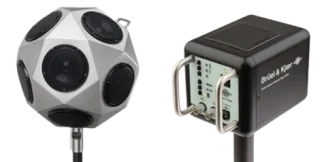 Loudspeakers & amplifiers
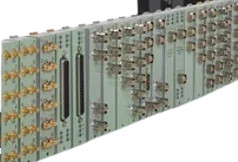 Data acquisition
Industrial electronics
View all products in this categoryMeasurement system components and accessories
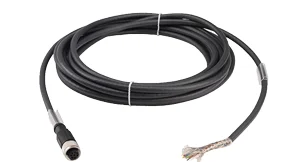 Measurement and connection cables
 Mounting and mechanical accessories
 Optical fibers
 Protective housings and accessories
 Calibration accessories
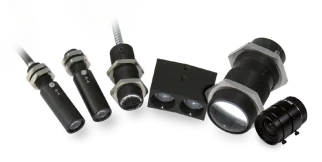 Lenses and optical accessories
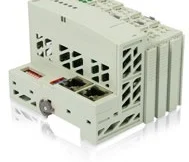 Complementary electronic components
Manufacturers
Solutions
By industry
By measurement
Distance & displacement sensors
Explore Micro-Epsilon capaNCDT capacitive displacement sensors. Select a sensor head, cable and controller for the required range, linearity and measurement rate.
60 matching models
From the capaNCDT CS-x series
capaNCDT CS-x: sensors and measurement devices by Micro-Epsilon for capacitive.
From the capaNCDT CS-x series
capaNCDT CS-x: sensors and measurement devices by Micro-Epsilon for capacitive.
From the capaNCDT CS-x series
capaNCDT CS-x: sensors and measurement devices by Micro-Epsilon for capacitive.
From the capaNCDT CS-x series
capaNCDT CS-x: sensors and measurement devices by Micro-Epsilon for capacitive.
From the capaNCDT CS-x series
capaNCDT CS-x: sensors and measurement devices by Micro-Epsilon for capacitive.
From the capaNCDT CS-x series
capaNCDT CS-x: sensors and measurement devices by Micro-Epsilon for capacitive.
From the capaNCDT CS-x series
capaNCDT CS-x: sensors and measurement devices by Micro-Epsilon for capacitive.
From the capaNCDT CSx series
capaNCDT CSx: sensors and measurement devices by Micro-Epsilon for capacitive.
From the capaNCDT CSx series
capaNCDT CSx: sensors and measurement devices by Micro-Epsilon for capacitive.
From the capaNCDT CSx series
capaNCDT CSx: sensors and measurement devices by Micro-Epsilon for capacitive.
From the capaNCDT CSE/HT series
capaNCDT CSE/HT: sensors and measurement devices by Micro-Epsilon for capacitive.
From the capaNCDT CSE/HT series
capaNCDT CSE/HT: sensors and measurement devices by Micro-Epsilon for capacitive.
Certified quality management, calibration certificates and calibration services at manufacturers’ facilities.



Answers to the most common questions about our products and services
In conventional capacitive distance measurement, the conductive target and sensor form a capacitor. Conditions in the measuring gap, particularly its dielectric properties, must remain stable. Insulating targets require a suitable electronic arrangement and measurement method.
No. It also requires a compatible cable and controller. A capaNCDT 6200 system uses a DT62xx basic module and DL62xx measuring modules selected for its channels and communication interface. Other controller families have their own architecture.
No. The capaNCDT catalogue separates recommended target size, active area and housing diameter. Select for target geometry and exact model.
No. The catalogue separates −3 dB frequency response from digital measurement rate. An analog system also requires suitable DAQ and acquisition conditions.
The manufacturer adds head and controller linearity contributions. Also check cable, range and specification conditions instead of inferring accuracy from resolution alone.
The shielded triaxial capaNCDT design permits compact multi-sensor arrangements. Controller channel count, target geometry and installation still need to be matched; proximity alone does not give every system the same accuracy.
Tell us what you need to measure and an engineer will get back to you.