




- Range
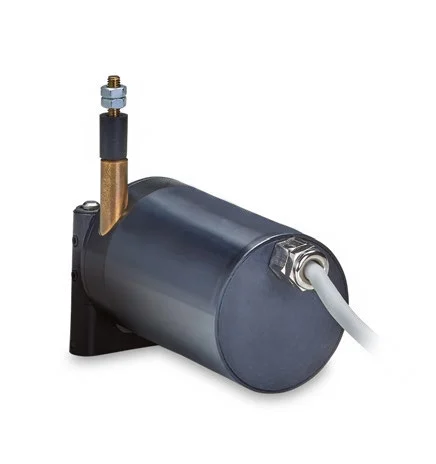
- 100 mm
- Linearity
- 500 µm
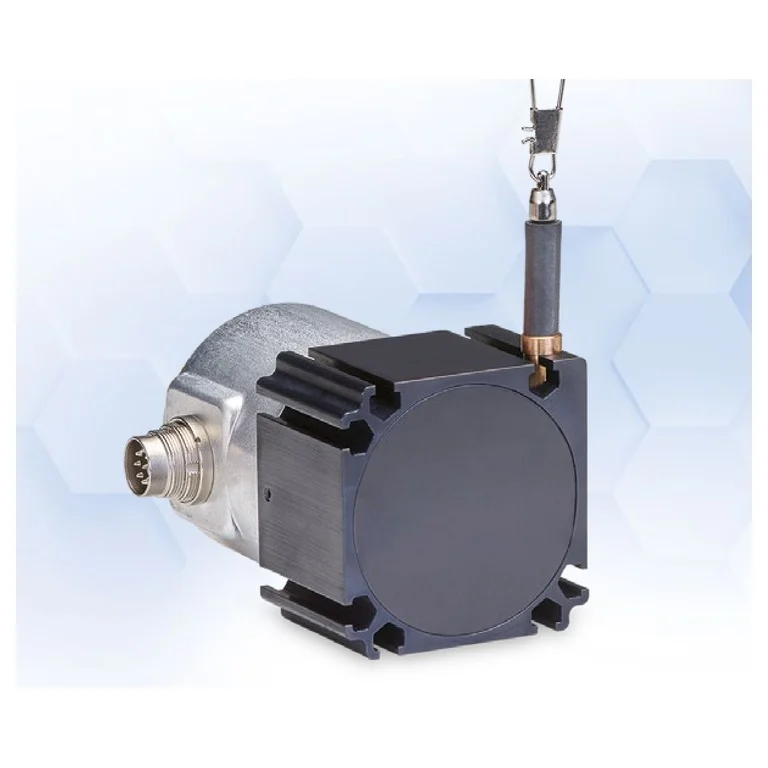
WDS-100-MP-C-P
From the wireSENSOR MP series
wireSENSOR MP draw-wire sensors; range and output are selected per model.
Product categories
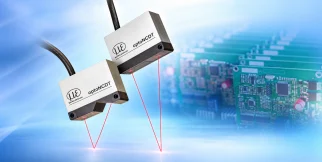 Laser triangulation
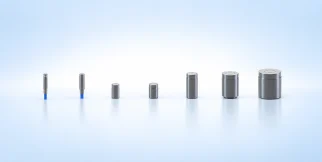 Capacitive
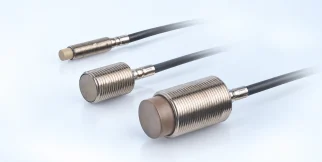 Inductive (eddy current)
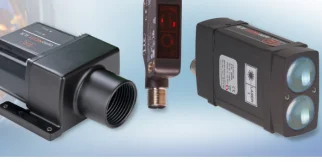 Laser time-of-flight (TOF)
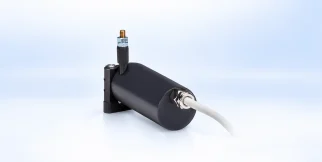 Draw-wire sensors
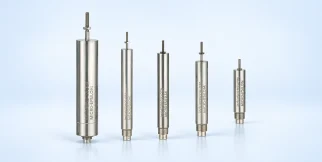 LVDT
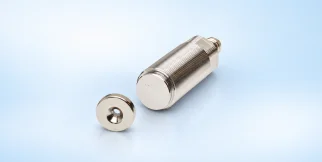 Magnetic
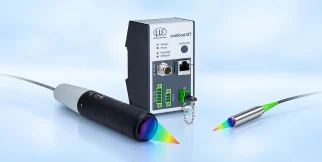 Confocal chromatic
 Interferometers
 Colour & gloss measurement
 Temperature sensors
 Force
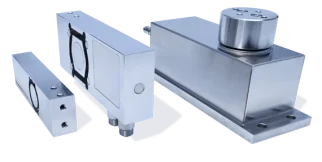 Weight
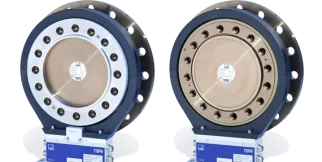 Torque
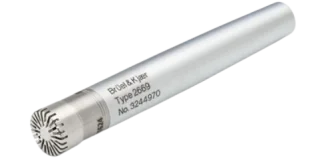 Noise & sound
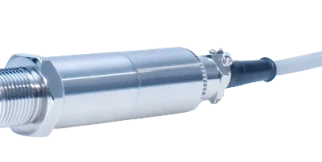 Pressure sensors
 Strain
 Angle
 Light intensity & surface quality
 3D sensors
 Confocal line scanners
 Thickness measurement
 Optical micrometers
 Rotational speed
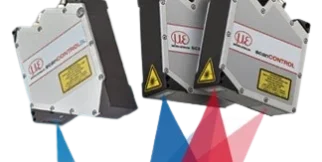 Laser scanners (2D/3D profile sensors)
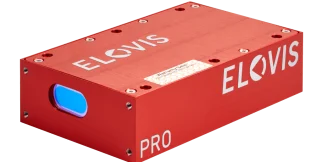 Length measurement
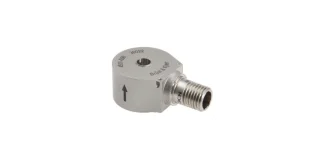 Vibration and acceleration sensors
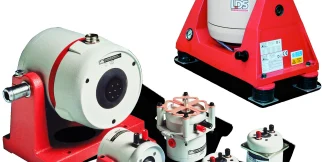 Shakers (vibration exciters)
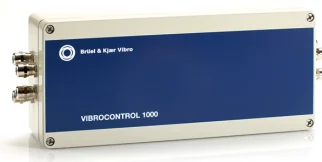 Vibration controllers
 Vibration calibrators
 Software
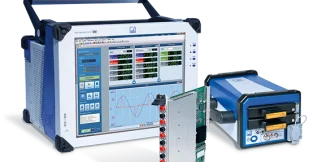 Data acquisition
 Accessories
 Micro-Epsilon
Sensors and measuring systems from Germany
 Schenck RoTec
Balancing machines and diagnostic systems
 Qlar
Qlar (formerly Schenck Process) – weighing, feeding and flow measurement for bulk materials
 Optocraft
Measuring systems for optics and lasers
 Brüel & Kjær Vibro
Vibration monitoring for rotating equipment
 Elovis
Non-contact systems for length and speed measurement
 HBK
Load cells, strain gauges and data acquisition
 HORIBA
Analytical instruments, emissions and flow control
Solutions
Product categories
Distance & displacement sensors
Laser triangulation
Capacitive
Inductive (eddy current)
Laser time-of-flight (TOF)
Draw-wire sensors
LVDT
Magnetic
Confocal chromatic
Interferometers
Sensors
Colour & gloss measurement
Temperature sensors
Force
Weight
Torque
Noise & sound
Pressure sensors
Strain
Angle
Light intensity & surface quality
Measurement & 3D systems
3D sensors
Confocal line scanners
Thickness measurement
Optical micrometers
Rotational speed
Laser scanners (2D/3D profile sensors)
Length measurement
Process industry machines & systems
View all products in this categoryBalancing systems
View all products in this categoryAutomotive test systems
View all products in this categoryData acquisition & software
View all products in this categoryVibration
Vibration and acceleration sensors
Shakers (vibration exciters)
Vibration controllers
Vibration calibrators
Software
Data acquisition
Accessories
Noise & sound measurement – electroacoustics
 Microphones
 Sound level meters
 Ear & body simulators
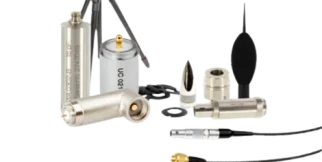 Sound measurement accessories
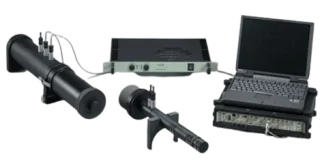 Sound measurement kits
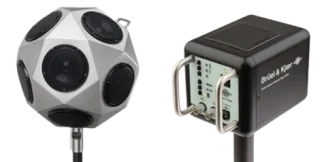 Loudspeakers & amplifiers
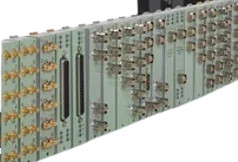 Data acquisition
Industrial electronics
View all products in this categoryMeasurement system components and accessories
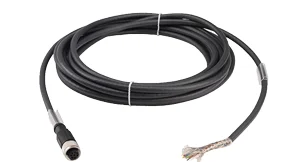 Measurement and connection cables
 Mounting and mechanical accessories
 Optical fibers
 Protective housings and accessories
 Calibration accessories
 Lenses and optical accessories
 Complementary electronic components
Manufacturers
Solutions
By industry
By measurement


Distance & displacement sensors
Explore draw-wire displacement sensors. Compare measuring ranges, output options and model specifications to select a sensor for linear-position measurement.
216 matching models
From the wireSENSOR MP series
wireSENSOR MP draw-wire sensors; range and output are selected per model.
From the wireSENSOR MPW series
wireSENSOR MPW draw-wire sensors; range and output are selected per model.
From the wireSENSOR P60 series
wireSENSOR P60: sensors and measurement devices by Micro-Epsilon for distance & displacement sensors.
From the wireSENSOR P60 series
wireSENSOR P60: sensors and measurement devices by Micro-Epsilon for distance & displacement sensors.
From the wireSENSOR P60 series
wireSENSOR P60: sensors and measurement devices by Micro-Epsilon for distance & displacement sensors.
From the wireSENSOR P60 series
wireSENSOR P60: sensors and measurement devices by Micro-Epsilon for distance & displacement sensors.
From the wireSENSOR P60 series
wireSENSOR P60: sensors and measurement devices by Micro-Epsilon for distance & displacement sensors.
Certified quality management, calibration certificates and calibration services at manufacturers’ facilities.
Answers to the most common questions about our products and services
No. A family can include potentiometric, voltage, current, incremental-encoder and absolute-encoder versions. Output type forms part of the model identity and controller compatibility.
A spring-loaded drum pays out and retracts the measuring wire. Linear wire movement rotates the drum, and its coupled potentiometer or encoder converts that rotation into a measurement signal. Match both travel and output.
First choose a range covering the required travel, then an output version compatible with the control-system input. For example, analog and digital-encoder P60 versions have different range availability and separate model identities.
Yes, using the documented rating for the selected model and connection. MP is rated IP65 and MPW IP67; connector-equipped K100 ratings require a mated connector. Do not replace connection conditions with a generic family rating.
Check wire extension force, retraction force, maximum wire acceleration and mounting. For example, MPM HG changes both permissible acceleration and wire forces; it is not merely a commercial suffix.
No. Guide the wire back under control rather than letting it snap back freely. Uncontrolled retraction can damage the wire and spring mechanism; follow the model installation instructions.
Tell us what you need to measure and an engineer will get back to you.