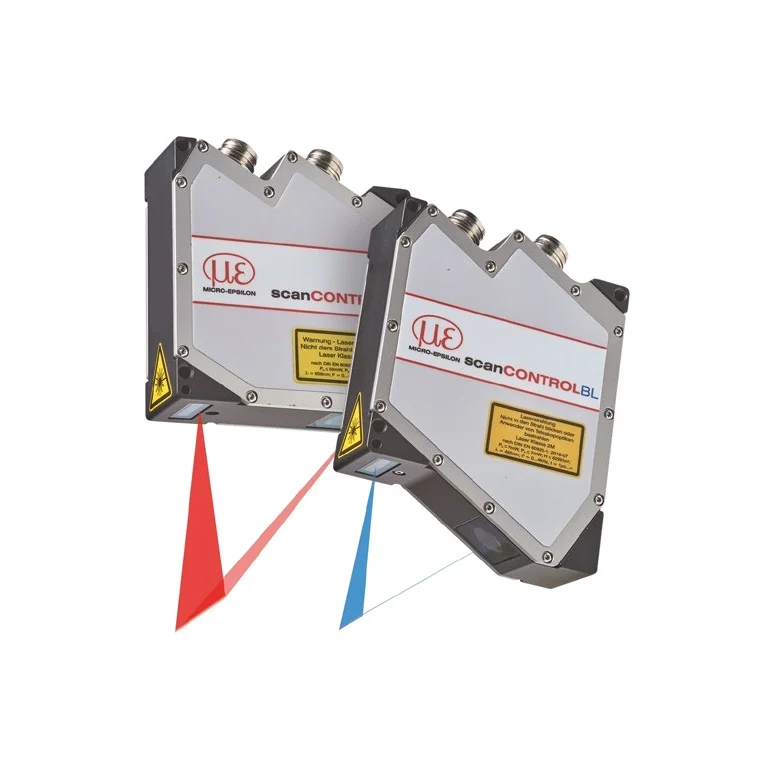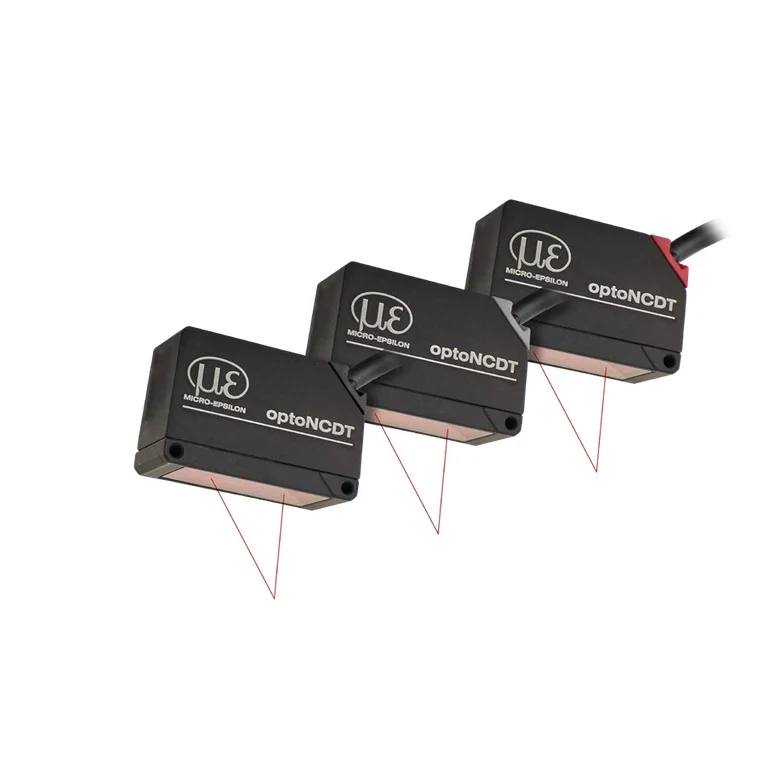
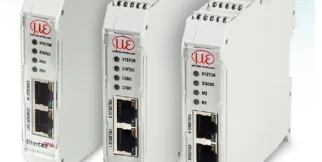






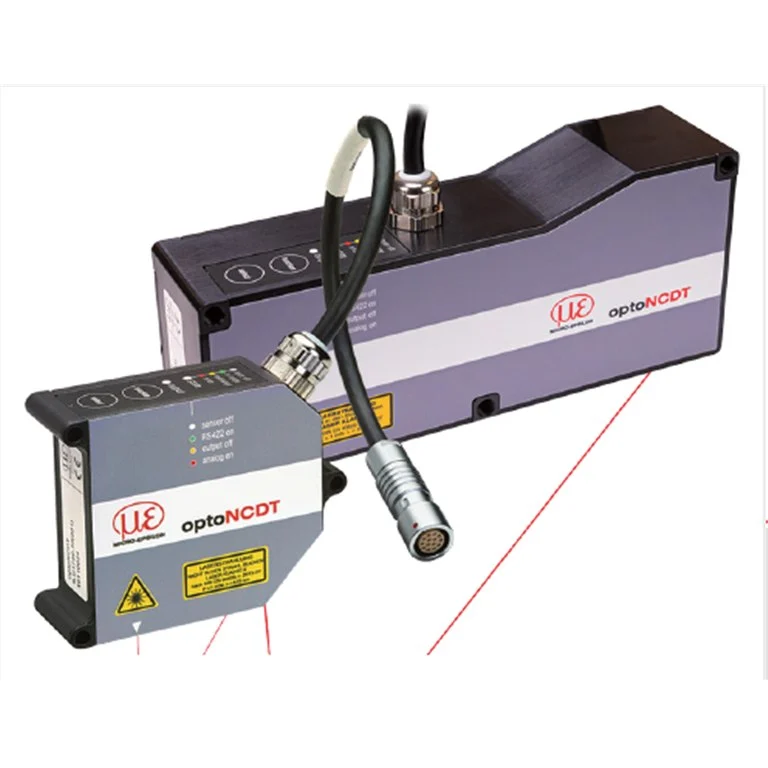
optoNCDT 1750
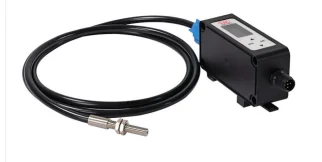
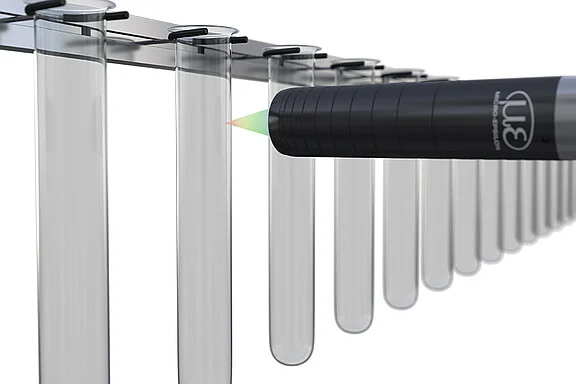
optoNCDT 1750: sensors and measurement devices by Micro-Epsilon for laser triangulation.
Product categories
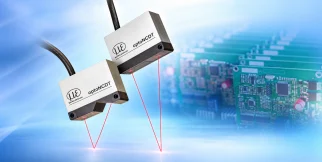 Laser triangulation
 Capacitive
 Inductive (eddy current)
 Laser time-of-flight (TOF)
 Draw-wire sensors
 LVDT
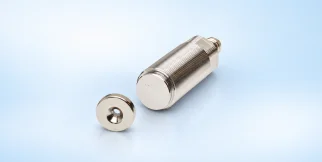 Magnetic
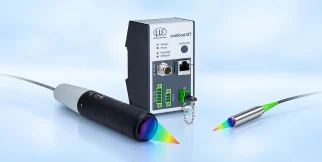 Confocal chromatic
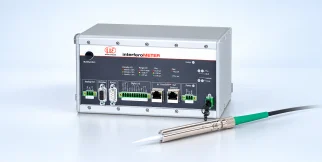 Interferometers
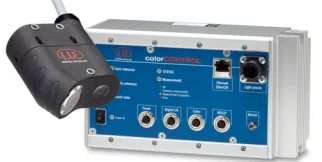 Colour & gloss measurement
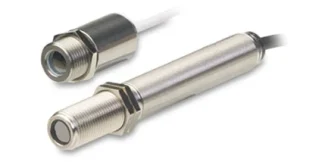 Temperature sensors
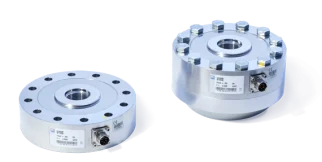 Force
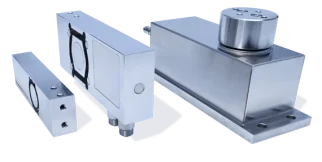 Weight
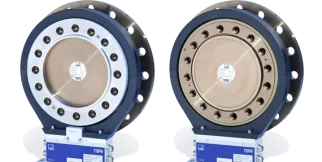 Torque
 Noise & sound
 Pressure sensors
 Strain
 Angle
 Light intensity & surface quality
 3D sensors
 Confocal line scanners
 Thickness measurement
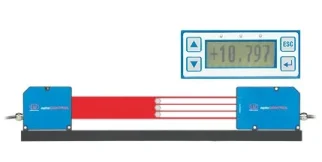 Optical micrometers
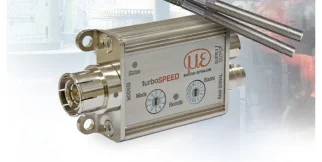 Rotational speed
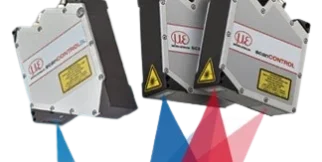 Laser scanners (2D/3D profile sensors)
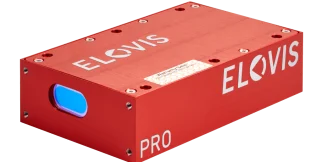 Length measurement
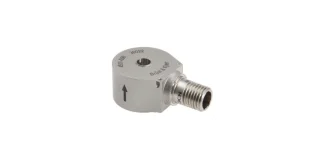 Vibration and acceleration sensors
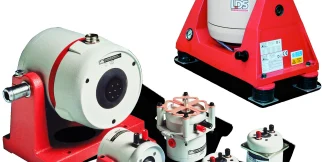 Shakers (vibration exciters)
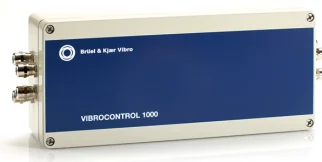 Vibration controllers
 Vibration calibrators
 Software
 Data acquisition
 Accessories
 Micro-Epsilon
Sensors and measuring systems from Germany
 Schenck RoTec
Balancing machines and diagnostic systems
 Qlar
Qlar (formerly Schenck Process) – weighing, feeding and flow measurement for bulk materials
 Optocraft
Measuring systems for optics and lasers
 Brüel & Kjær Vibro
Vibration monitoring for rotating equipment
 Elovis
Non-contact systems for length and speed measurement
 HBK
Load cells, strain gauges and data acquisition
 HORIBA
Analytical instruments, emissions and flow control
Solutions
Product categories
Distance & displacement sensors
Laser triangulation
Capacitive
Inductive (eddy current)
Laser time-of-flight (TOF)
Draw-wire sensors
LVDT
Magnetic
Confocal chromatic
Interferometers
Sensors
Colour & gloss measurement
Temperature sensors
Force
Weight
Torque
Noise & sound
Pressure sensors
Strain
Angle
Light intensity & surface quality
Measurement & 3D systems
3D sensors
Confocal line scanners
Thickness measurement
Optical micrometers
Rotational speed
Laser scanners (2D/3D profile sensors)
Length measurement
Process industry machines & systems
View all products in this categoryBalancing systems
View all products in this categoryAutomotive test systems
View all products in this categoryData acquisition & software
View all products in this categoryVibration
Vibration and acceleration sensors
Shakers (vibration exciters)
Vibration controllers
Vibration calibrators
Software
Data acquisition
Accessories
Noise & sound measurement – electroacoustics
 Microphones
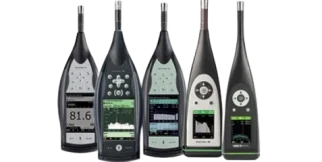 Sound level meters
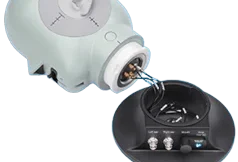 Ear & body simulators
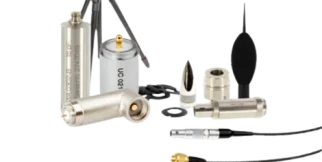 Sound measurement accessories
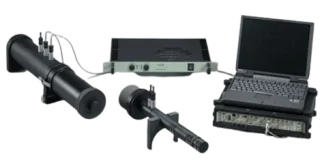 Sound measurement kits
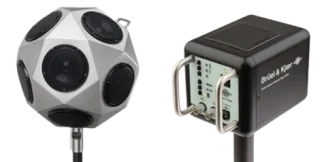 Loudspeakers & amplifiers
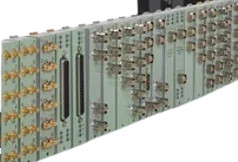 Data acquisition
Industrial electronics
View all products in this categoryMeasurement system components and accessories
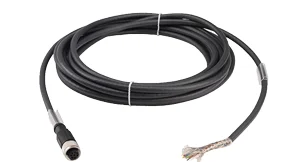 Measurement and connection cables
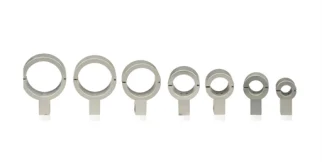 Mounting and mechanical accessories
 Optical fibers
 Protective housings and accessories
 Calibration accessories
 Lenses and optical accessories
 Complementary electronic components
Manufacturers
Solutions
By industry
By measurement
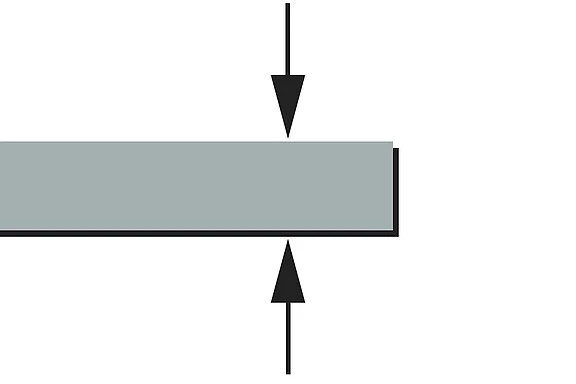
Thickness is measured either with two sensors facing each other on opposite sides of the material, or by reading both surfaces of a transparent layer with one sensor. Which method fits depends entirely on whether the material is transparent, and getting that wrong is the most common specification error in the category.
It is important to know the thickness of the plates for the manufacture of aluminium plates. The non-contact profile measuring system measures the profile of the plates using a capacitive sensor. At the same time, the width of the plate is…
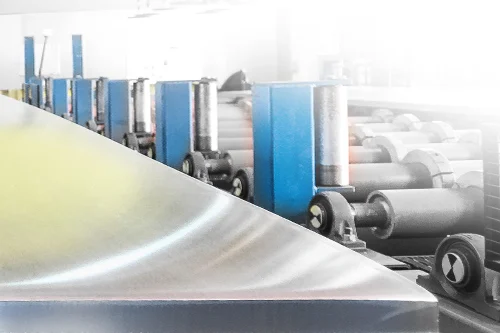
Real-time electrode thickness on the coating line.
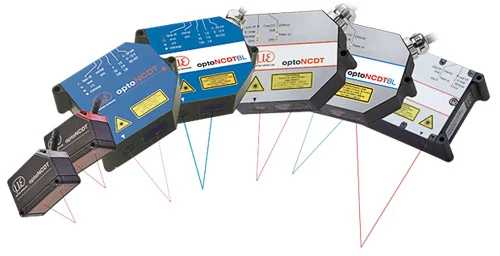
The thickness of blown films is an important aspect in terms of constant quality in blown film production. During production, strong thickness tolerances can occur. The blown film system from Micro-Epsilon measures the profile of the film…
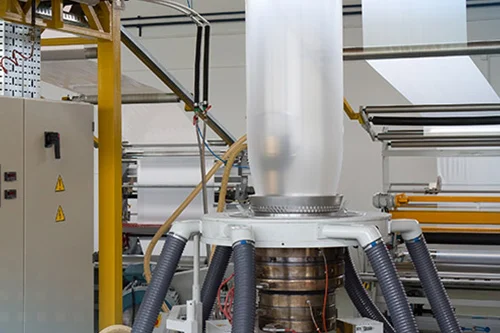
With the wall thickness and roundness measurements in star wheel inspection machines, a fast measuring rate is required in order to support the ongoing process. Micro-Epsilon’s confocal chromatic measuring systems provide a high measuring…
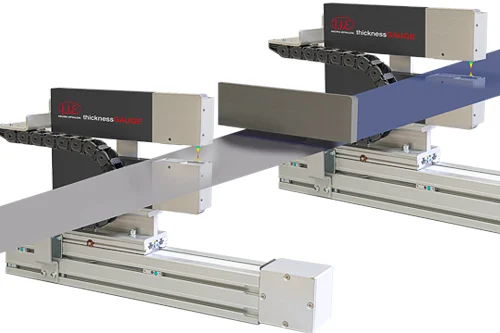
Two synchronized thicknessGAUGE systems are used for precise thickness measurement in coating processes. One system records the strip thickness before coating and one system monitors the thickness after the coating is applied. The coating…
Rolled strips in the metal industry are wound on coils for transport. For the later processing when the coils are unwound, it is important to know how much material has already been unrolled. This task is simple to solve by using an…
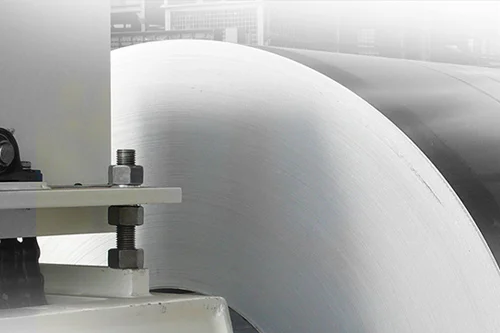
Rolled strips in the metal industry are wound on coils for transport. For the later processing when the coils are unwound, it is important to know how much material has already been unrolled. This task is simple to solve by using an…

For corrosion protection, a protective layer of zinc is applied to the metal strip. To do this, the steel strip is passed through a zinc basin, which causes a thin layer of zinc to adhere. The applied zinc is evenly distributed and smoothed…
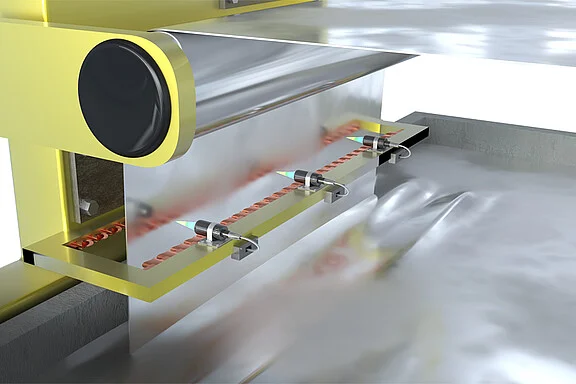
Before shaped sheets are fed into the press, laser-optical displacement sensors are used, which enable double sheet detection. Two sensors are mounted above and below the continuous sheets and provide a thickness value regardless of the…
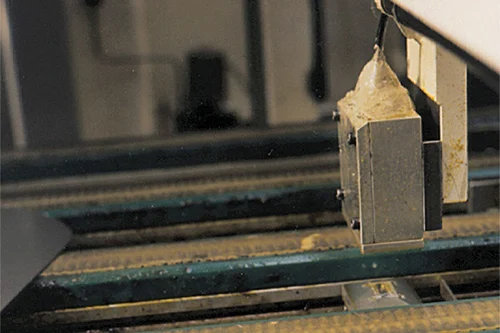
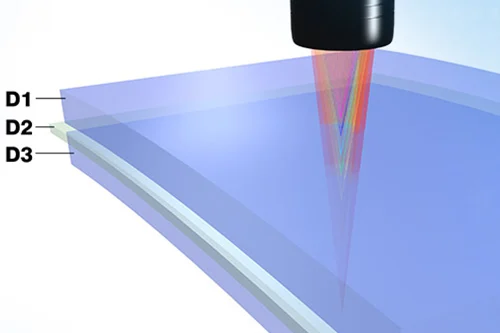
For quality control and process control during the production of safety glass, confocal chromatic displacement sensors with a multi-peak function are used. Confocal chromatic sensors from Micro-Epsilon enable thickness measurements to…
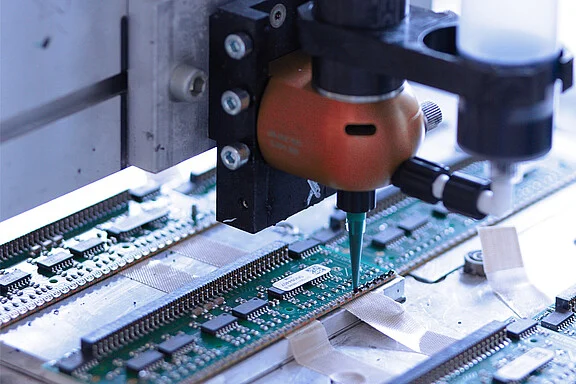
Inspect the thickness of protective glue beads applied after reflow soldering. Laser sensors inspect the glue-bead thickness at defined points.
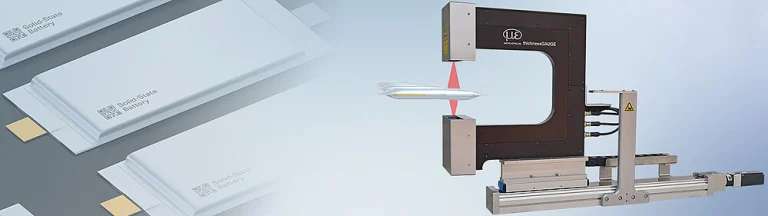
In battery cell production, precise control of welded pouch cells is crucial for their safety, performance and service life. The thicknessGAUGE 3D enables high-resolution inline inspection of these sensitive components – directly in the…
In order to avoid corrosion, continuous and error-free corrosion protection is a critical factor in the painting process. As the thickness of the applied painting on burrs can only be determined under challenging limitations, it is a…
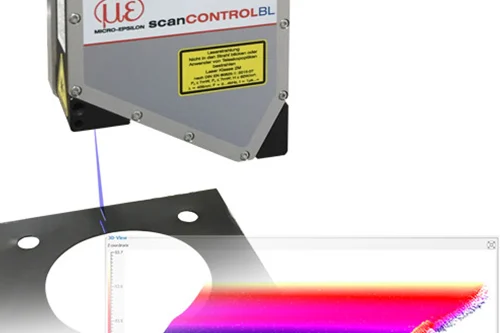
ThicknessGAUGE sensor systems are used for inline thickness measurement of strip materials. These are available with different sensor types, measuring ranges and measuring widths. This allows the thickness of various materials to be…
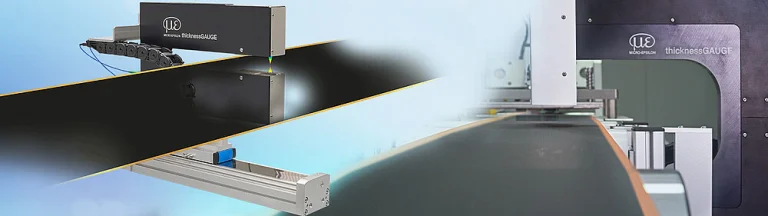
A consistently high quality of the electrode coating is crucial for the production of high-performance battery cells. OptoNCDT laser sensors are used to reliably monitor the thickness. These measure without contact and with high precision –…
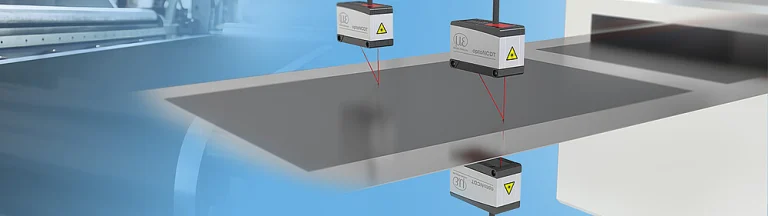
Check the amount or profile of adhesive applied to tapes, plasters and bandages. Laser measurement is used to inspect the applied adhesive layer.
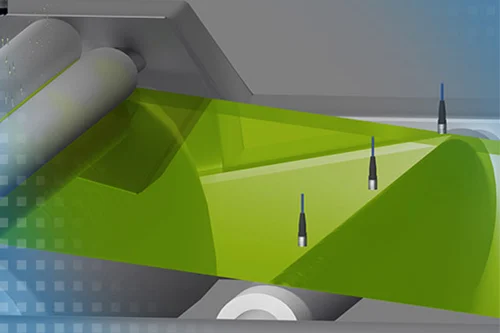
Optical micrometers from Micro-Epsilon are used to monitor the thickness of metal bars. With the X-Frame measuring system the diameter is measured continuously. Two laser micrometers measure the diameter with high resolution and measuring…
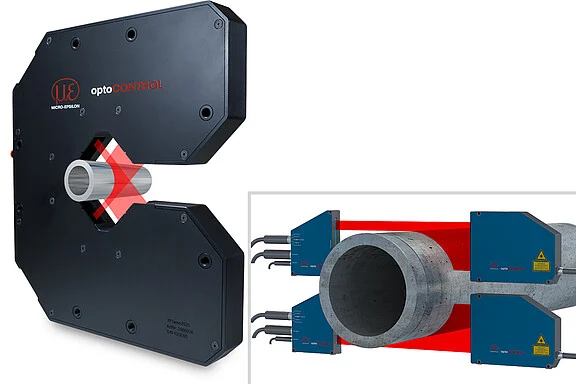
During the manufacture of veneer strips from laminated wood, the precision of the cutting disk determines the quality of the final product. High demands are placed on the veneer strips in terms of dimensional conformance. The thickness of…
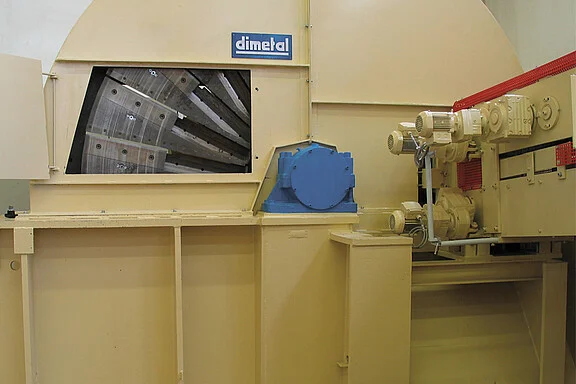
Sprayed skins for vehicle dashboards and for airbag cladding are sprayed into a heated mold using a robot-guided nozzle. For safety reasons, extremely low tolerances are required for airbags. For this reason, the thickness of the sprayed…
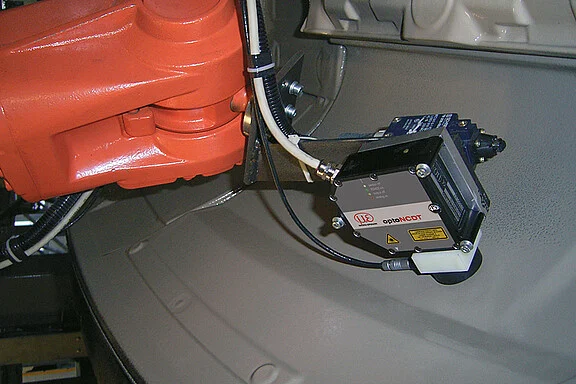
thicknessCONTROL C-frame systems are used for the precise determination of width, cambering and diameter of metal strips in shearing lines. These are equipped with three laser micrometers and detect the cambering when the strip stops. The…
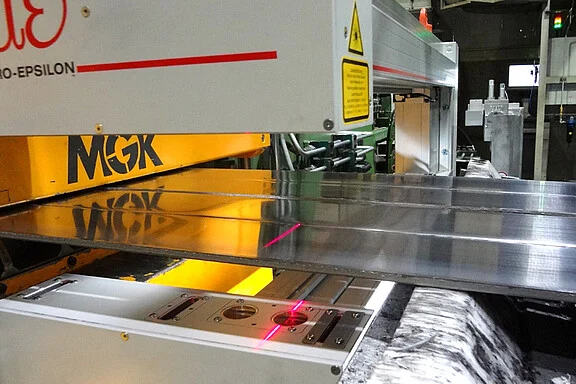
With the capaNCDT DTV, Micro-Epsilon has developed a product range that is specifically used for non-contact detection of the Disc Thickness Variation. Thickness measurements of brake discs can be carried out in test benches, in road tests…

In order to meet production tolerances, the center thickness of optical lenses such as eyeglass lenses or objectives is measured using confocal chromatic sensors. The measurement is performed from one side and can also be carried out with…
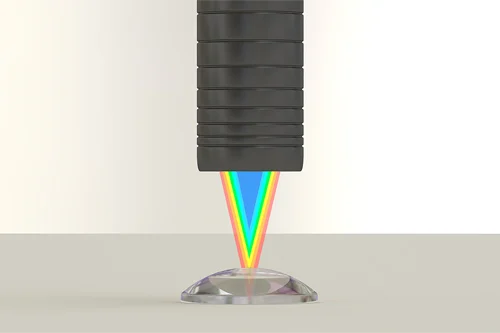
In order to meet production tolerances, the center thickness of optical lenses such as eyeglass lenses or objectives is measured using confocal chromatic sensors. The measurement is performed from one side and can also be carried out with…
Confocal chromatic sensors from Micro-Epsilon monitor the coating thickness of wet materials. Installing several sensors next to each other enables concurrent determination of the homogeneity of the coating over the complete strip width…

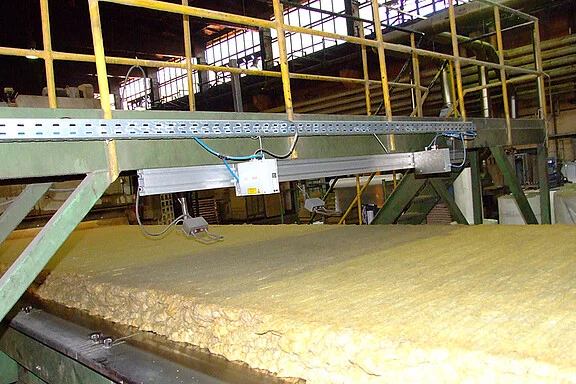
Measure mineral-wool web thickness before milling to optimize pre-thickness and reduce production waste. Two optoNCDT laser sensors measure two tracks; ILR2250 laser distance sensors are used where safety requires a larger standoff…
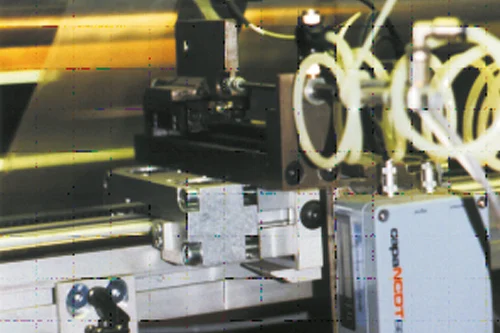
In film production inline thickness measurement guarantees constant product quality. Micro-Epsilon's KS5 combination sensor measures the thickness of films in a non-contact and thus wear free process. In film production inline thickness…
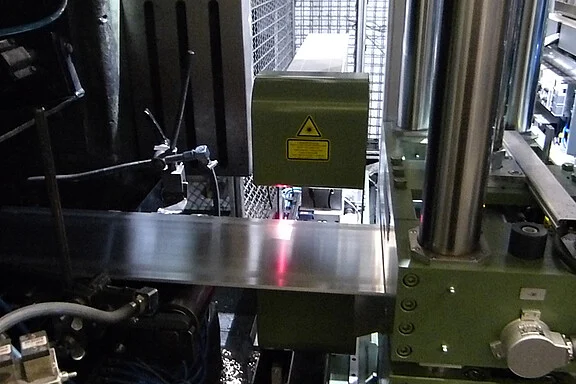
For the prompt detection of incorrect thickness of aluminum strips, optoNCDT laser triangulation sensors are used as modern alternative solution to isotopic measuring systems. At the measurement location, the sensors are mounted opposite to…
Gelatin is often used in the shell of soft capsules. For the 100% thickness measurement of the conductive gelatin layer, capacitive displacement sensors from Micro-Epsilon are used, which provide non-contact and precise thickness values…
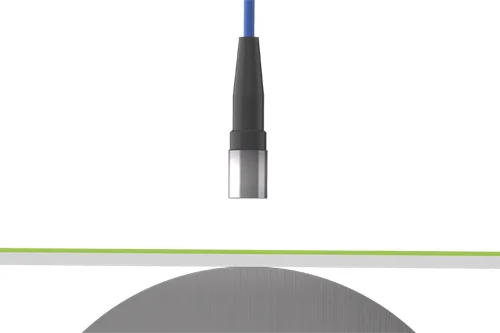
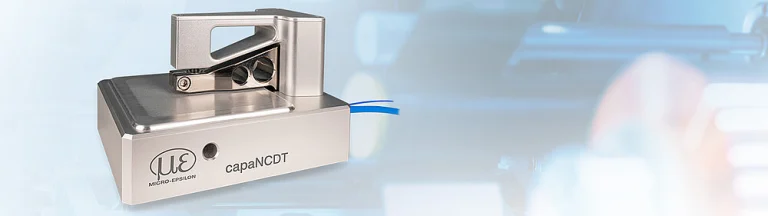
The capaNCDT TFG6220 measures the thickness of battery film with high precision and is used for quality testing in the form of offline random samples. The TFG6220 is pre-assembled ready for rapid deployment. The thickness is measured by two…
Select a thickness-measurement arrangement for process control or quality assurance. For two-sided measurement, a synchronized sensor pair on a common axis derives thickness from the difference between the two distance readings. One-sided…
In its sensor housing, the combiSENSOR combines an eddy current displacement sensor and a capacitive displacement sensor. This unique sensor concept enables one-sided thickness measurement of electrically non-conductive materials on…
In the manufacture and quality assurance of medical products, the thickness of tubes and membranes as well as the wall thickness of balloons are measured. Confocal chromatic sensors are used which measure the thickness or layers of…
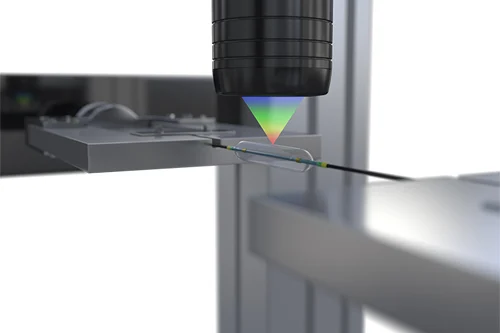
Measure coated or uncoated battery-film thickness. Opposed capacitive heads feed distance signals to a capaNCDT 6200 system that calculates thickness.
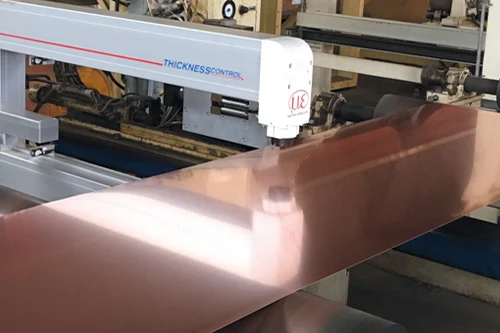
thicknessCONTROL MTS 8202 systems are used for process-reliable thickness measurement in cold rolling mills. Measurements are also possible on reflective and shiny surfaces, e.g., copper strip, coated metal and high-gloss aluminum. For…
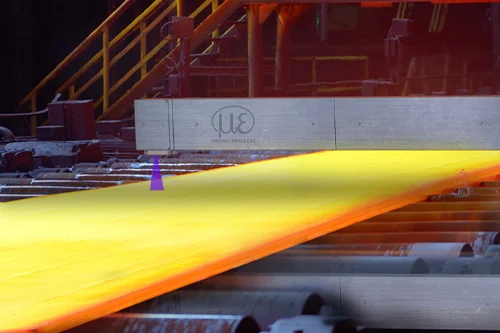
The new generation of thicknessCONTROL thickness gauges stands for exceptional performance and overcomes the challenges of one of the most difficult applications for optical thickness measurements. The systems are designed for use in hot…
For the production of display glass, glass sheets with consistent thickness are required. The production process is regulated based on the measured results. Confocal chromatic sensors from Micro-Epsilon are used to detect the thickness from…
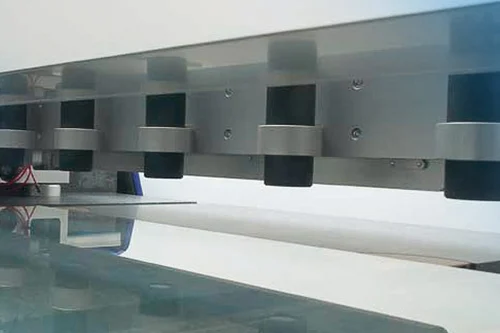
Battery films are compacted and smoothed in coating lines using calendering technology. Two adjustable rolls ensure that the material mixture is rolled to the specified thickness. The capaNCDT CSG capacitive flat sensors are used for gap…
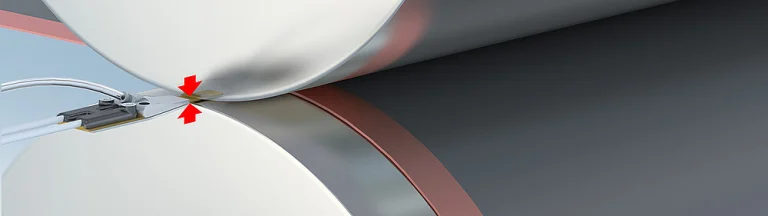
Optical micrometers from Micro-Epsilon are used to monitor the thickness of welding wires. In this respect, the X-Frame measuring system enables continuous diameter inspections. The X-Frames includes two laser micrometers that detect the…
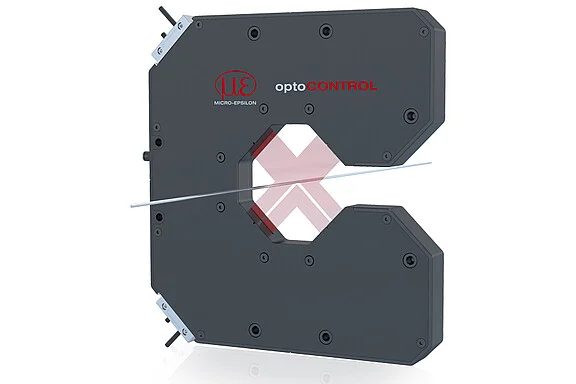
The new EURO 7 emissions standard, which includes standards for brake and tire abrasion for the first time, will apply to new vehicle registrations from the fourth quarter of 2026. In order to comply with the limit values, new brake discs…
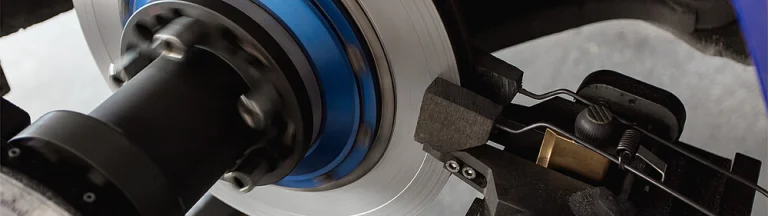
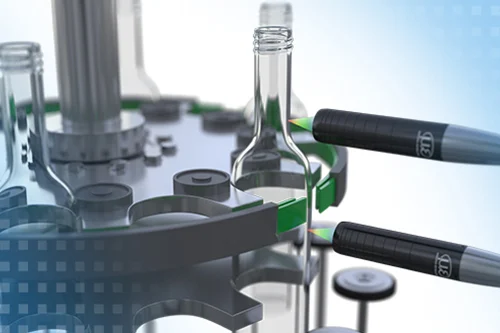
With the roundness measurement of container glass, a fast measuring rate is required in order to support the ongoing process. Confocal chromatic sensors from Micro-Epsilon are used for thickness measurements in the star wheel while…
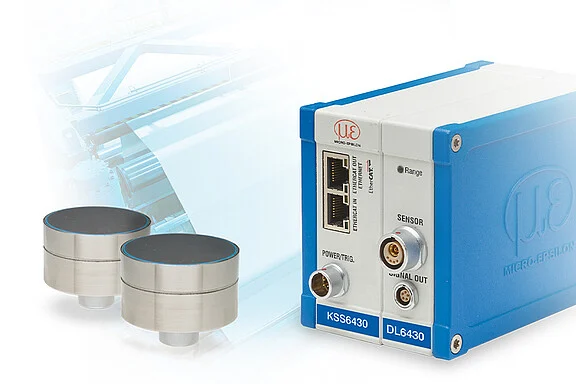
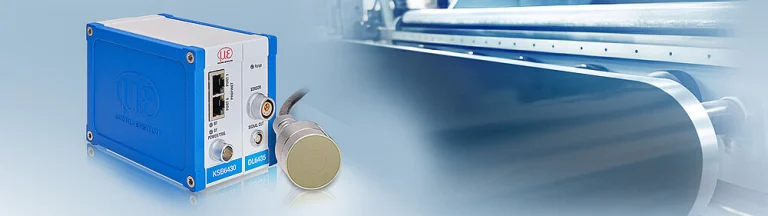
The combiSENSOR KSB6430 is specially designed for one-sided thickness measurement of electrode coatings. The sensor system detects material thicknesses from 5 µm to 3 mm with sub-micrometer accuracy. The combiSENSOR KSB6430 combines two…
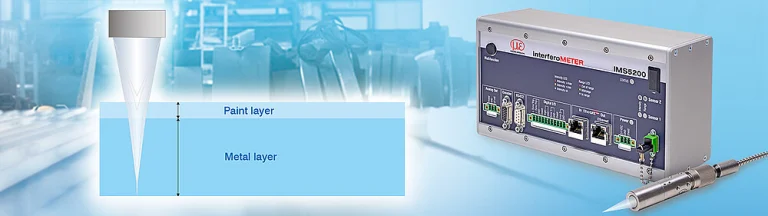
Paint thickness testing plays a key role in the metal industry to ensure the quality, functionality and durability of coated surfaces. The white light interferometers of the interferoMETER IMS5200 series measure coating thicknesses with…
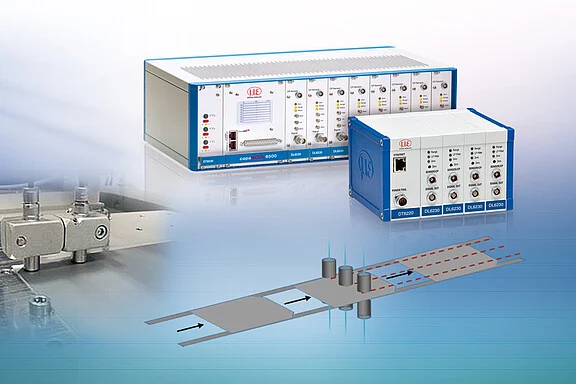
The production of solar wafers starts with the raw wafers that are sawn from the so-called ingots. These must comply with a specified thickness of about 180 µm to be processed further as a good part. The production of solar wafers starts…
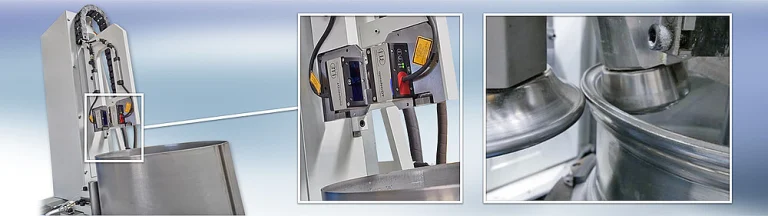
Check thickness distribution after each metal-wheel flow-forming step. Two optoNCDT 1900-10 laser sensors perform dynamic distance and position measurements; surface compensation supports changing reflections.
Rubber mats for the structure sealing must exhibit a specified thickness for durability and tear resistance. The thickness of the films is measured directly after the extrusion. The optoNCDT 1750 sensors used measure the distance to the…
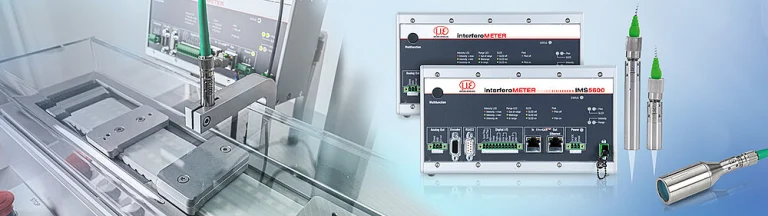
For the production of display glass, glass sheets with a homogeneous thickness profile are required. White light interferometers from Micro-Epsilon are used for high precision thickness monitoring, which determine the thickness without…
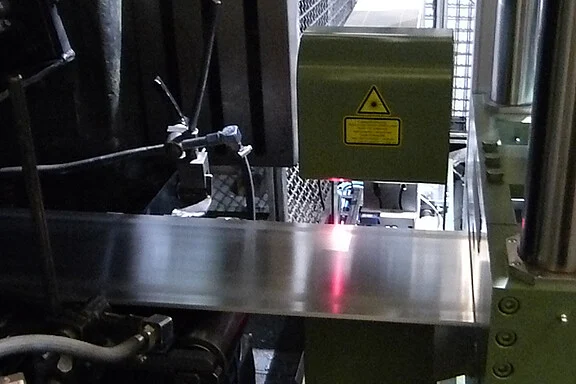
When measuring the thickness of metal strips, optical methods based on laser triangulation have numerous advantages compared with other methods. They measure without contact and therefore without wear. Moreover, independently of the…
Glasses are often reinforced with safety and security films which provide increased splinter protection. In order to measure the film layer and to determine the thickness of the applied adhesive, confocal chromatic sensors from…
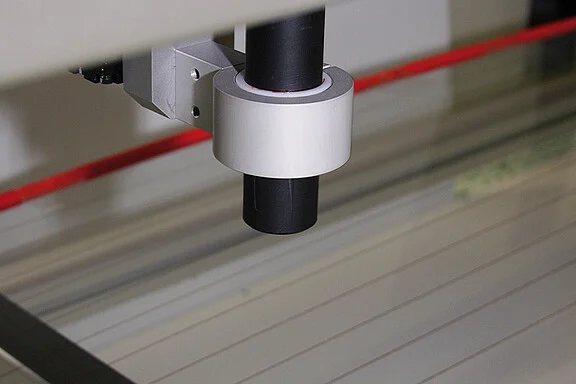
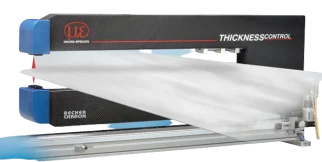
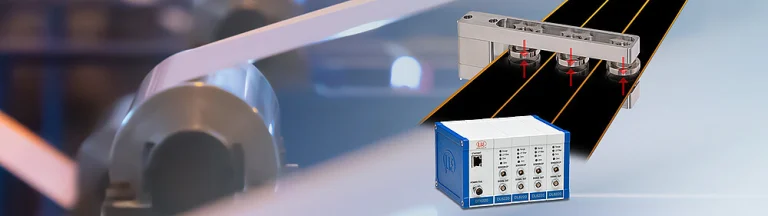
The thicknessCONTROL measurement system is used for thickness measurement of plates and strip materials. Depending on the measurement task and materials, the head is equipped with different sensors that measure in a fixed track or in a…
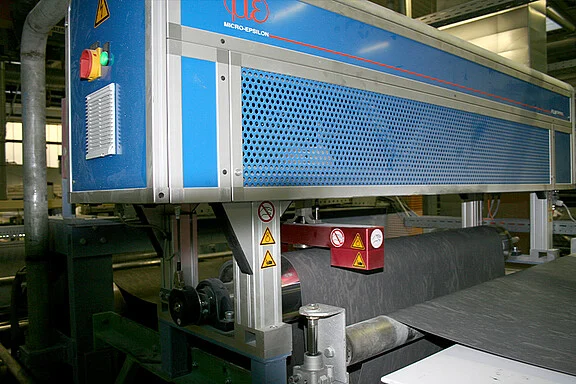
Opposed sensors on a temperature-compensated frame, for opaque strip and sheet.
Depending on the respective measurement task, it is sensible to carry out a two-sided thickness measurement. Arranged opposite the material, two displacement sensors detect the thickness. This measurement arrangement is particularly…
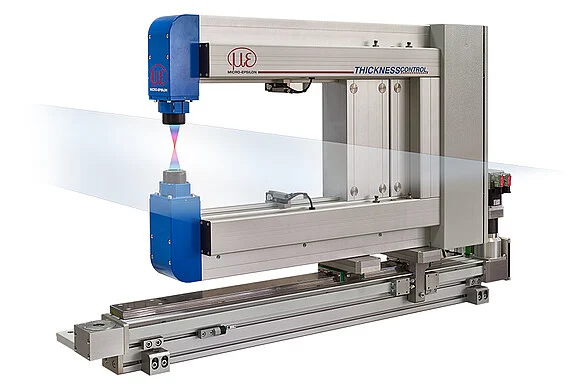
With the wall thickness and roundness measurements in star wheel inspection machines, a fast measuring rate is required in order to support the ongoing process. Micro-Epsilon’s confocal chromatic measuring systems provide a high measuring…
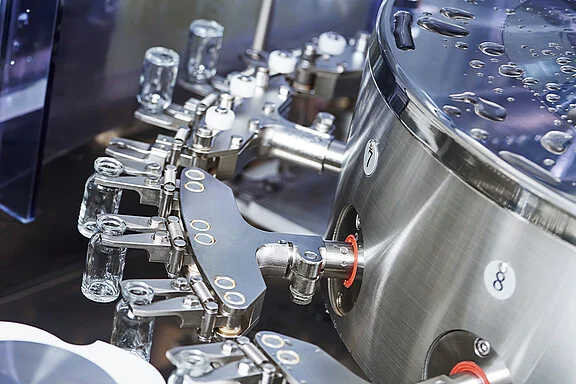
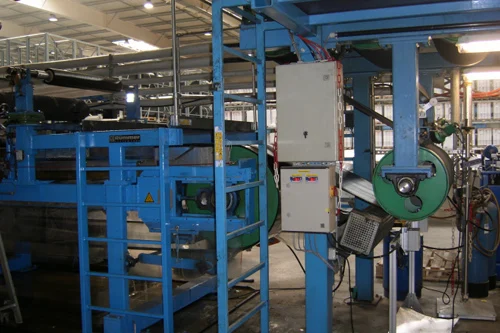
A consistent yarn thickness is a prerequisite in the textile industry for high quality products. Therefore, the naturally occurring yarn thickness fluctuations must be eliminated. The yarn is drawn to a constant thickness using a stretching…
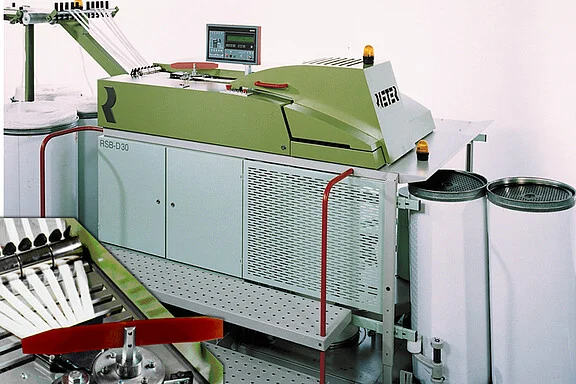
A single sensor that reads both interfaces of clear film, glass and coatings.
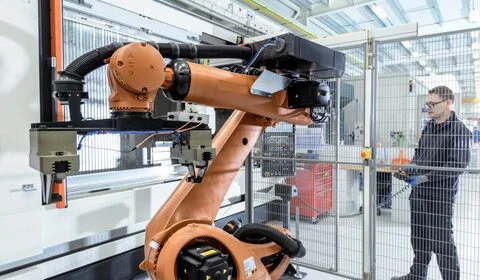
Multi-layer measurement that separates each layer, not just the total.
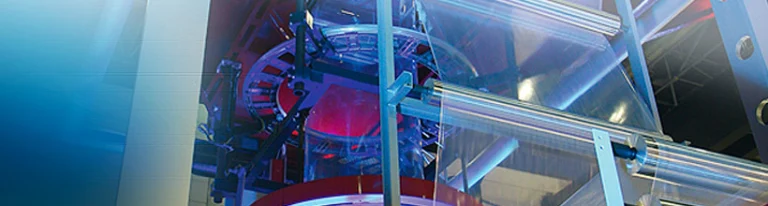
optoNCDT 1750: sensors and measurement devices by Micro-Epsilon for laser triangulation.
confocalDT: sensors and measurement devices by Micro-Epsilon for distance & displacement sensors.
scanCONTROL 2900: sensors and measurement devices by Micro-Epsilon for measurement & 3d systems.
optoNCDT 1320: sensors and measurement devices by Micro-Epsilon for laser triangulation.
Answers to the most common questions about our products and services
Usually five to ten working days from when your samples reach our lab. You get a written report with the measured results and a recommended configuration.
Both. We can supply the instrument alone, or install, align, configure and prove it on your line with a measurement capability test before handover.
Tell us what you need to measure and an engineer will get back to you.