















Gap measurement in aluminum die casting processes
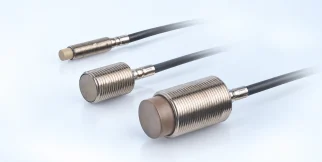
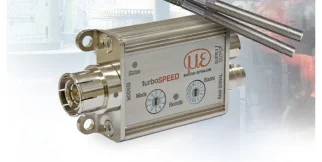
In aluminum die casting, liquid aluminum is poured into molds under high pressure and at high speeds. The high pressure acts on the closed mold and pushes it apart, which is why splinters and burrs might occur during casting. In order to measure the pressure-induced movement of the molds, eddy current sensors detect the change in distance. These robust sensors provide reliable measurement results despite high temperatures, ambient pressure and a dirty measuring gap. In aluminum die casting, liquid aluminum is poured into molds under high pressure and at high speeds. The high pressure acts on the closed mold and pushes it apart, which is why splinters and burrs might occur during casting. In order to measure the pressure-induced movement of the molds, eddy current sensors detect the change in distance. These robust sensors provide reliable measurement results despite high temperatures, ambient pressure and a dirty measuring gap.
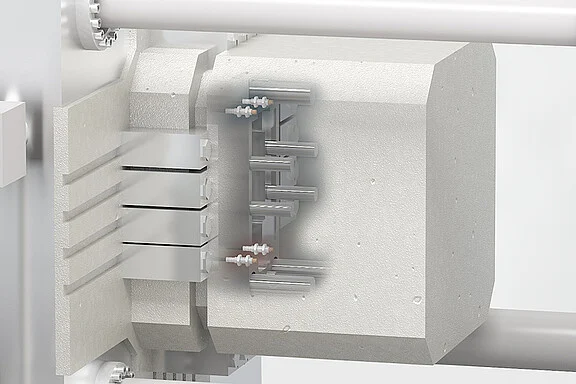
In aluminum die casting, liquid aluminum is poured into molds under high pressure and at high speeds. The high pressure acts on the closed mold and pushes it apart, which is why splinters and burrs might occur during casting. In order to measure the pressure-induced movement of the molds, eddy current sensors detect the change in distance. These robust sensors provide reliable measurement results despite high temperatures, ambient pressure and a dirty measuring gap. In aluminum die casting, liquid aluminum is poured into molds under high pressure and at high speeds. The high pressure acts on the closed mold and pushes it apart, which is why splinters and burrs might occur during casting. In order to measure the pressure-induced movement of the molds, eddy current sensors detect the change in distance. These robust sensors provide reliable measurement results despite high temperatures, ambient pressure and a dirty measuring gap.
Application challenge
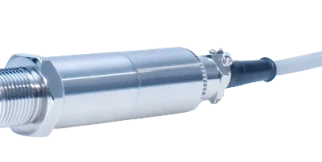
In aluminum die casting, liquid aluminum is poured into molds under high pressure and at high speeds. The high pressure acts on the closed mold and pushes it apart, which is why splinters and burrs might occur during casting. In order to measure the pressure-induced movement of the molds, eddy current sensors detect the change in distance. These robust sensors provide reliable measurement results despite high temperatures, ambient pressure and a dirty measuring gap.
Measurement method and system
In aluminum die casting, liquid aluminum is poured into molds under high pressure and at high speeds. The high pressure acts on the closed mold and pushes it apart, which is why splinters and burrs might occur during casting. In order to measure the pressure-induced movement of the molds, eddy current sensors detect the change in distance. These robust sensors provide reliable measurement results despite high temperatures, ambient pressure and a dirty measuring gap.
The problem
In aluminum die casting, liquid aluminum is poured into molds under high pressure and at high speeds. The high pressure acts on the closed mold and pushes it apart, which is why splinters and burrs might occur during casting. In order to measure the pressure-induced movement of the molds, eddy current sensors detect the change in distance. These robust sensors provide reliable measurement results despite high temperatures, ambient pressure and a dirty measuring gap.
The method
In aluminum die casting, liquid aluminum is poured into molds under high pressure and at high speeds. The high pressure acts on the closed mold and pushes it apart, which is why splinters and burrs might occur during casting. In order to measure the pressure-induced movement of the molds, eddy current sensors detect the change in distance. These robust sensors provide reliable measurement results despite high temperatures, ambient pressure and a dirty measuring gap.