

























How to determine the degree of roasting of coffee beans
In the food industry, color sensors are indispensable tools for controlling the quality of a wide range of products. These sensors contribute significantly to meeting the high standards in food production. For example, the degree of roasting of coffee beans, the degree of browning of cookies, or the purity of sugar can be precisely determined. The inhomogeneous surface structure of the products and the increased ambient temperature during production pose particular challenges. In the food industry, color sensors are indispensable tools for controlling the quality of a wide range of products. These sensors contribute significantly to meeting the high standards in food production. For example, the degree of roasting of coffee beans, the degree of browning of cookies, or the purity of sugar can be precisely determined. The inhomogeneous surface structure of the products and the increased ambient temperature during production pose particular challenges.
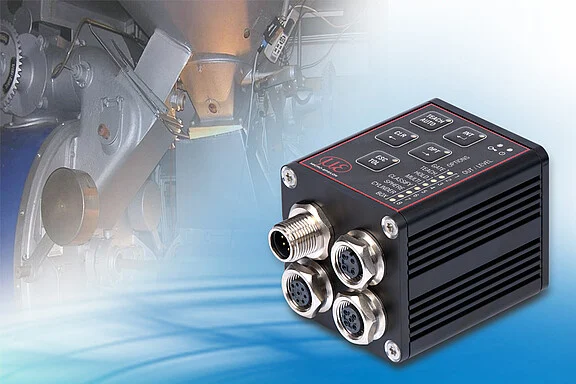
In the food industry, color sensors are indispensable tools for controlling the quality of a wide range of products. These sensors contribute significantly to meeting the high standards in food production. For example, the degree of roasting of coffee beans, the degree of browning of cookies, or the purity of sugar can be precisely determined. The inhomogeneous surface structure of the products and the increased ambient temperature during production pose particular challenges. In the food industry, color sensors are indispensable tools for controlling the quality of a wide range of products. These sensors contribute significantly to meeting the high standards in food production. For example, the degree of roasting of coffee beans, the degree of browning of cookies, or the purity of sugar can be precisely determined. The inhomogeneous surface structure of the products and the increased ambient temperature during production pose particular challenges.
Application challenge
In the food industry, color sensors are indispensable tools for controlling the quality of a wide range of products. These sensors contribute significantly to meeting the high standards in food production. For example, the degree of roasting of coffee beans, the degree of browning of cookies, or the purity of sugar can be precisely determined. The inhomogeneous surface structure of the products and the increased ambient temperature during production pose particular challenges.
Measurement method and system
In the food industry, color sensors are indispensable tools for controlling the quality of a wide range of products. These sensors contribute significantly to meeting the high standards in food production. For example, the degree of roasting of coffee beans, the degree of browning of cookies, or the purity of sugar can be precisely determined. The inhomogeneous surface structure of the products and the increased ambient temperature during production pose particular challenges.
The problem
In the food industry, color sensors are indispensable tools for controlling the quality of a wide range of products. These sensors contribute significantly to meeting the high standards in food production. For example, the degree of roasting of coffee beans, the degree of browning of cookies, or the purity of sugar can be precisely determined. The inhomogeneous surface structure of the products and the increased ambient temperature during production pose particular challenges.
The method
In the food industry, color sensors are indispensable tools for controlling the quality of a wide range of products. These sensors contribute significantly to meeting the high standards in food production. For example, the degree of roasting of coffee beans, the degree of browning of cookies, or the purity of sugar can be precisely determined. The inhomogeneous surface structure of the products and the increased ambient temperature during production pose particular challenges.