













Inline color measurement during extrusion
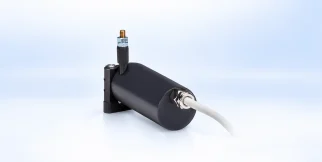
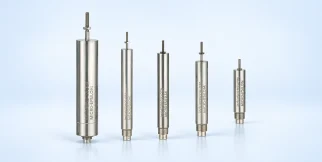
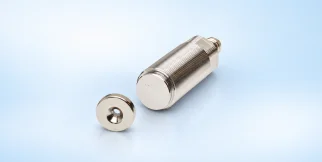
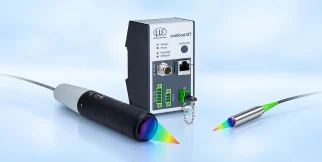
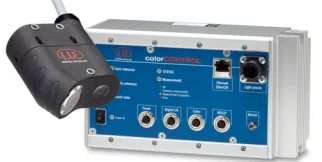
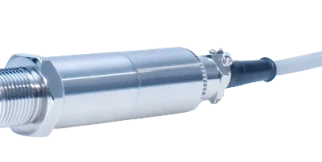
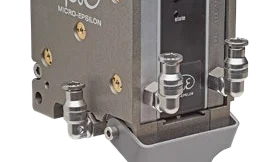
When extruding solid to viscous masses, the materials must not be allowed to heat up too much. This would lead to burning and therefore undesirable coloration. The precise colorSENSOR CFO sensors measure the color of the materials directly in the extruder. In the case of transparent materials such as gelatin, the measurement is carried out in transmission, while opaque materials such as plastic are measured using the reflection method. One or two special sensors CFS4-T150-P200 are installed directly in the extruder with either a transmission sensor CFS3-S-T250 or a reflection sensor CFS4-S-T250. The measurement takes place on the inside wall of the extruder, at up to 200 bar pressure and up to 250 °C. The results are then used for process control. When extruding solid to viscous masses, the materials must not be allowed to heat up too much. This would lead to burning and therefore undesirable coloration. The precise colorSENSOR CFO sensors measure the color of the materials directly in the extruder. In the case of transparent materials such as gelatin, the measurement is carried out in transmission, while opaque materials such as plastic are measured using the reflection method. One or two special sensors CFS4-T150-P200 are installed directly in the extruder with either a transmission sensor CFS3-S-T250 or a reflection sensor CFS4-S-T250. The measurement takes place on the inside wall of the extruder, at up to 200 bar pressure and up to 250 °C. The results are then used for process control.
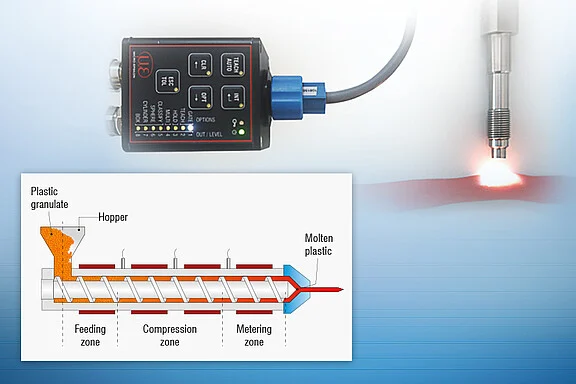
When extruding solid to viscous masses, the materials must not be allowed to heat up too much. This would lead to burning and therefore undesirable coloration. The precise colorSENSOR CFO sensors measure the color of the materials directly in the extruder. In the case of transparent materials such as gelatin, the measurement is carried out in transmission, while opaque materials such as plastic are measured using the reflection method. One or two special sensors CFS4-T150-P200 are installed directly in the extruder with either a transmission sensor CFS3-S-T250 or a reflection sensor CFS4-S-T250. The measurement takes place on the inside wall of the extruder, at up to 200 bar pressure and up to 250 °C. The results are then used for process control. When extruding solid to viscous masses, the materials must not be allowed to heat up too much. This would lead to burning and therefore undesirable coloration. The precise colorSENSOR CFO sensors measure the color of the materials directly in the extruder. In the case of transparent materials such as gelatin, the measurement is carried out in transmission, while opaque materials such as plastic are measured using the reflection method. One or two special sensors CFS4-T150-P200 are installed directly in the extruder with either a transmission sensor CFS3-S-T250 or a reflection sensor CFS4-S-T250. The measurement takes place on the inside wall of the extruder, at up to 200 bar pressure and up to 250 °C. The results are then used for process control.
Application challenge
When extruding solid to viscous masses, the materials must not be allowed to heat up too much. This would lead to burning and therefore undesirable coloration. The precise colorSENSOR CFO sensors measure the color of the materials directly in the extruder. In the case of transparent materials such as gelatin, the measurement is carried out in transmission, while opaque materials such as plastic are measured using the reflection method. One or two special sensors CFS4-T150-P200 are installed directly in the extruder with either a transmission sensor CFS3-S-T250 or a reflection sensor CFS4-S-T250. The measurement takes place on the inside wall of the extruder, at up to 200 bar pressure and up to 250 °C. The results are then used for process control.
Measurement method and system
When extruding solid to viscous masses, the materials must not be allowed to heat up too much. This would lead to burning and therefore undesirable coloration. The precise colorSENSOR CFO sensors measure the color of the materials directly in the extruder. In the case of transparent materials such as gelatin, the measurement is carried out in transmission, while opaque materials such as plastic are measured using the reflection method. One or two special sensors CFS4-T150-P200 are installed directly in the extruder with either a transmission sensor CFS3-S-T250 or a reflection sensor CFS4-S-T250. The measurement takes place on the inside wall of the extruder, at up to 200 bar pressure and up to 250 °C. The results are then used for process control.
The problem
When extruding solid to viscous masses, the materials must not be allowed to heat up too much. This would lead to burning and therefore undesirable coloration. The precise colorSENSOR CFO sensors measure the color of the materials directly in the extruder. In the case of transparent materials such as gelatin, the measurement is carried out in transmission, while opaque materials such as plastic are measured using the reflection method. One or two special sensors CFS4-T150-P200 are installed directly in the extruder with either a transmission sensor CFS3-S-T250 or a reflection sensor CFS4-S-T250. The measurement takes place on the inside wall of the extruder, at up to 200 bar pressure and up to 250 °C. The results are then used for process control.
The method
When extruding solid to viscous masses, the materials must not be allowed to heat up too much. This would lead to burning and therefore undesirable coloration. The precise colorSENSOR CFO sensors measure the color of the materials directly in the extruder. In the case of transparent materials such as gelatin, the measurement is carried out in transmission, while opaque materials such as plastic are measured using the reflection method. One or two special sensors CFS4-T150-P200 are installed directly in the extruder with either a transmission sensor CFS3-S-T250 or a reflection sensor CFS4-S-T250. The measurement takes place on the inside wall of the extruder, at up to 200 bar pressure and up to 250 °C. The results are then used for process control.