















Rotor gap measurement in the generator
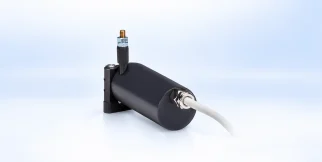
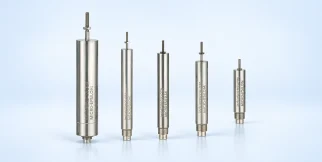
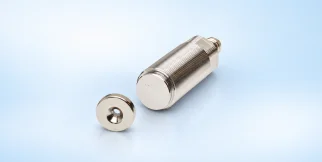
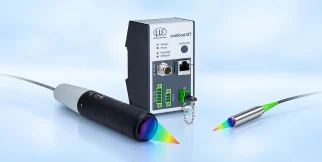
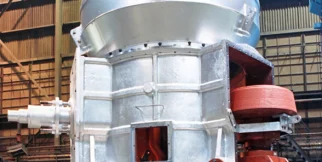
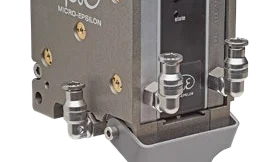
In order to monitor rotor behavior in the generator, capacitive displacement sensors measure the gap between stator and rotor. Despite high temperatures and electromagnetic fields, capacitive sensors from Micro-Epsilon provide unmatched accuracies. In addition to continuous measurement for predictive maintenance, the measurement can also be used when setting the generator. In order to monitor rotor behavior in the generator, capacitive displacement sensors measure the gap between stator and rotor. Despite high temperatures and electromagnetic fields, capacitive sensors from Micro-Epsilon provide unmatched accuracies. In addition to continuous measurement for predictive maintenance, the measurement can also be used when setting the generator.
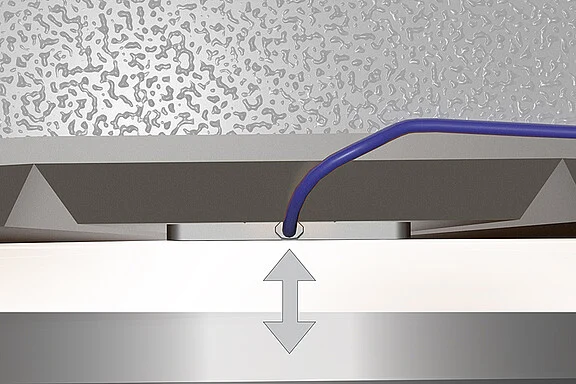
In order to monitor rotor behavior in the generator, capacitive displacement sensors measure the gap between stator and rotor. Despite high temperatures and electromagnetic fields, capacitive sensors from Micro-Epsilon provide unmatched accuracies. In addition to continuous measurement for predictive maintenance, the measurement can also be used when setting the generator. In order to monitor rotor behavior in the generator, capacitive displacement sensors measure the gap between stator and rotor. Despite high temperatures and electromagnetic fields, capacitive sensors from Micro-Epsilon provide unmatched accuracies. In addition to continuous measurement for predictive maintenance, the measurement can also be used when setting the generator.
Application challenge
In order to monitor rotor behavior in the generator, capacitive displacement sensors measure the gap between stator and rotor. Despite high temperatures and electromagnetic fields, capacitive sensors from Micro-Epsilon provide unmatched accuracies. In addition to continuous measurement for predictive maintenance, the measurement can also be used when setting the generator.
Measurement method and system
In order to monitor rotor behavior in the generator, capacitive displacement sensors measure the gap between stator and rotor. Despite high temperatures and electromagnetic fields, capacitive sensors from Micro-Epsilon provide unmatched accuracies. In addition to continuous measurement for predictive maintenance, the measurement can also be used when setting the generator.
The problem
In order to monitor rotor behavior in the generator, capacitive displacement sensors measure the gap between stator and rotor. Despite high temperatures and electromagnetic fields, capacitive sensors from Micro-Epsilon provide unmatched accuracies. In addition to continuous measurement for predictive maintenance, the measurement can also be used when setting the generator.
The method
In order to monitor rotor behavior in the generator, capacitive displacement sensors measure the gap between stator and rotor. Despite high temperatures and electromagnetic fields, capacitive sensors from Micro-Epsilon provide unmatched accuracies. In addition to continuous measurement for predictive maintenance, the measurement can also be used when setting the generator.