















Distance control with fully automatic laser welding
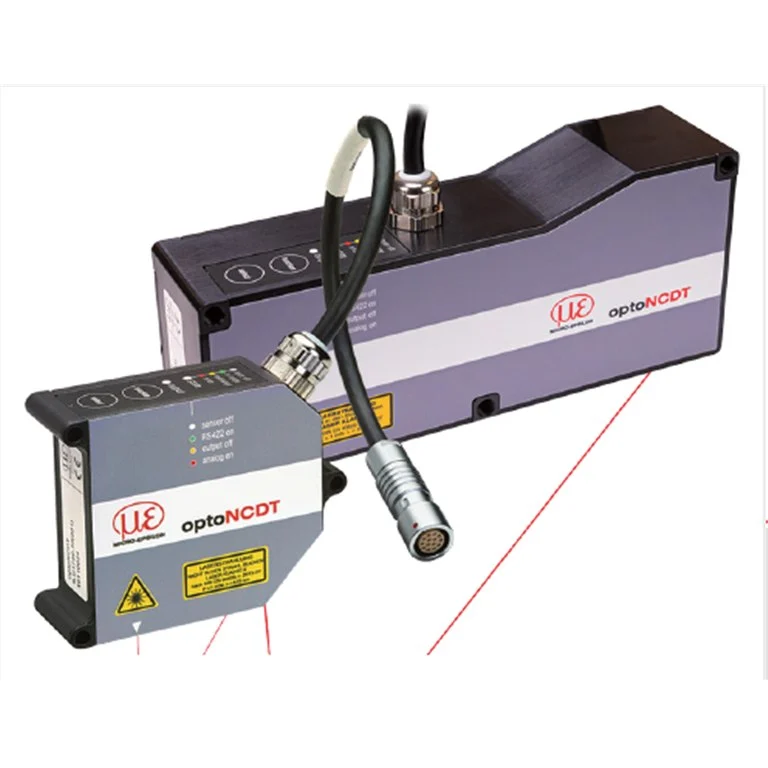
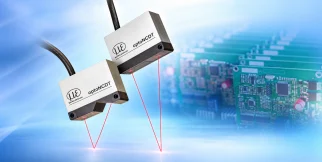
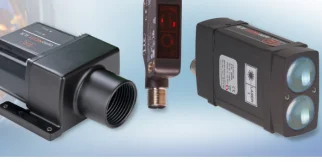
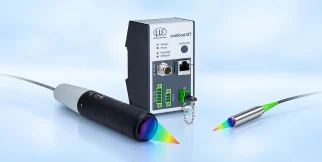
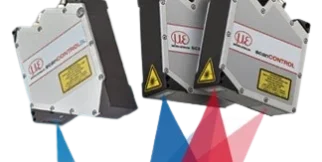
In fully automatic welding units, welding head positioning is crucial for the quality of the welded joint. In order to position the welding head at the correct distance, optoNCDT 1900 laser sensors are used. These measure the distance from the steel plates in two directions while impressing with high accuracy and dynamics. The distance values are used to position the welding head. Offering the highest immunity to ambient light in their class, the optoNCDT 1900 laser sensors are ideally suited for measurement tasks in welding automation. In fully automatic welding units, welding head positioning is crucial for the quality of the welded joint. In order to position the welding head at the correct distance, optoNCDT 1900 laser sensors are used. These measure the distance from the steel plates in two directions while impressing with high accuracy and dynamics. The distance values are used to position the welding head. Offering the highest immunity to ambient light in their class, the optoNCDT 1900 laser sensors are ideally suited for measurement tasks in welding automation.
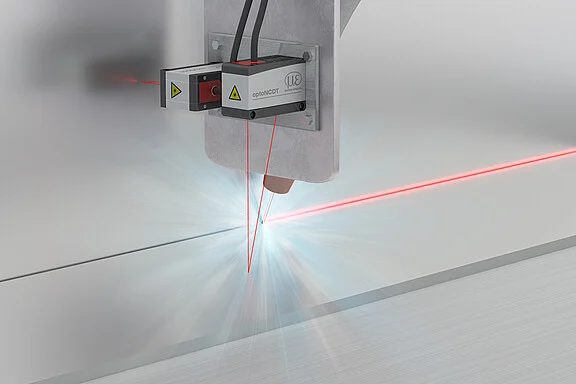
In fully automatic welding units, welding head positioning is crucial for the quality of the welded joint. In order to position the welding head at the correct distance, optoNCDT 1900 laser sensors are used. These measure the distance from the steel plates in two directions while impressing with high accuracy and dynamics. The distance values are used to position the welding head. Offering the highest immunity to ambient light in their class, the optoNCDT 1900 laser sensors are ideally suited for measurement tasks in welding automation. In fully automatic welding units, welding head positioning is crucial for the quality of the welded joint. In order to position the welding head at the correct distance, optoNCDT 1900 laser sensors are used. These measure the distance from the steel plates in two directions while impressing with high accuracy and dynamics. The distance values are used to position the welding head. Offering the highest immunity to ambient light in their class, the optoNCDT 1900 laser sensors are ideally suited for measurement tasks in welding automation.
Application challenge
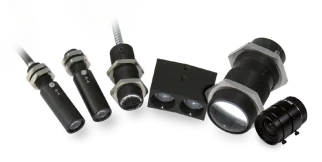
In fully automatic welding units, welding head positioning is crucial for the quality of the welded joint. In order to position the welding head at the correct distance, optoNCDT 1900 laser sensors are used. These measure the distance from the steel plates in two directions while impressing with high accuracy and dynamics. The distance values are used to position the welding head. Offering the highest immunity to ambient light in their class, the optoNCDT 1900 laser sensors are ideally suited for measurement tasks in welding automation.
Measurement method and system
In fully automatic welding units, welding head positioning is crucial for the quality of the welded joint. In order to position the welding head at the correct distance, optoNCDT 1900 laser sensors are used. These measure the distance from the steel plates in two directions while impressing with high accuracy and dynamics. The distance values are used to position the welding head. Offering the highest immunity to ambient light in their class, the optoNCDT 1900 laser sensors are ideally suited for measurement tasks in welding automation.
The problem
In fully automatic welding units, welding head positioning is crucial for the quality of the welded joint. In order to position the welding head at the correct distance, optoNCDT 1900 laser sensors are used. These measure the distance from the steel plates in two directions while impressing with high accuracy and dynamics. The distance values are used to position the welding head. Offering the highest immunity to ambient light in their class, the optoNCDT 1900 laser sensors are ideally suited for measurement tasks in welding automation.
The method
In fully automatic welding units, welding head positioning is crucial for the quality of the welded joint. In order to position the welding head at the correct distance, optoNCDT 1900 laser sensors are used. These measure the distance from the steel plates in two directions while impressing with high accuracy and dynamics. The distance values are used to position the welding head. Offering the highest immunity to ambient light in their class, the optoNCDT 1900 laser sensors are ideally suited for measurement tasks in welding automation.