
















Measuring the tilt angle in passenger trains
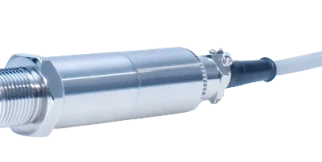
Inductive EDS displacement sensors are integrated in high-speed trains to determine the inclination of the coach body required for cornering. This data is passed on to the control units in the following wagons, which tilt the coach body accordingly to compensate for the resulting lateral acceleration. When taking a bend, the coach body of the vehicle is tilted towards the inside of the bend with the help of hydraulic cylinders. The inclination is controlled by an induSENSOR EDS sensor. This reduces the effect of lateral acceleration forces on the passenger. Inductive EDS displacement sensors are integrated in high-speed trains to determine the inclination of the coach body required for cornering. This data is passed on to the control units in the following wagons, which tilt the coach body accordingly to compensate for the resulting lateral acceleration. When taking a bend, the coach body of the vehicle is tilted towards the inside of the bend with the help of hydraulic cylinders. The inclination is controlled by an induSENSOR EDS sensor. This reduces the effect of lateral acceleration forces on the passenger.
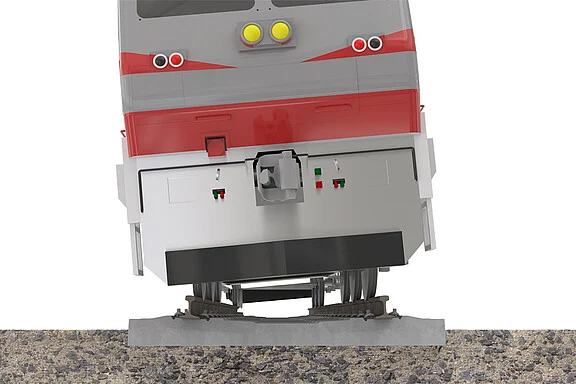
Inductive EDS displacement sensors are integrated in high-speed trains to determine the inclination of the coach body required for cornering. This data is passed on to the control units in the following wagons, which tilt the coach body accordingly to compensate for the resulting lateral acceleration. When taking a bend, the coach body of the vehicle is tilted towards the inside of the bend with the help of hydraulic cylinders. The inclination is controlled by an induSENSOR EDS sensor. This reduces the effect of lateral acceleration forces on the passenger. Inductive EDS displacement sensors are integrated in high-speed trains to determine the inclination of the coach body required for cornering. This data is passed on to the control units in the following wagons, which tilt the coach body accordingly to compensate for the resulting lateral acceleration. When taking a bend, the coach body of the vehicle is tilted towards the inside of the bend with the help of hydraulic cylinders. The inclination is controlled by an induSENSOR EDS sensor. This reduces the effect of lateral acceleration forces on the passenger.
Application challenge
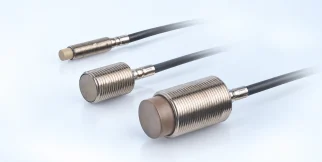
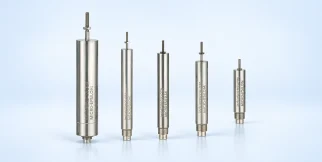
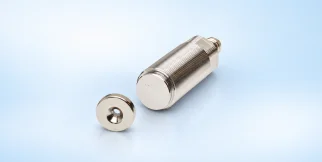
Inductive EDS displacement sensors are integrated in high-speed trains to determine the inclination of the coach body required for cornering. This data is passed on to the control units in the following wagons, which tilt the coach body accordingly to compensate for the resulting lateral acceleration. When taking a bend, the coach body of the vehicle is tilted towards the inside of the bend with the help of hydraulic cylinders. The inclination is controlled by an induSENSOR EDS sensor. This reduces the effect of lateral acceleration forces on the passenger.
Measurement method and system
Inductive EDS displacement sensors are integrated in high-speed trains to determine the inclination of the coach body required for cornering. This data is passed on to the control units in the following wagons, which tilt the coach body accordingly to compensate for the resulting lateral acceleration. When taking a bend, the coach body of the vehicle is tilted towards the inside of the bend with the help of hydraulic cylinders. The inclination is controlled by an induSENSOR EDS sensor. This reduces the effect of lateral acceleration forces on the passenger.
The problem
Inductive EDS displacement sensors are integrated in high-speed trains to determine the inclination of the coach body required for cornering. This data is passed on to the control units in the following wagons, which tilt the coach body accordingly to compensate for the resulting lateral acceleration. When taking a bend, the coach body of the vehicle is tilted towards the inside of the bend with the help of hydraulic cylinders. The inclination is controlled by an induSENSOR EDS sensor. This reduces the effect of lateral acceleration forces on the passenger.
The method
Inductive EDS displacement sensors are integrated in high-speed trains to determine the inclination of the coach body required for cornering. This data is passed on to the control units in the following wagons, which tilt the coach body accordingly to compensate for the resulting lateral acceleration. When taking a bend, the coach body of the vehicle is tilted towards the inside of the bend with the help of hydraulic cylinders. The inclination is controlled by an induSENSOR EDS sensor. This reduces the effect of lateral acceleration forces on the passenger.