

















Measuring the wear of high-speed railway lines
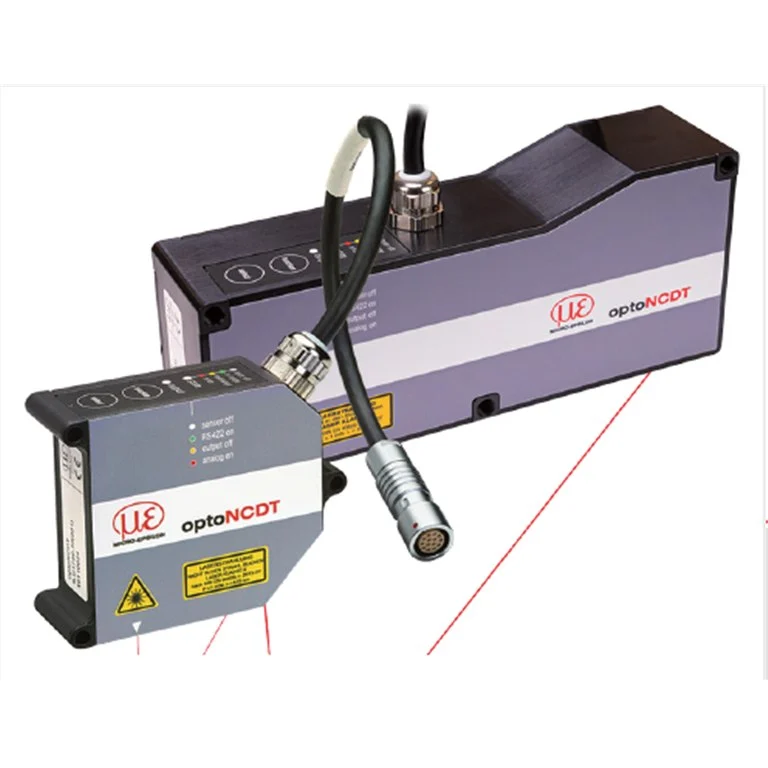
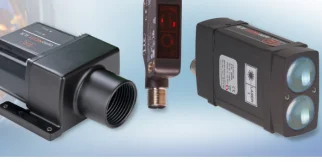
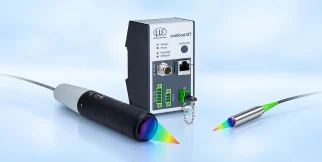
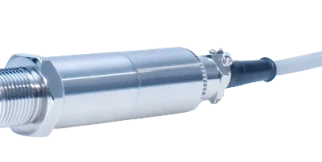
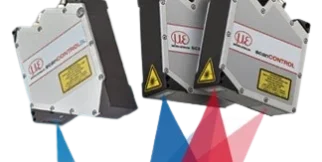
In order to detect the wear on high-speed railway lines, special measurement wagons inspect the tracks. The measurement wagon contains two optoNCDT 1900 laser displacement sensors. These measure the distance to the track at a high measuring rate. Standard models with a small laser spot detect chipping and defects with high resolution. This determines wear, chipping and slippage. In order to detect the wear on high-speed railway lines, special measurement wagons inspect the tracks. The measurement wagon contains two optoNCDT 1900 laser displacement sensors. These measure the distance to the track at a high measuring rate. Standard models with a small laser spot detect chipping and defects with high resolution. This determines wear, chipping and slippage.
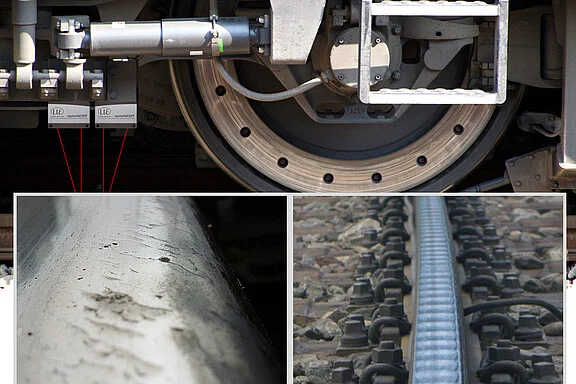
In order to detect the wear on high-speed railway lines, special measurement wagons inspect the tracks. The measurement wagon contains two optoNCDT 1900 laser displacement sensors. These measure the distance to the track at a high measuring rate. Standard models with a small laser spot detect chipping and defects with high resolution. This determines wear, chipping and slippage. In order to detect the wear on high-speed railway lines, special measurement wagons inspect the tracks. The measurement wagon contains two optoNCDT 1900 laser displacement sensors. These measure the distance to the track at a high measuring rate. Standard models with a small laser spot detect chipping and defects with high resolution. This determines wear, chipping and slippage.
Application challenge
In order to detect the wear on high-speed railway lines, special measurement wagons inspect the tracks. The measurement wagon contains two optoNCDT 1900 laser displacement sensors. These measure the distance to the track at a high measuring rate. Standard models with a small laser spot detect chipping and defects with high resolution. This determines wear, chipping and slippage.
Measurement method and system
In order to detect the wear on high-speed railway lines, special measurement wagons inspect the tracks. The measurement wagon contains two optoNCDT 1900 laser displacement sensors. These measure the distance to the track at a high measuring rate. Standard models with a small laser spot detect chipping and defects with high resolution. This determines wear, chipping and slippage.
The problem
In order to detect the wear on high-speed railway lines, special measurement wagons inspect the tracks. The measurement wagon contains two optoNCDT 1900 laser displacement sensors. These measure the distance to the track at a high measuring rate. Standard models with a small laser spot detect chipping and defects with high resolution. This determines wear, chipping and slippage.
The method
In order to detect the wear on high-speed railway lines, special measurement wagons inspect the tracks. The measurement wagon contains two optoNCDT 1900 laser displacement sensors. These measure the distance to the track at a high measuring rate. Standard models with a small laser spot detect chipping and defects with high resolution. This determines wear, chipping and slippage.