

















Non-contact thickness measurement of aluminum
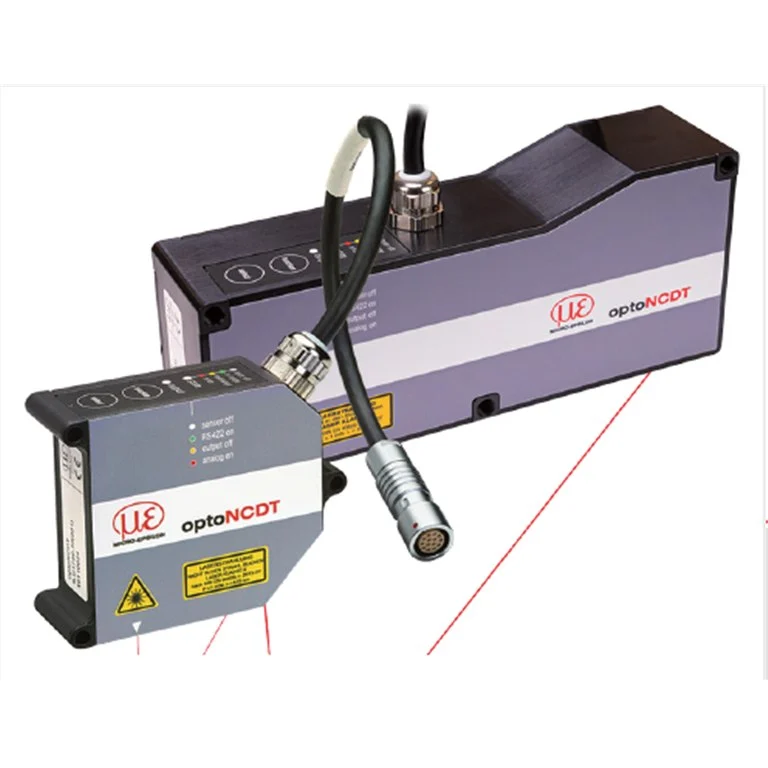
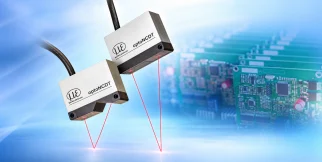
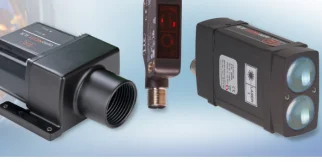
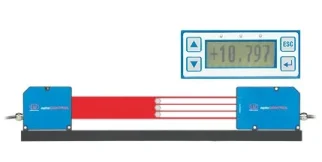
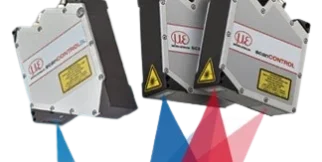
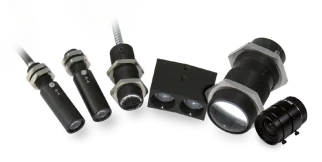
For the prompt detection of incorrect thickness of aluminum strips, optoNCDT laser triangulation sensors are used as modern alternative solution to isotopic measuring systems. At the measurement location, the sensors are mounted opposite to each other, above and below the conveyed aluminum strip. Regardless of the exact height position of the strip, the sensors provide the exact material thickness based on a simple distance signal coupling, F=Ref. - (A + B). For the prompt detection of incorrect thickness of aluminum strips, optoNCDT laser triangulation sensors are used as modern alternative solution to isotopic measuring systems. At the measurement location, the sensors are mounted opposite to each other, above and below the conveyed aluminum strip. Regardless of the exact height position of the strip, the sensors provide the exact material thickness based on a simple distance signal coupling, F=Ref. - (A + B).
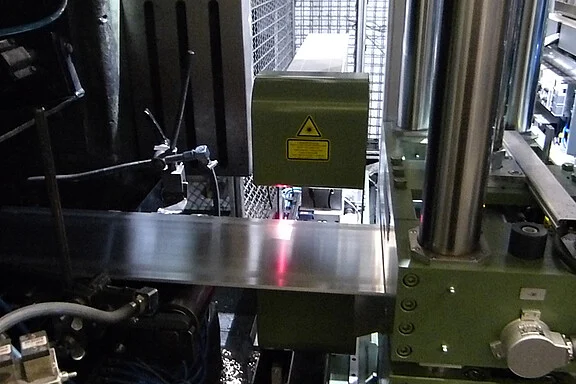
For the prompt detection of incorrect thickness of aluminum strips, optoNCDT laser triangulation sensors are used as modern alternative solution to isotopic measuring systems. At the measurement location, the sensors are mounted opposite to each other, above and below the conveyed aluminum strip. Regardless of the exact height position of the strip, the sensors provide the exact material thickness based on a simple distance signal coupling, F=Ref. – (A + B). For the prompt detection of incorrect thickness of aluminum strips, optoNCDT laser triangulation sensors are used as modern alternative solution to isotopic measuring systems. At the measurement location, the sensors are mounted opposite to each other, above and below the conveyed aluminum strip. Regardless of the exact height position of the strip, the sensors provide the exact material thickness based on a simple distance signal coupling, F=Ref. – (A + B).
Application challenge
For the prompt detection of incorrect thickness of aluminum strips, optoNCDT laser triangulation sensors are used as modern alternative solution to isotopic measuring systems. At the measurement location, the sensors are mounted opposite to each other, above and below the conveyed aluminum strip. Regardless of the exact height position of the strip, the sensors provide the exact material thickness based on a simple distance signal coupling, F=Ref. – (A + B).
Measurement method and system
For the prompt detection of incorrect thickness of aluminum strips, optoNCDT laser triangulation sensors are used as modern alternative solution to isotopic measuring systems. At the measurement location, the sensors are mounted opposite to each other, above and below the conveyed aluminum strip. Regardless of the exact height position of the strip, the sensors provide the exact material thickness based on a simple distance signal coupling, F=Ref. – (A + B).
The problem
For the prompt detection of incorrect thickness of aluminum strips, optoNCDT laser triangulation sensors are used as modern alternative solution to isotopic measuring systems. At the measurement location, the sensors are mounted opposite to each other, above and below the conveyed aluminum strip. Regardless of the exact height position of the strip, the sensors provide the exact material thickness based on a simple distance signal coupling, F=Ref. - (A + B).
The method
For the prompt detection of incorrect thickness of aluminum strips, optoNCDT laser triangulation sensors are used as modern alternative solution to isotopic measuring systems. At the measurement location, the sensors are mounted opposite to each other, above and below the conveyed aluminum strip. Regardless of the exact height position of the strip, the sensors provide the exact material thickness based on a simple distance signal coupling, F=Ref. - (A + B).