

















Profile measurement of mounted tram rails
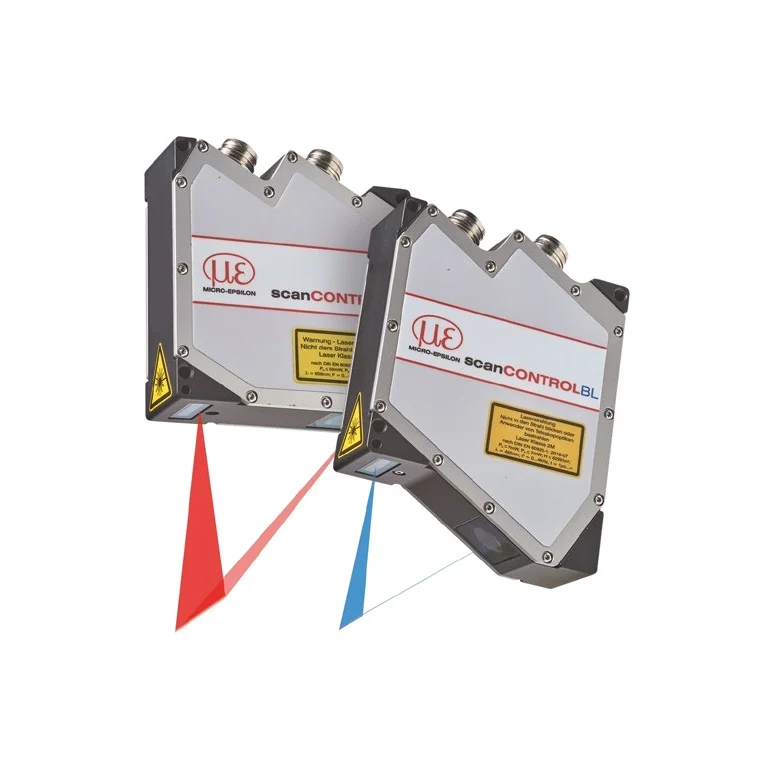
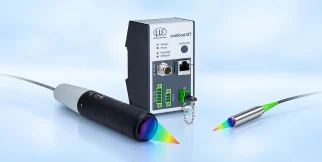
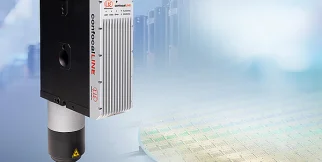
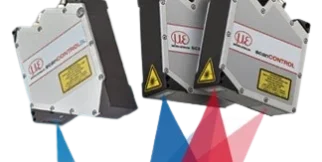
Increasing utilization of trams causes increased wear on the rails. In order to document the rail wear, measurement wagons equipped with scanCONTROL laser scanners are used to detect, automatically evaluate and analyse the profile data. Laser profile scanners from Micro-Epsilon detect the rail cross-section without contact and therefore offer a reproducible and time-saving supplement to visual inspection. A link between the wear points and the map network enables the targeted repair of defects. Increasing utilization of trams causes increased wear on the rails. In order to document the rail wear, measurement wagons equipped with scanCONTROL laser scanners are used to detect, automatically evaluate and analyse the profile data. Laser profile scanners from Micro-Epsilon detect the rail cross-section without contact and therefore offer a reproducible and time-saving supplement to visual inspection. A link between the wear points and the map network enables the targeted repair of defects.
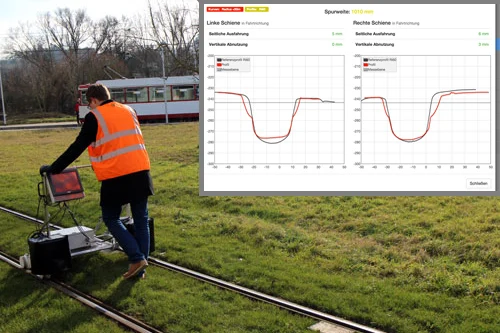
Increasing utilization of trams causes increased wear on the rails. In order to document the rail wear, measurement wagons equipped with scanCONTROL laser scanners are used to detect, automatically evaluate and analyse the profile data. Laser profile scanners from Micro-Epsilon detect the rail cross-section without contact and therefore offer a reproducible and time-saving supplement to visual inspection. A link between the wear points and the map network enables the targeted repair of defects. Increasing utilization of trams causes increased wear on the rails. In order to document the rail wear, measurement wagons equipped with scanCONTROL laser scanners are used to detect, automatically evaluate and analyse the profile data. Laser profile scanners from Micro-Epsilon detect the rail cross-section without contact and therefore offer a reproducible and time-saving supplement to visual inspection. A link between the wear points and the map network enables the targeted repair of defects.
Application challenge
Increasing utilization of trams causes increased wear on the rails. In order to document the rail wear, measurement wagons equipped with scanCONTROL laser scanners are used to detect, automatically evaluate and analyse the profile data. Laser profile scanners from Micro-Epsilon detect the rail cross-section without contact and therefore offer a reproducible and time-saving supplement to visual inspection. A link between the wear points and the map network enables the targeted repair of defects.
Measurement method and system
Increasing utilization of trams causes increased wear on the rails. In order to document the rail wear, measurement wagons equipped with scanCONTROL laser scanners are used to detect, automatically evaluate and analyse the profile data. Laser profile scanners from Micro-Epsilon detect the rail cross-section without contact and therefore offer a reproducible and time-saving supplement to visual inspection. A link between the wear points and the map network enables the targeted repair of defects.
The problem
Increasing utilization of trams causes increased wear on the rails. In order to document the rail wear, measurement wagons equipped with scanCONTROL laser scanners are used to detect, automatically evaluate and analyse the profile data. Laser profile scanners from Micro-Epsilon detect the rail cross-section without contact and therefore offer a reproducible and time-saving supplement to visual inspection. A link between the wear points and the map network enables the targeted repair of defects.
The method
Increasing utilization of trams causes increased wear on the rails. In order to document the rail wear, measurement wagons equipped with scanCONTROL laser scanners are used to detect, automatically evaluate and analyse the profile data. Laser profile scanners from Micro-Epsilon detect the rail cross-section without contact and therefore offer a reproducible and time-saving supplement to visual inspection. A link between the wear points and the map network enables the targeted repair of defects.