









Detection of the lift height in lifting platforms
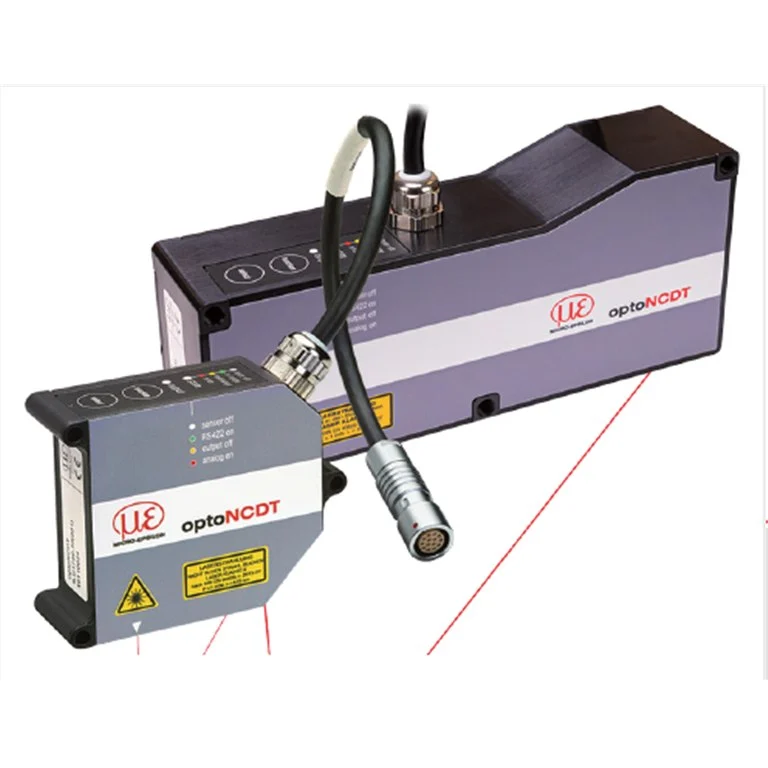
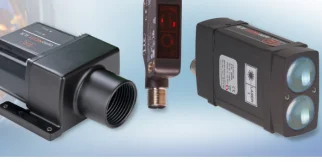
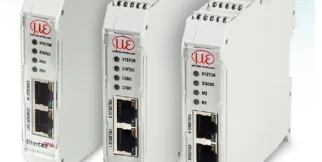
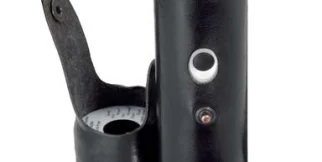
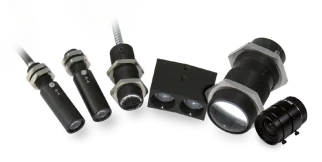
During maintenance and servicing, it is often necessary to lift entire trains. Synchronous heavy-duty lifting systems are used for this purpose. In order to synchronize the lifting height of the individual columns, optoNCDT ILR laser time-of-flight sensors are used. They measure the vertical distance of the support arms to the ground and thereby determine the lifting height. Their modern interface concept, in combination with high accuracy enables synchronous tuning of the lifting unit. During maintenance and servicing, it is often necessary to lift entire trains. Synchronous heavy-duty lifting systems are used for this purpose. In order to synchronize the lifting height of the individual columns, optoNCDT ILR laser time-of-flight sensors are used. They measure the vertical distance of the support arms to the ground and thereby determine the lifting height. Their modern interface concept, in combination with high accuracy enables synchronous tuning of the lifting unit.
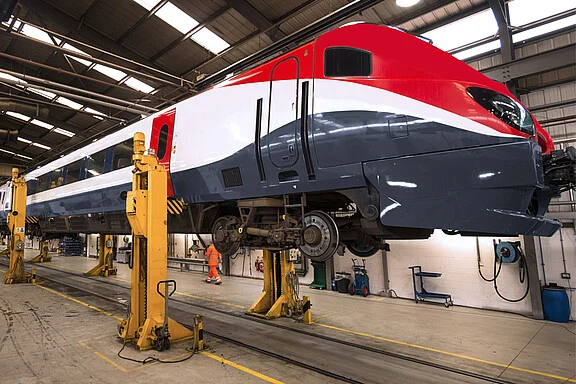
During maintenance and servicing, it is often necessary to lift entire trains. Synchronous heavy-duty lifting systems are used for this purpose. In order to synchronize the lifting height of the individual columns, optoNCDT ILR laser time-of-flight sensors are used. They measure the vertical distance of the support arms to the ground and thereby determine the lifting height. Their modern interface concept, in combination with high accuracy enables synchronous tuning of the lifting unit. During maintenance and servicing, it is often necessary to lift entire trains. Synchronous heavy-duty lifting systems are used for this purpose. In order to synchronize the lifting height of the individual columns, optoNCDT ILR laser time-of-flight sensors are used. They measure the vertical distance of the support arms to the ground and thereby determine the lifting height. Their modern interface concept, in combination with high accuracy enables synchronous tuning of the lifting unit.
Application challenge
During maintenance and servicing, it is often necessary to lift entire trains. Synchronous heavy-duty lifting systems are used for this purpose. In order to synchronize the lifting height of the individual columns, optoNCDT ILR laser time-of-flight sensors are used. They measure the vertical distance of the support arms to the ground and thereby determine the lifting height. Their modern interface concept, in combination with high accuracy enables synchronous tuning of the lifting unit.
Measurement method and system
During maintenance and servicing, it is often necessary to lift entire trains. Synchronous heavy-duty lifting systems are used for this purpose. In order to synchronize the lifting height of the individual columns, optoNCDT ILR laser time-of-flight sensors are used. They measure the vertical distance of the support arms to the ground and thereby determine the lifting height. Their modern interface concept, in combination with high accuracy enables synchronous tuning of the lifting unit.
The problem
During maintenance and servicing, it is often necessary to lift entire trains. Synchronous heavy-duty lifting systems are used for this purpose. In order to synchronize the lifting height of the individual columns, optoNCDT ILR laser time-of-flight sensors are used. They measure the vertical distance of the support arms to the ground and thereby determine the lifting height. Their modern interface concept, in combination with high accuracy enables synchronous tuning of the lifting unit.
The method
During maintenance and servicing, it is often necessary to lift entire trains. Synchronous heavy-duty lifting systems are used for this purpose. In order to synchronize the lifting height of the individual columns, optoNCDT ILR laser time-of-flight sensors are used. They measure the vertical distance of the support arms to the ground and thereby determine the lifting height. Their modern interface concept, in combination with high accuracy enables synchronous tuning of the lifting unit.