











Obstacle recognition on climbing robots
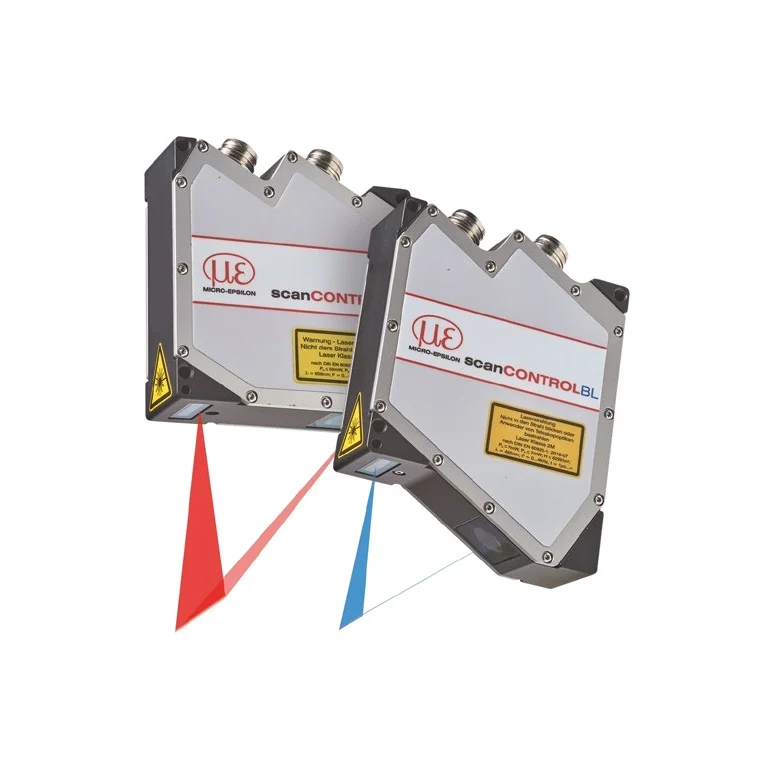
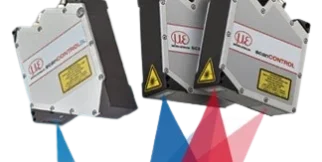
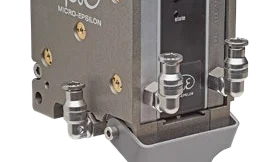
The scanCONTROL 2600 sensors used form a barrier above or below the detector depending on the climbing direction. Due to the detector size, a correspondingly large measuring range of 100 mm in the X and Z directions is required. The sensors are placed directly on the robot arm near the detector. This is made possible by the compact sensor housing and the low weight of only 380 grams. In addition, the laser profile scanners from Micro-Epsilon are resistant to the changing environmental conditions to which the climbing robot is exposed in outdoor use. The scanCONTROL 2600 sensors used form a barrier above or below the detector depending on the climbing direction. Due to the detector size, a correspondingly large measuring range of 100 mm in the X and Z directions is required. The sensors are placed directly on the robot arm near the detector. This is made possible by the compact sensor housing and the low weight of only 380 grams. In addition, the laser profile scanners from Micro-Epsilon are resistant to the changing environmental conditions to which the climbing robot is exposed in outdoor use.
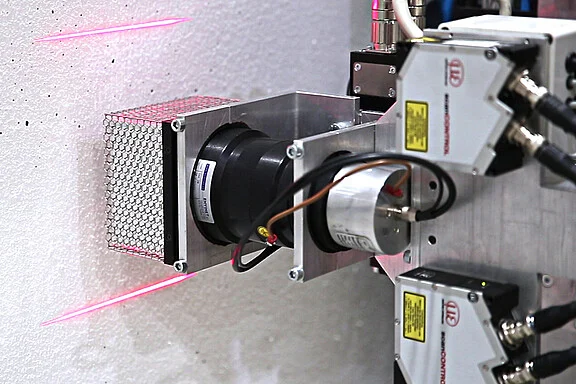
The scanCONTROL 2600 sensors used form a barrier above or below the detector depending on the climbing direction. Due to the detector size, a correspondingly large measuring range of 100 mm in the X and Z directions is required. The sensors are placed directly on the robot arm near the detector. This is made possible by the compact sensor housing and the low weight of only 380 grams. In addition, the laser profile scanners from Micro-Epsilon are resistant to the changing environmental conditions to which the climbing robot is exposed in outdoor use. The scanCONTROL 2600 sensors used form a barrier above or below the detector depending on the climbing direction. Due to the detector size, a correspondingly large measuring range of 100 mm in the X and Z directions is required. The sensors are placed directly on the robot arm near the detector. This is made possible by the compact sensor housing and the low weight of only 380 grams. In addition, the laser profile scanners from Micro-Epsilon are resistant to the changing environmental conditions to which the climbing robot is exposed in outdoor use.
Application challenge
The scanCONTROL 2600 sensors used form a barrier above or below the detector depending on the climbing direction. Due to the detector size, a correspondingly large measuring range of 100 mm in the X and Z directions is required. The sensors are placed directly on the robot arm near the detector. This is made possible by the compact sensor housing and the low weight of only 380 grams. In addition, the laser profile scanners from Micro-Epsilon are resistant to the changing environmental conditions to which the climbing robot is exposed in outdoor use.
Measurement method and system
The scanCONTROL 2600 sensors used form a barrier above or below the detector depending on the climbing direction. Due to the detector size, a correspondingly large measuring range of 100 mm in the X and Z directions is required. The sensors are placed directly on the robot arm near the detector. This is made possible by the compact sensor housing and the low weight of only 380 grams. In addition, the laser profile scanners from Micro-Epsilon are resistant to the changing environmental conditions to which the climbing robot is exposed in outdoor use.
The problem
The scanCONTROL 2600 sensors used form a barrier above or below the detector depending on the climbing direction. Due to the detector size, a correspondingly large measuring range of 100 mm in the X and Z directions is required. The sensors are placed directly on the robot arm near the detector. This is made possible by the compact sensor housing and the low weight of only 380 grams. In addition, the laser profile scanners from Micro-Epsilon are resistant to the changing environmental conditions to which the climbing robot is exposed in outdoor use.
The method
The scanCONTROL 2600 sensors used form a barrier above or below the detector depending on the climbing direction. Due to the detector size, a correspondingly large measuring range of 100 mm in the X and Z directions is required. The sensors are placed directly on the robot arm near the detector. This is made possible by the compact sensor housing and the low weight of only 380 grams. In addition, the laser profile scanners from Micro-Epsilon are resistant to the changing environmental conditions to which the climbing robot is exposed in outdoor use.