
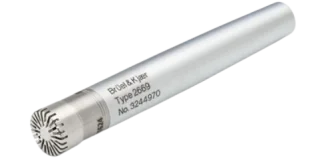




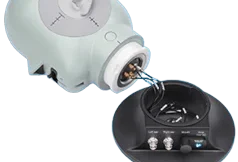
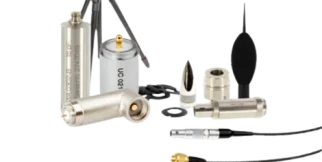
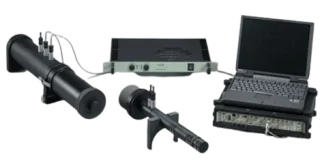
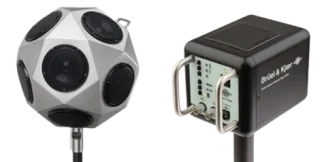












HBK sound intensity microphone pairs Microphones
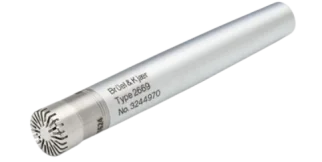
HBK sound intensity microphone pairs: sensors and measurement devices by HBK for microphones.
This series on the HBK site (opens in a new tab)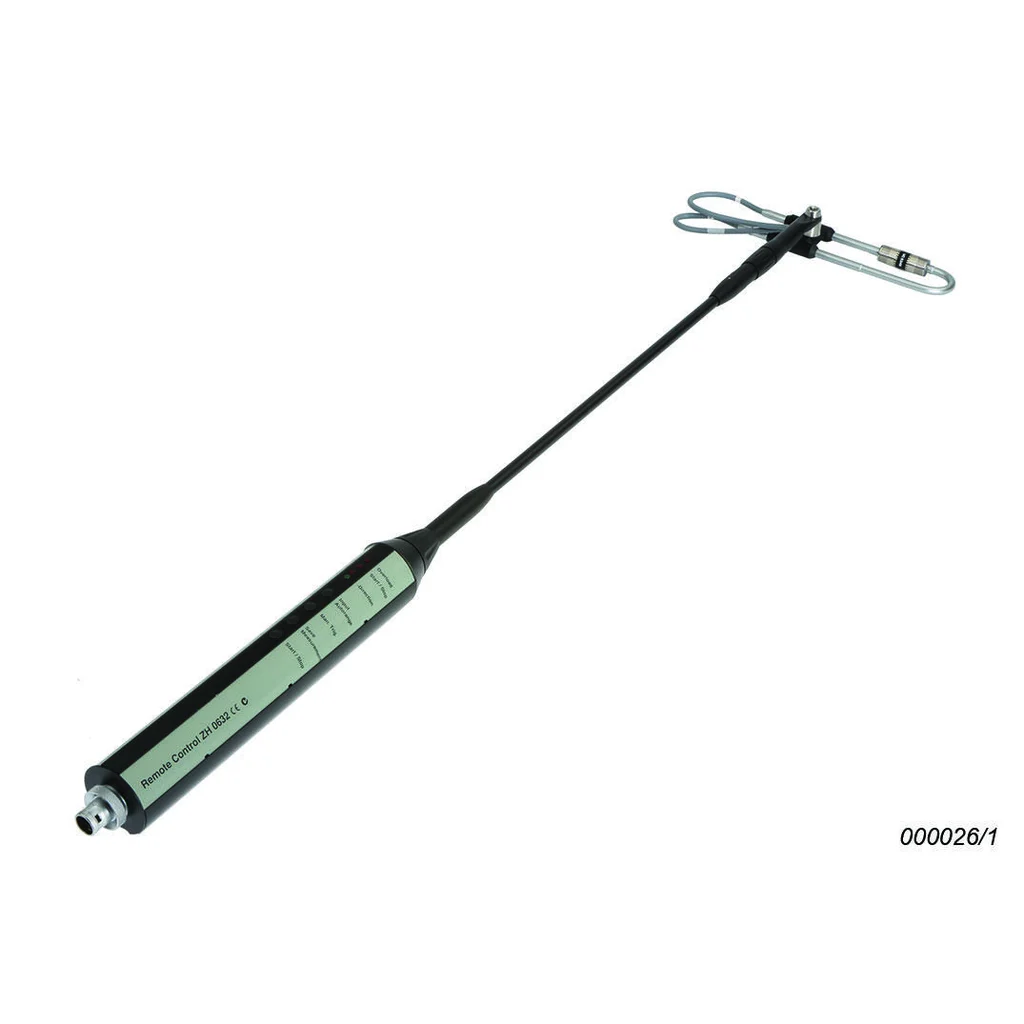
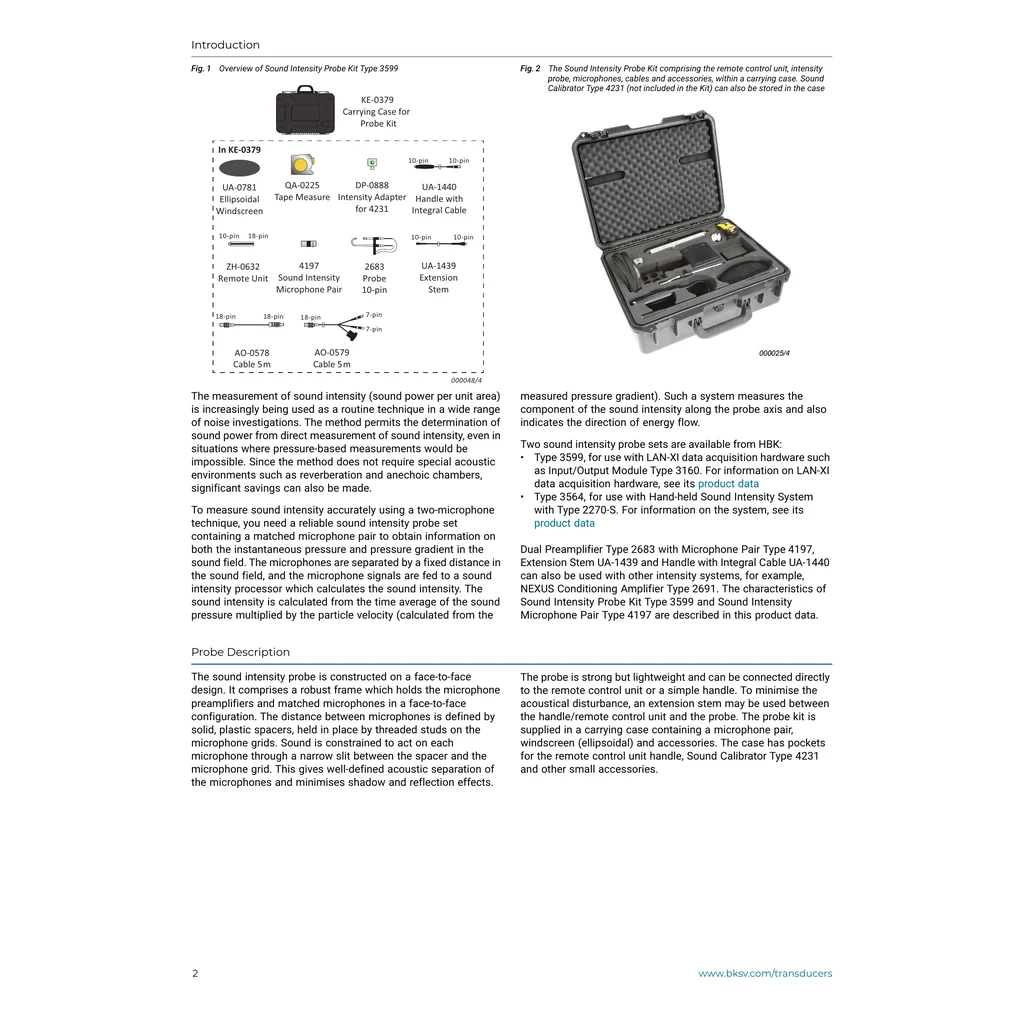
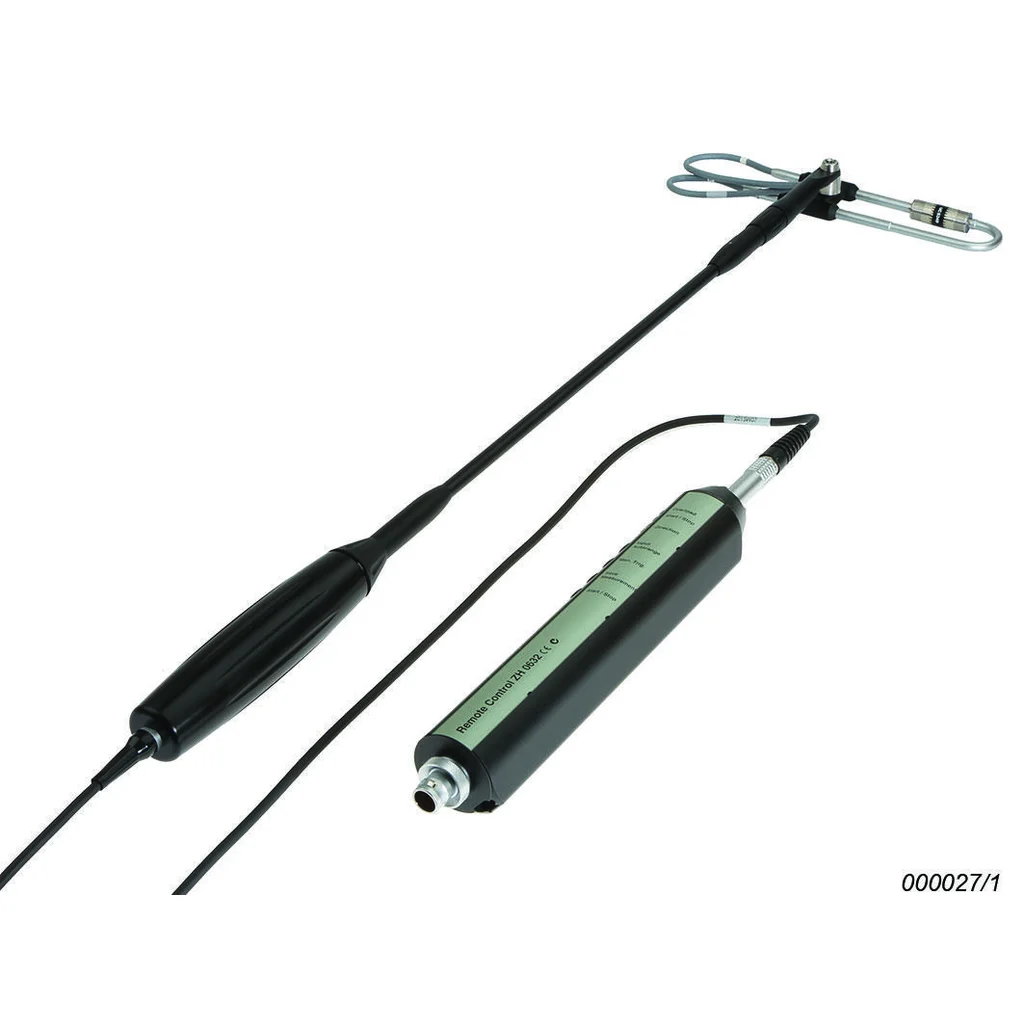
Models in the series
One column per model: what differs between the models of the series.
| Parameter | 4197 eli-m-07325ab742871d2d84285959 |
|---|---|
| Interfaces | ethernet |
| ADC sampling rate | 131072 samples/s |
| Microphone polarization | v_d6bc5a7f9225d591 |
| Microphone sensitivity | 11.2 mV/Pa |
| Maximum SPL | 162 dB SPL |
| A-weighted inherent noise | 20 dB(A) |
| Microphone diameter | 0.5 inch |
| Sound field | v_f6023b0503dfda71 |
| Frequency response | 20–6300 Hz |
| Number of measurement channels | 2 |
| Sound field | Not specified |
| Status | Active |
The industries we serve
-
-
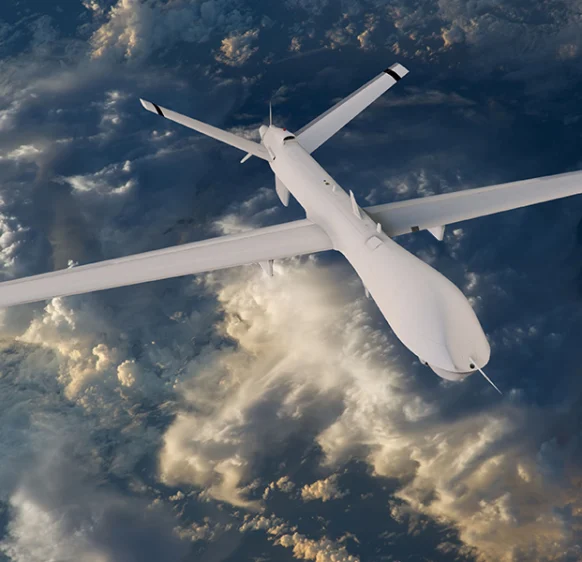
Aerospace
- Aircraft door-lock position detection
- Airlines & Aerospace Our balancing machines and moment weighing scales for aerospace drives ensure maximum precision, ease of use, and modular flexibility delivering reliability and performance without compromise contributing to your economic success.
- Automatic balancing machines Automatic balancing machines from Schenck are advanced solutions for precise balancing of rotating components in automated production processes. We offer systems and stations for balancing crankshafts, wheels and tires, turbochargers, electric armatures, drives, axle drive units, torque converters, drive shafts, disc-shaped rotors, as well as fans. Our systems increase productivity, ensure consistent quality, and are tailored to the needs of the automotive, energy, and industrial sectors.
-
Medical industry
-
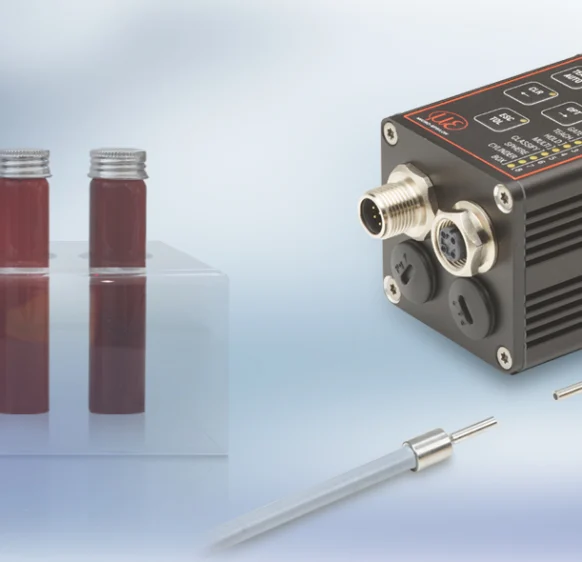
Environment
-
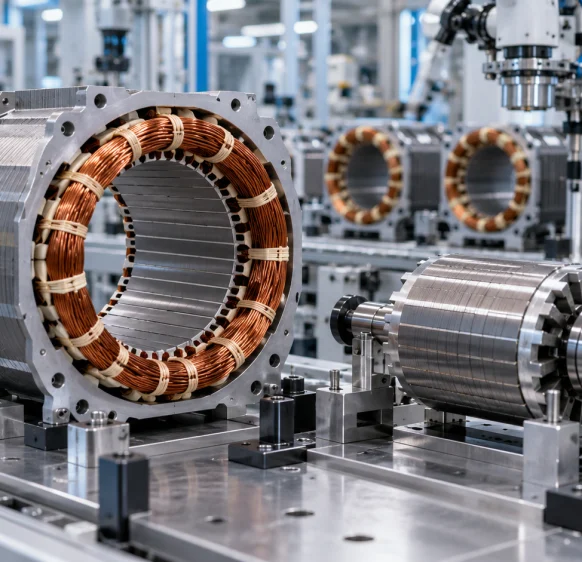
Electric motor manufacturing
-
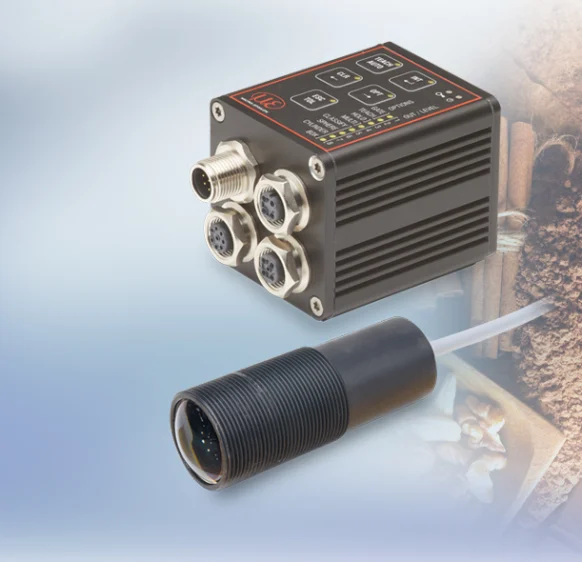
Food industry
-

Automotive industry
- Airlines & Aerospace Our balancing machines and moment weighing scales for aerospace drives ensure maximum precision, ease of use, and modular flexibility delivering reliability and performance without compromise contributing to your economic success.
- Automatic balancing machines Automatic balancing machines from Schenck are advanced solutions for precise balancing of rotating components in automated production processes. We offer systems and stations for balancing crankshafts, wheels and tires, turbochargers, electric armatures, drives, axle drive units, torque converters, drive shafts, disc-shaped rotors, as well as fans. Our systems increase productivity, ensure consistent quality, and are tailored to the needs of the automotive, energy, and industrial sectors.
- Axle Drives With our balancing machines for front and rear axle transmissions, the measured unbalance is corrected by drilling into the drive flanges of the transmissions (welding optional). We support you with our interdisciplinary expertise in the production of front and rear axle transmissions from the initial idea to the design stage through to series production.
-
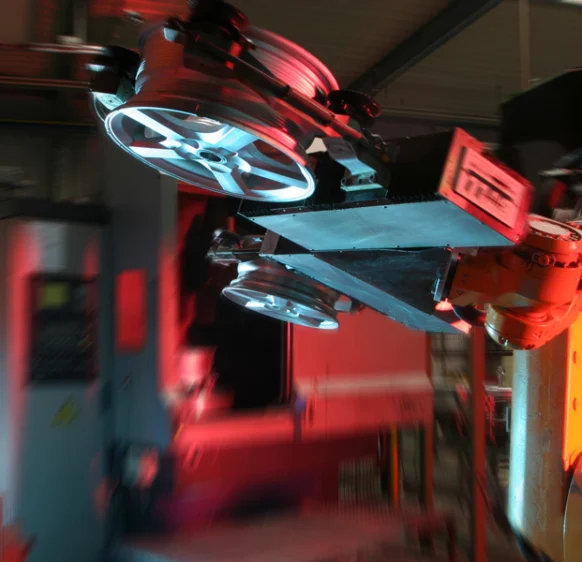
Industrial automation
-
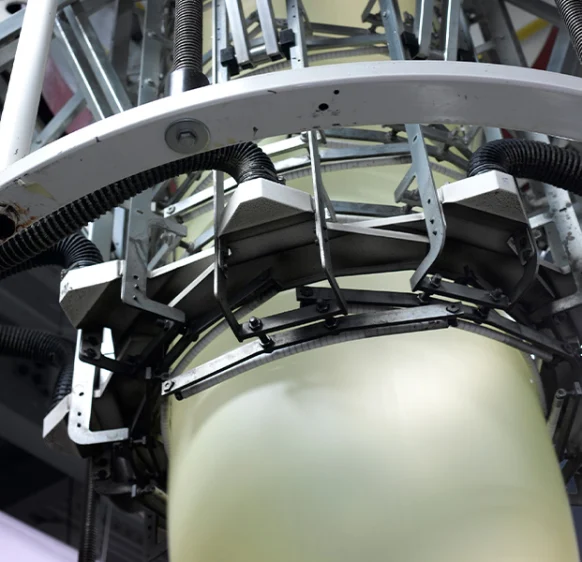
Plastics
-
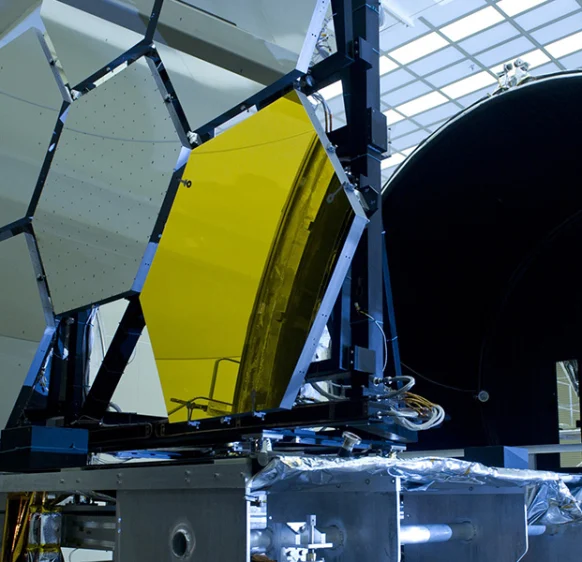
Optics
-
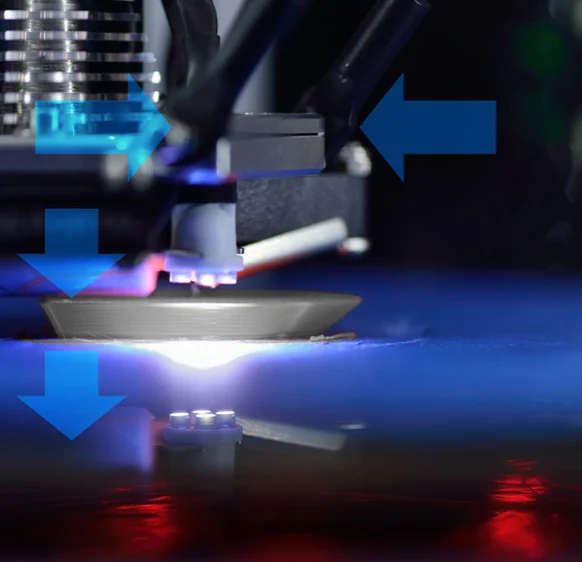
3D printing
-
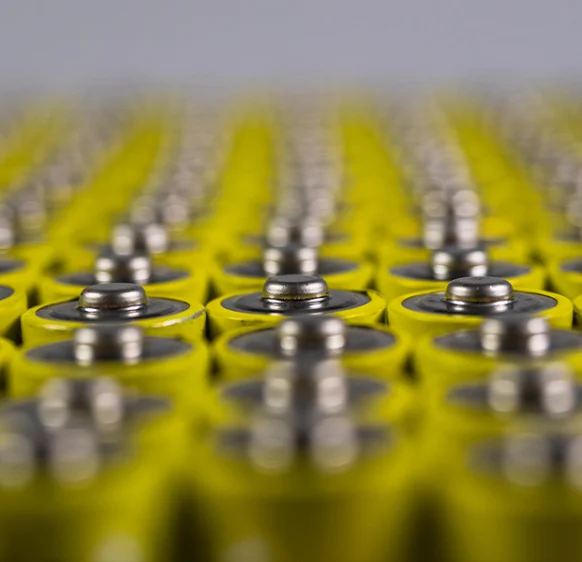
Battery manufacturing
Frequently asked questions
Answers to the most common questions about our products and services
The two-microphone method uses differences between microphone signals. Type 4197 is amplitude- and phase-matched to support sound-intensity measurements.
It is a microphone pair. A probe with defined acoustic spacing, suitable preamplification and an intensity-capable analysis system are also required.
An intensity system using the pair can measure sound power by documented methods such as ISO 9614, according to system configuration and measurement procedure.
Use the range specified for the probe and system. In the documented system, extending the upper limit to 10 kHz requires the appropriate pressure correction.
The calibration data describe the matched microphones and support measurement-chain setup. Phase matching is particularly important for low-frequency intensity measurements.
Get a quote or advice
Tell us what you need and an engineer will come back to you.
Request a quote for this product