
















Taro & ESx Balancing systems
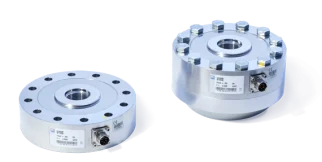
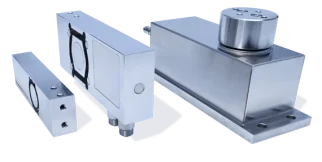
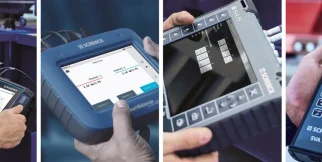
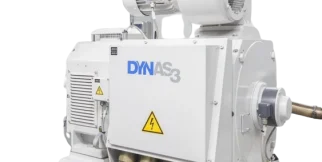
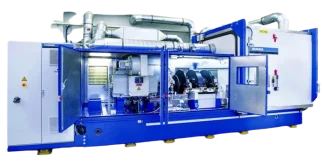
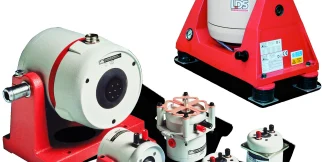
Taro & ESx: system by Schenck RoTec for balancing systems.
This series on the Schenck RoTec site (opens in a new tab)
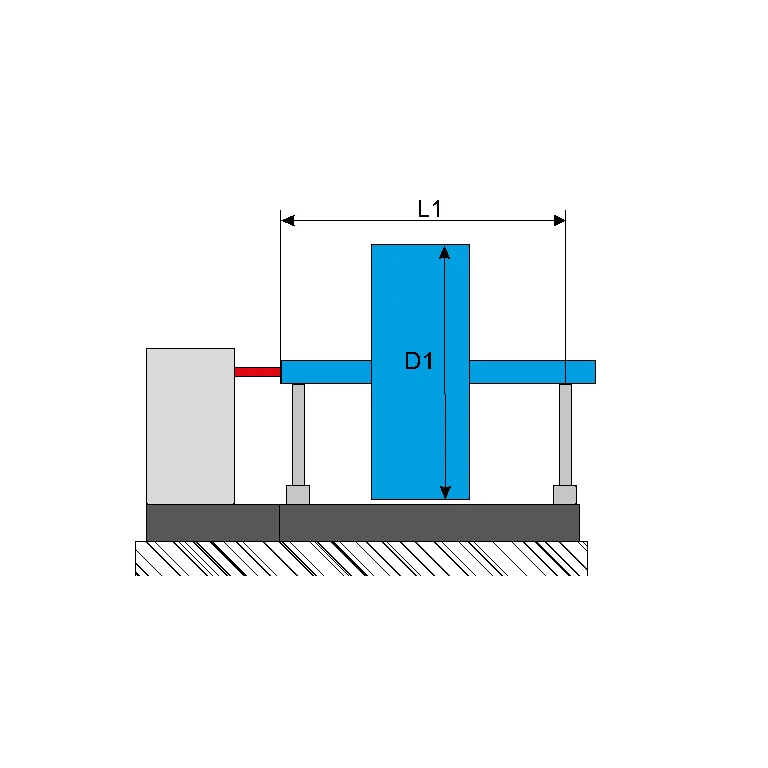
Shared technical specifications for the series
Properties every model in the series has. What differs is in the models table below.
Range across models
The span covered by the models of the series together — not the range of each model.
| Maximum rotor mass | 200 kg |
|---|---|
| Interfaces | ethernet |
Models in the series
One column per model: what differs between the models of the series.
| Parameter | Taro eli-m-bbc175fd1eee331421eee878 |
|---|---|
| Maximum rotor mass | 3600 kg |
| Interfaces | ethernet |
| quantity_specification | static balancing machine |
| interface_specification | Digital I/O |
| Status | Active |
The industries we serve
-
-
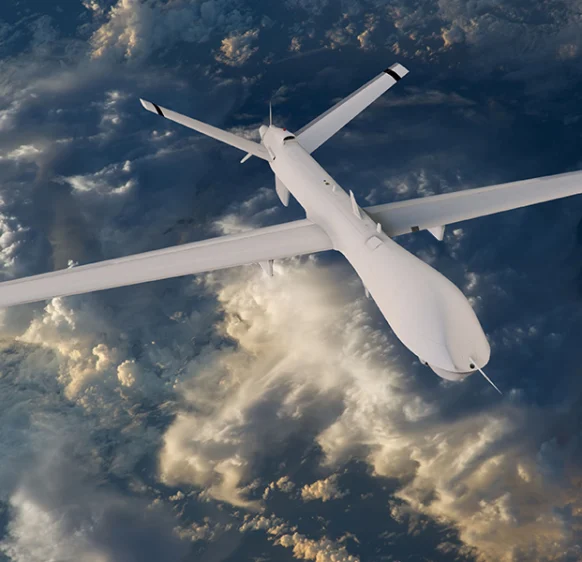
Aerospace
- Aircraft door-lock position detection
- Airlines & Aerospace Our balancing machines and moment weighing scales for aerospace drives ensure maximum precision, ease of use, and modular flexibility delivering reliability and performance without compromise contributing to your economic success.
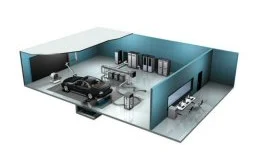
- Automatic balancing machines Automatic balancing machines from Schenck are advanced solutions for precise balancing of rotating components in automated production processes. We offer systems and stations for balancing crankshafts, wheels and tires, turbochargers, electric armatures, drives, axle drive units, torque converters, drive shafts, disc-shaped rotors, as well as fans. Our systems increase productivity, ensure consistent quality, and are tailored to the needs of the automotive, energy, and industrial sectors.
-
Medical industry
-
Environment
-
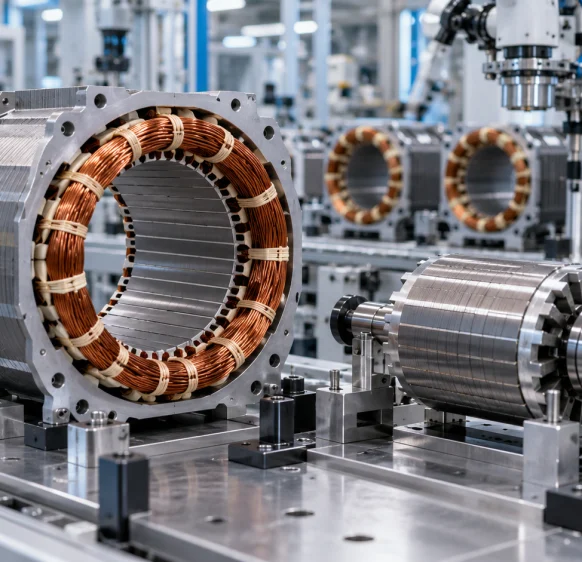
Electric motor manufacturing
-
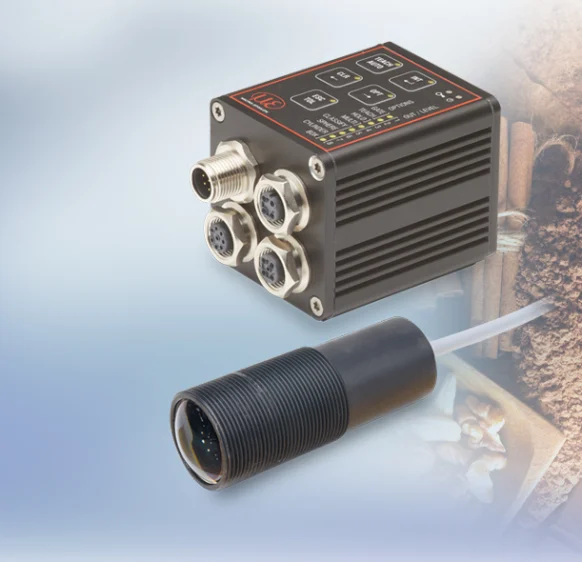
Food industry
-
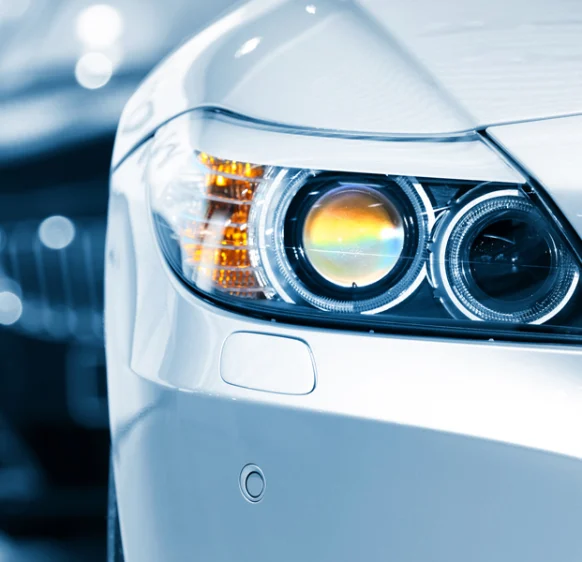
Automotive industry
- Airlines & Aerospace Our balancing machines and moment weighing scales for aerospace drives ensure maximum precision, ease of use, and modular flexibility delivering reliability and performance without compromise contributing to your economic success.
- Automatic balancing machines Automatic balancing machines from Schenck are advanced solutions for precise balancing of rotating components in automated production processes. We offer systems and stations for balancing crankshafts, wheels and tires, turbochargers, electric armatures, drives, axle drive units, torque converters, drive shafts, disc-shaped rotors, as well as fans. Our systems increase productivity, ensure consistent quality, and are tailored to the needs of the automotive, energy, and industrial sectors.
- Axle Drives With our balancing machines for front and rear axle transmissions, the measured unbalance is corrected by drilling into the drive flanges of the transmissions (welding optional). We support you with our interdisciplinary expertise in the production of front and rear axle transmissions from the initial idea to the design stage through to series production.
-
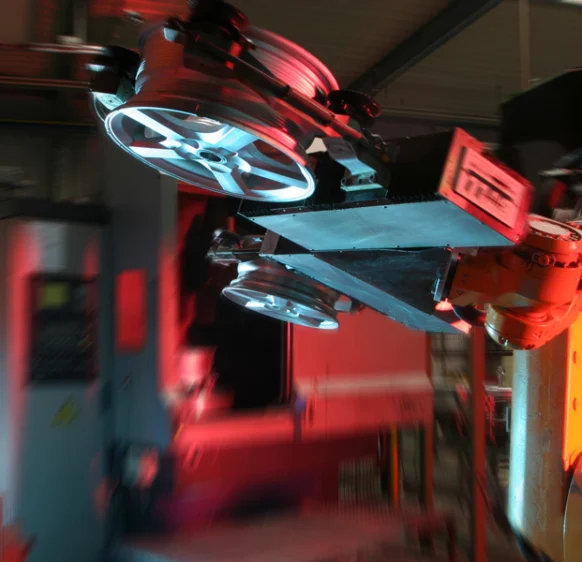
Industrial automation
-
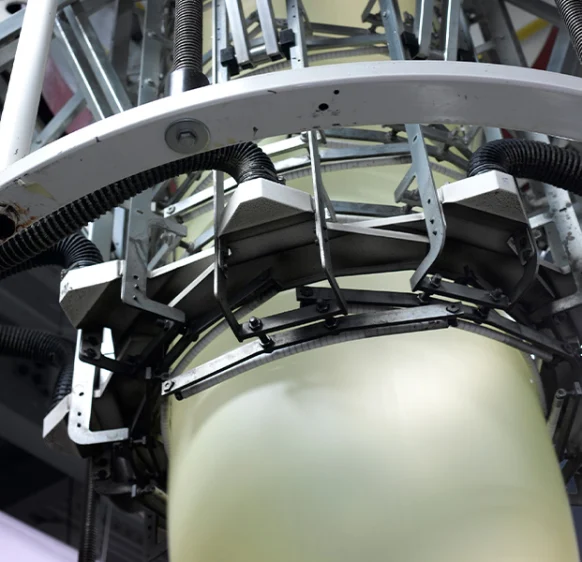
Plastics
-
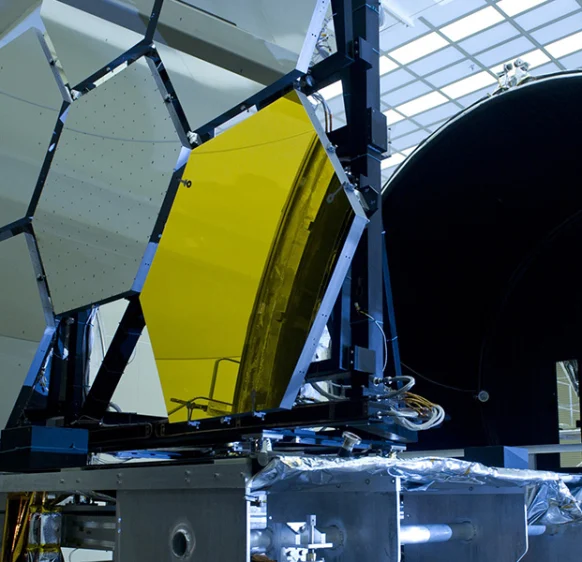
Optics
-
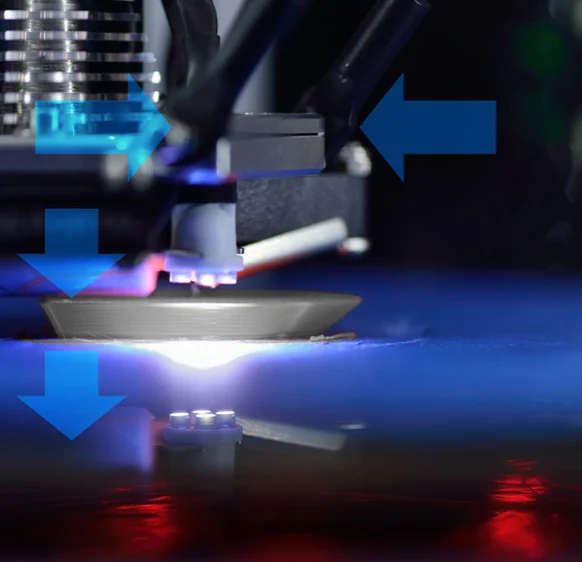
3D printing
-
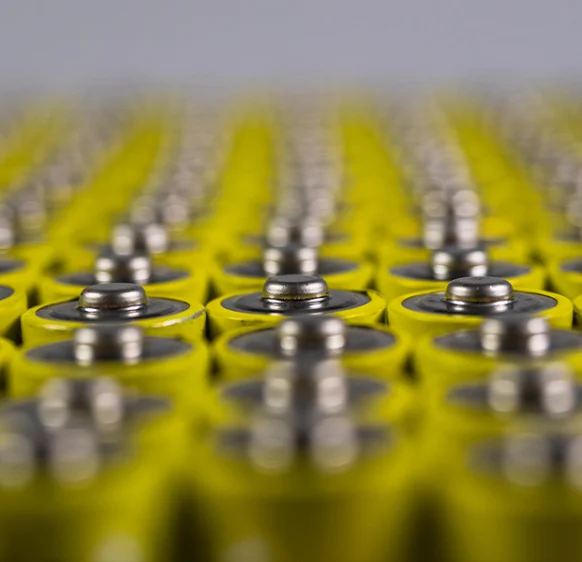
Battery manufacturing
Frequently asked questions
Answers to the most common questions about our products and services
They are static balancing machines, so the rotor does not need acceleration to a measuring speed and subsequent braking.
The manufacturer describes adding material directly on the machine or removing material on a separate correction unit, depending on the part and process.
Not when couple unbalance must also be identified and corrected. Select the measuring principle for rotor geometry and balancing requirements.
No. For example, ESD is specified up to 20 kg and Taro 3600 up to 3600 kg. Capacity and measuring time are model-specific.
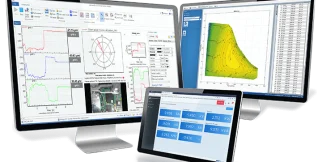
It displays unbalance and the required correction numerically and vectorially. Rotor data and balancing tolerance define result evaluation.
Get a quote or advice
Tell us what you need and an engineer will come back to you.
Request a quote for this product