
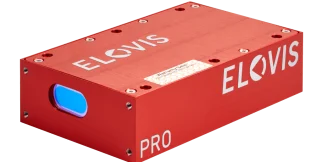
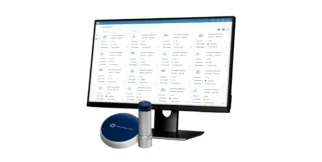
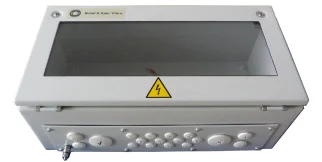
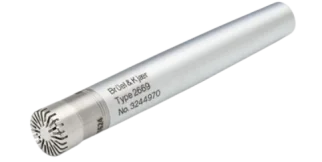
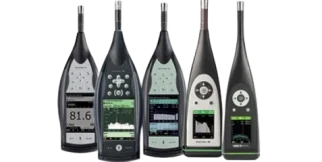












µSPEED-PRO Rotational speed
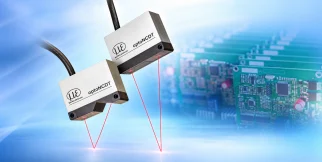
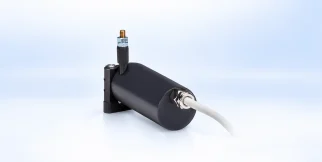
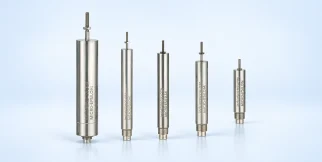
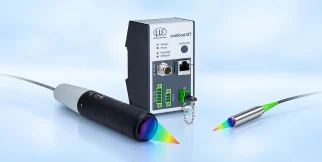
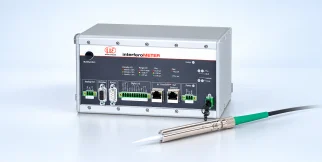
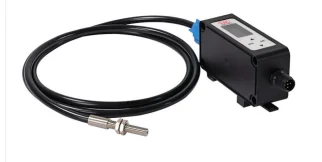
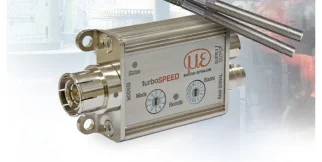
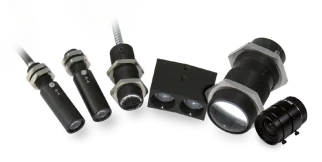
µSPEED-PRO: sensors and measurement devices by Elovis for rotational speed.
This series on the Elovis site (opens in a new tab)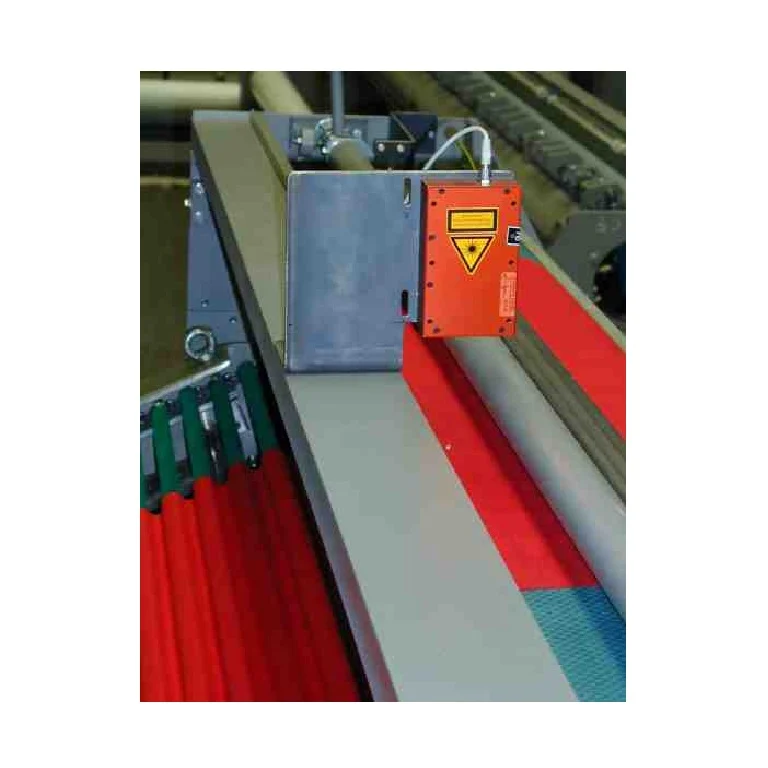
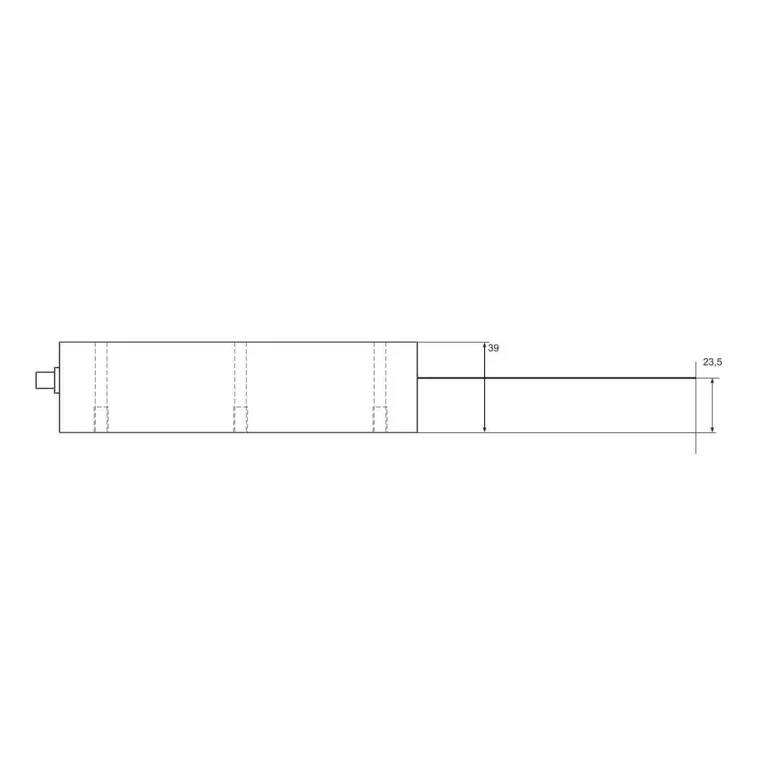
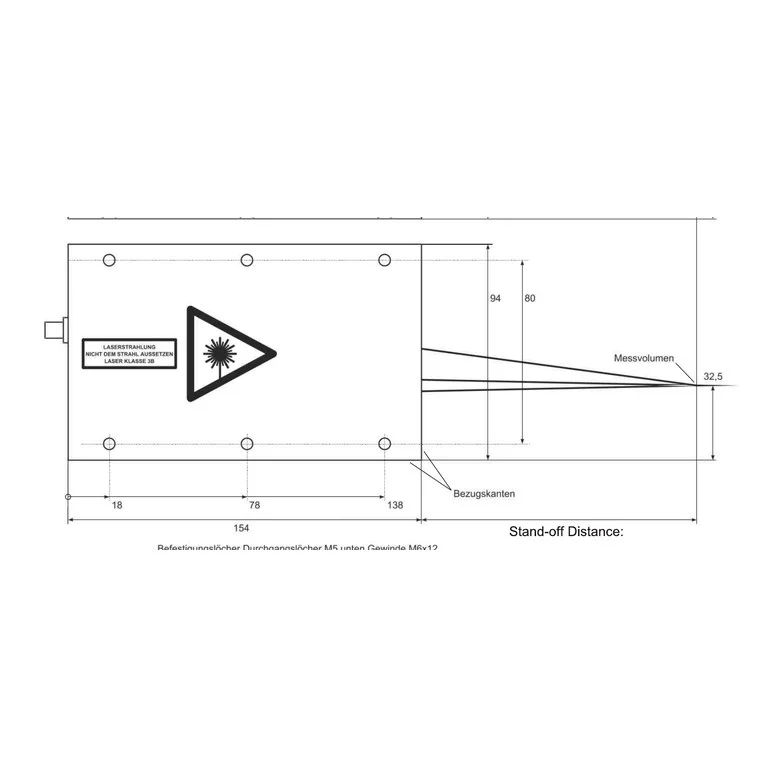
Shared technical specifications for the series
Properties every model in the series has. What differs is in the models table below.
Range across models
The span covered by the models of the series together — not the range of each model.
| measured_speed_interval | -20–20 m/s |
|---|
Models in the series
One column per model: what differs between the models of the series.
| Parameter | µSPEED-PRO-S1/115 eli-m-a03f4f98fa77fc0858414e9c | µSPEED-PRO-S20/115 eli-m-72d2090c2d5b4c29677a25ed | µSPEED-PRO-S3/115 eli-m-a3ea2741c7a9ffbed93af0ed | µSPEED-PRO-S5/115 eli-m-7087e6ea9425f2634b358309 |
|---|---|---|---|---|
| Repeatability (% FSO) | 0.02 % | 0.02 % | 0.02 % | 0.02 % |
| measured_speed_interval | -1–1 m/s | -20–20 m/s | -3–3 m/s | -5–5 m/s |
| Protection class (DIN EN 60529) | ip67 | ip67 | ip67 | ip67 |
| Interfaces | rs232 | rs232 | rs232 | rs232 |
| Accuracy (% FSO) | 0.05 % | 0.05 % | 0.05 % | 0.05 % |
| interface_specification | Digital I/O | Digital I/O | Digital I/O | RS422 / RS485 |
| source_non_contact_speed_measurement | True | True | True | True |
| Operating temperature | 5–55 °C | 5–55 °C | 5–55 °C | 5–55 °C |
| source_linearity_basis | Official typical length and speed accuracy: ±0.05% of reading. | Official typical length and speed accuracy: ±0.05% of reading. | Official typical length and speed accuracy: ±0.05% of reading. | Official typical length and speed accuracy: ±0.05% of reading. |
| source_sampling_rate_basis | The official ELOVIS page specifies quadrature output configurable from 1 to 100,000 pulses/m plus serial ASCII speed/length data, but no fixed internal measurement or update rate; output pulse frequency depends on the configured pulses/m and surface speed. | The official ELOVIS page specifies quadrature output configurable from 1 to 100,000 pulses/m plus serial ASCII speed/length data, but no fixed internal measurement or update rate; output pulse frequency depends on the configured pulses/m and surface speed. | The official ELOVIS page specifies quadrature output configurable from 1 to 100,000 pulses/m plus serial ASCII speed/length data, but no fixed internal measurement or update rate; output pulse frequency depends on the configured pulses/m and surface speed. | The official ELOVIS page specifies quadrature output configurable from 1 to 100,000 pulses/m plus serial ASCII speed/length data, but no fixed internal measurement or update rate; output pulse frequency depends on the configured pulses/m and surface speed. |
| source_repeatability_basis | Official typical repeatability: ±0.02% of reading. | Official typical repeatability: ±0.02% of reading. | Official typical repeatability: ±0.02% of reading. | Official typical repeatability: ±0.02% of reading. |
| Working distance | 115–115 mm | 115–115 mm | 115–115 mm | 115–115 mm |
| quantity_specification | 1 m/s maximum surface speed; 115 mm nominal stand-off. | 20 m/s maximum surface speed; 115 mm nominal stand-off. | 3 m/s maximum surface speed; 115 mm nominal stand-off. | 5 m/s maximum surface speed; 115 mm nominal stand-off. |
| Status | Active | Active | Active | Active |
The industries we serve
-
-
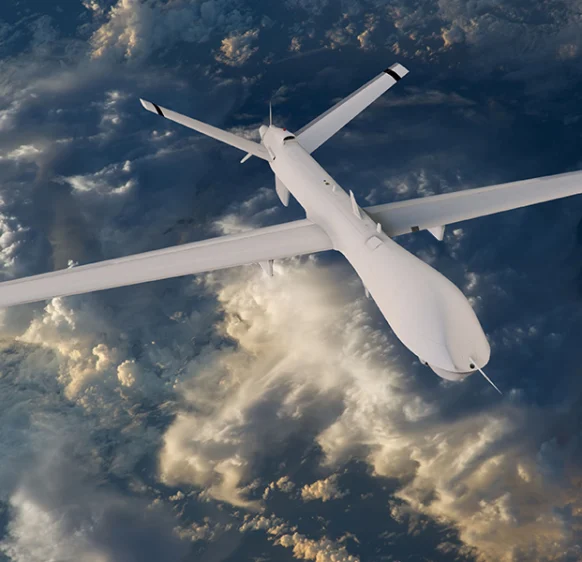
Aerospace
- Aircraft door-lock position detection
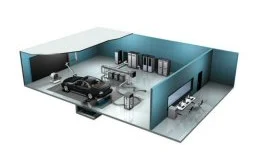
- Airlines & Aerospace Our balancing machines and moment weighing scales for aerospace drives ensure maximum precision, ease of use, and modular flexibility delivering reliability and performance without compromise contributing to your economic success.
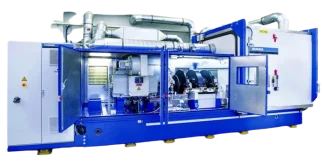
- Automatic balancing machines Automatic balancing machines from Schenck are advanced solutions for precise balancing of rotating components in automated production processes. We offer systems and stations for balancing crankshafts, wheels and tires, turbochargers, electric armatures, drives, axle drive units, torque converters, drive shafts, disc-shaped rotors, as well as fans. Our systems increase productivity, ensure consistent quality, and are tailored to the needs of the automotive, energy, and industrial sectors.
-
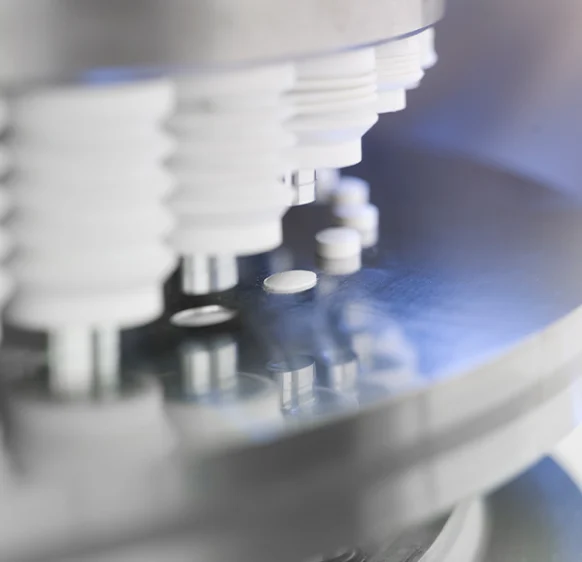
Medical industry
-
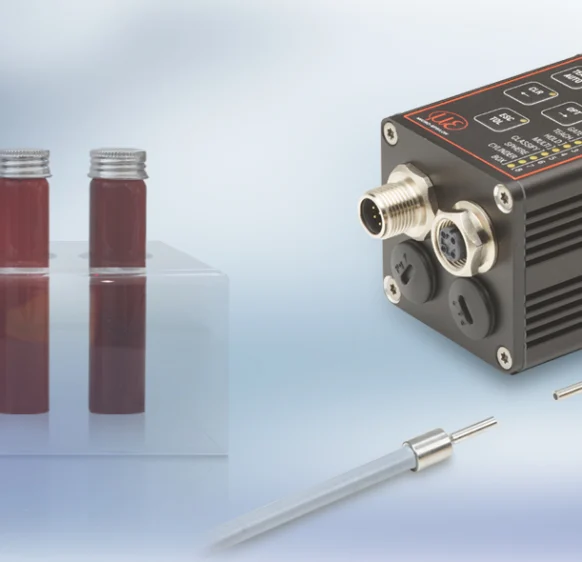
Environment
-
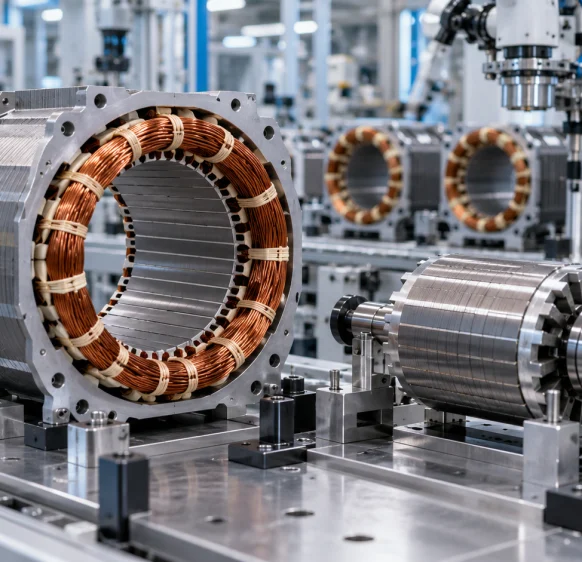
Electric motor manufacturing
-
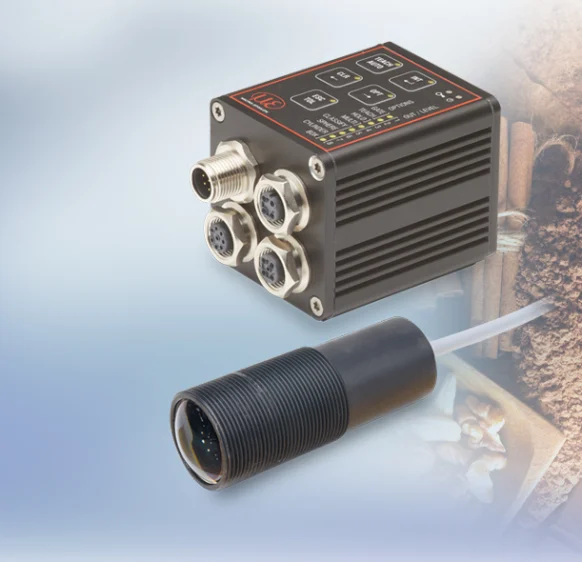
Food industry
-
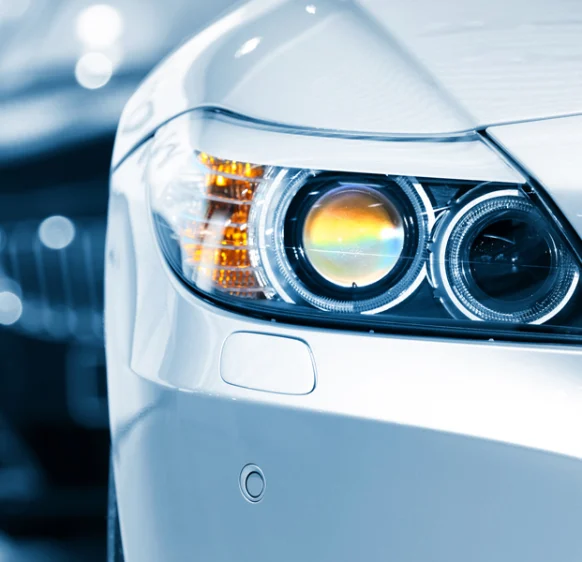
Automotive industry
- Airlines & Aerospace Our balancing machines and moment weighing scales for aerospace drives ensure maximum precision, ease of use, and modular flexibility delivering reliability and performance without compromise contributing to your economic success.
- Automatic balancing machines Automatic balancing machines from Schenck are advanced solutions for precise balancing of rotating components in automated production processes. We offer systems and stations for balancing crankshafts, wheels and tires, turbochargers, electric armatures, drives, axle drive units, torque converters, drive shafts, disc-shaped rotors, as well as fans. Our systems increase productivity, ensure consistent quality, and are tailored to the needs of the automotive, energy, and industrial sectors.
- Axle Drives With our balancing machines for front and rear axle transmissions, the measured unbalance is corrected by drilling into the drive flanges of the transmissions (welding optional). We support you with our interdisciplinary expertise in the production of front and rear axle transmissions from the initial idea to the design stage through to series production.
-
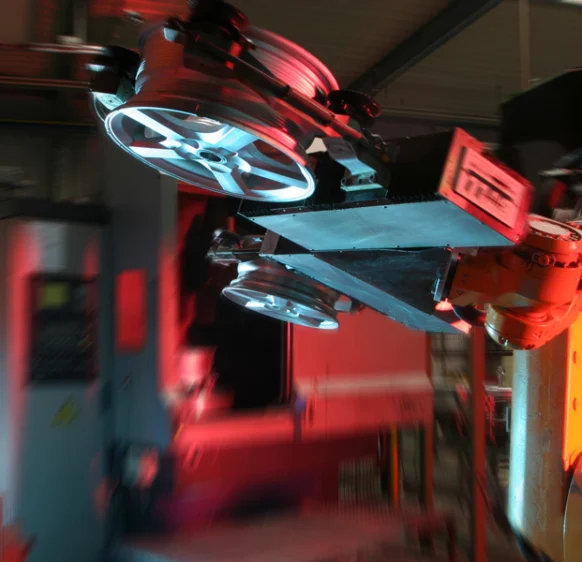
Industrial automation
-
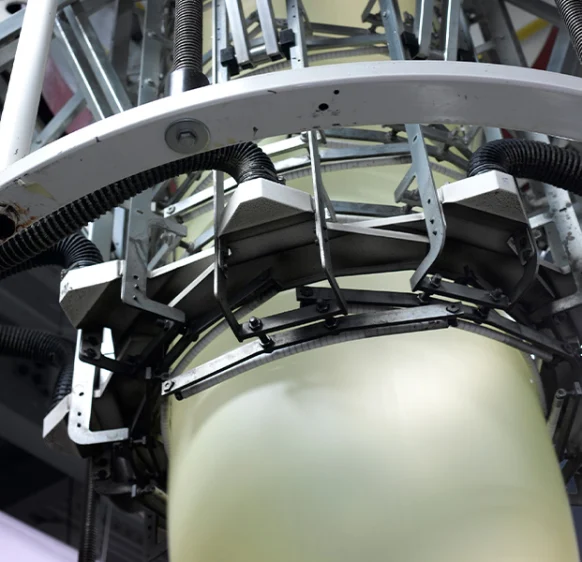
Plastics
-
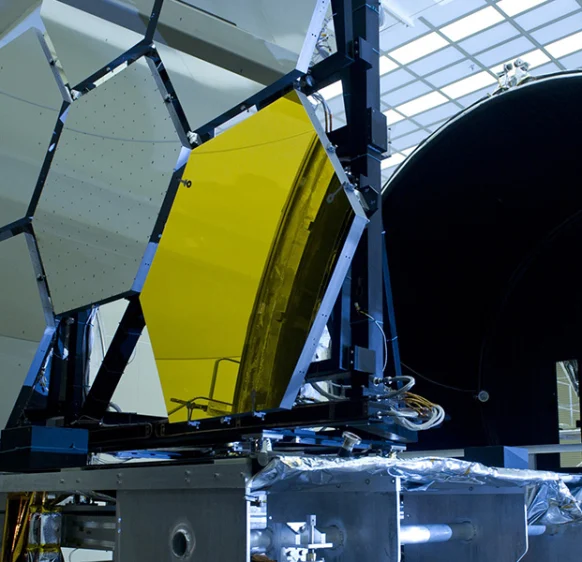
Optics
-
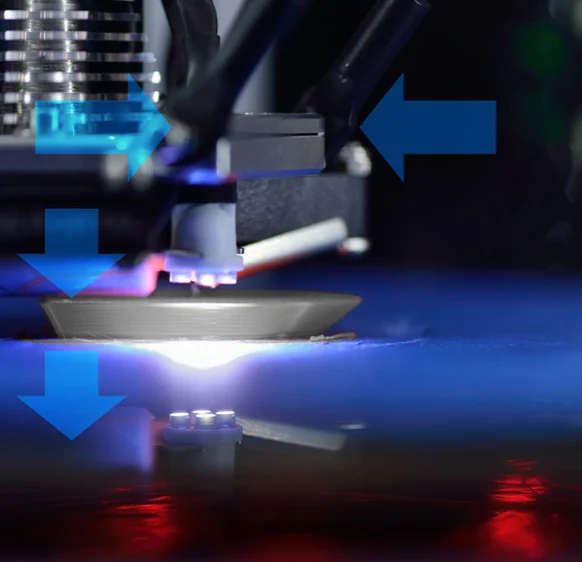
3D printing
-
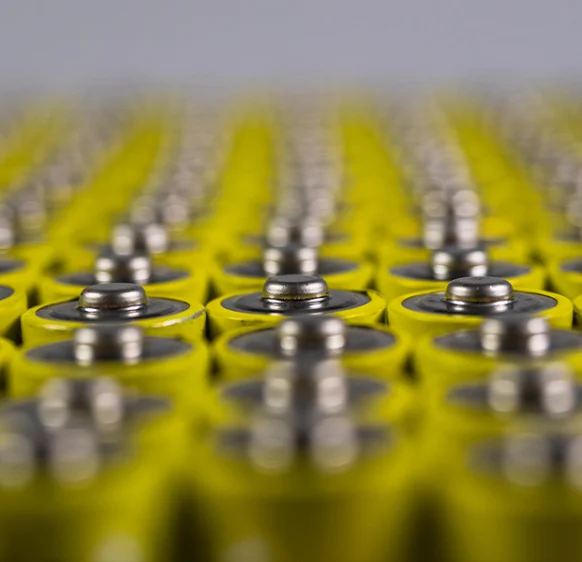
Battery manufacturing
Frequently asked questions
Answers to the most common questions about our products and services
Yes. It is a bidirectional length and speed sensor with direction recognition, standstill detection and measurement from 0 m/min.
The manufacturer lists quadrature output or ASCII over a serial interface, with Ethernet and industrial-bus options depending on configuration.
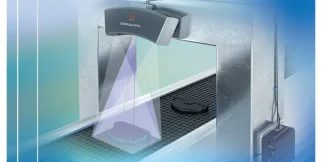
It measures moving-material linear speed and length by laser Doppler sensing, without a measuring wheel or special material markings.
Typical ±0.05% accuracy is specified at 2σ for lengths above 10 m or 3σ above 20 m. Repeatability of ±0.02% of reading is separate.
No. The listed S1, S3, S5 and S20 versions have ±1, ±3, ±5 and ±20 m/s ranges respectively. The family maximum is not every model range.
Get a quote or advice
Tell us what you need and an engineer will come back to you.
Request a quote for this product