
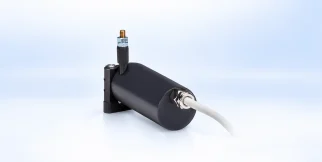
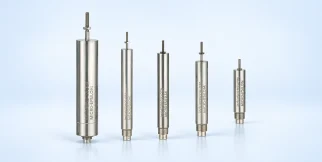
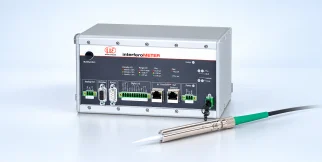
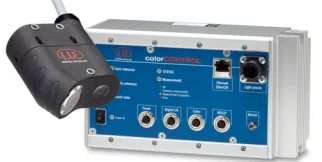
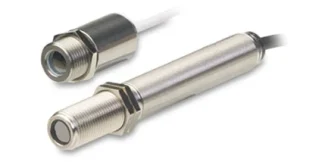
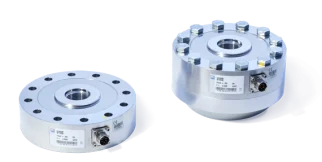
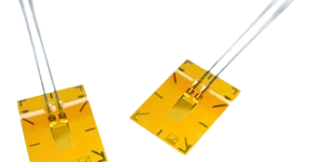

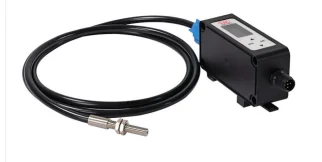











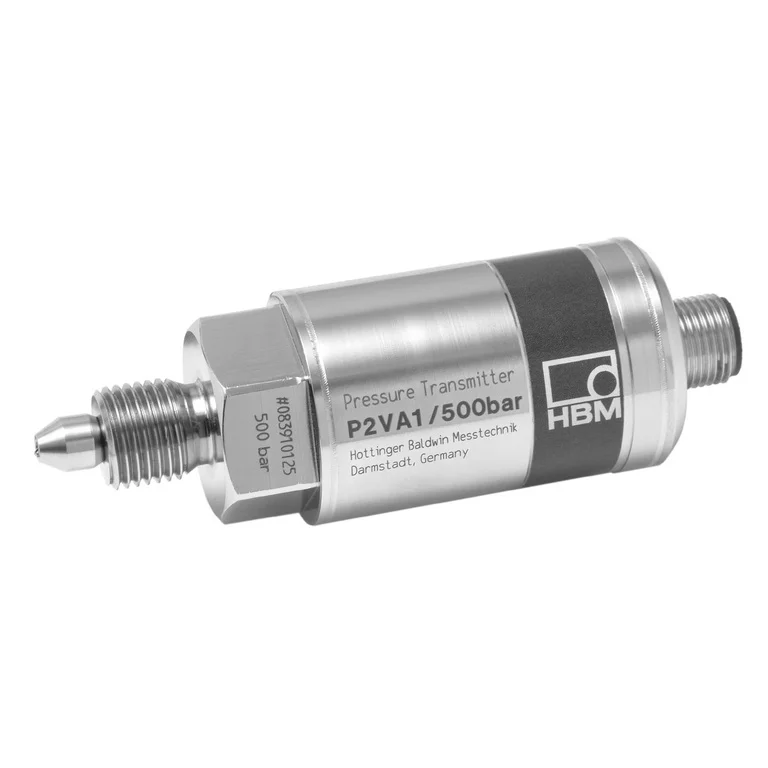
- Pressure range
- 0–1000 bar

Sensors
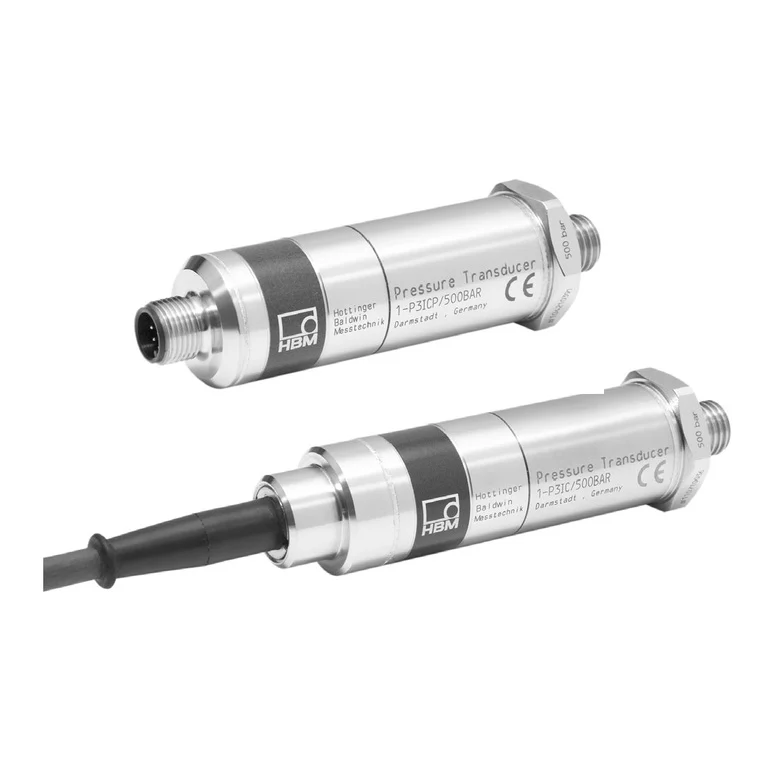
Pressure sensors
Explore pressure sensors and transducers. Compare measuring ranges and model specifications for industrial measurement and test applications.
8 series in this technology
Pressure sensors models
101 matching models
-
-
- Pressure range
- 0–2000 bar
-
- Pressure range
- 0–3000 bar
-
- Pressure range
- 0–5000 bar
-
- Pressure range
- 0–500 bar
-
- Pressure range
- 0–1000 bar
-
- Pressure range
- 0–2000 bar
-
- Pressure range
- 0–3000 bar
-
- Pressure range
- 0–5000 bar
-
- Pressure range
- 0–500 bar
-
- Pressure range
- 0–1000 bar
-
- Pressure range
- 0–100 bar
-
- Pressure range
- 0–10 bar
-
- Pressure range
- 0–2000 bar
-
- Pressure range
- 0–200 bar
-
- Pressure range
- 0–20 bar
-
- Pressure range
- 0–2500 bar
-
- Pressure range
- 0–3000 bar
-
- Pressure range
- 0–500 bar
-
- Pressure range
- 0–50 bar
-
- Pressure range
- 0–750 bar
-
- Pressure range
- 0–1000 bar
-
- Pressure range
- 0–100 bar
-
- Pressure range
- 0–10 bar
Quality and certification
Certified quality management, calibration certificates and calibration services at manufacturers’ facilities.
- Every instrument is supplied with a calibration certificate.
- Advanced calibration services at manufacturers’ facilities abroad, coordinated and supported by Elina.
- The quality management system is certified to ISO 9001:2015. Certificate I31417 is valid until 7 April 2028.
9001:2015
The industries we serve
-

Semiconductors and electronics
-
Aerospace
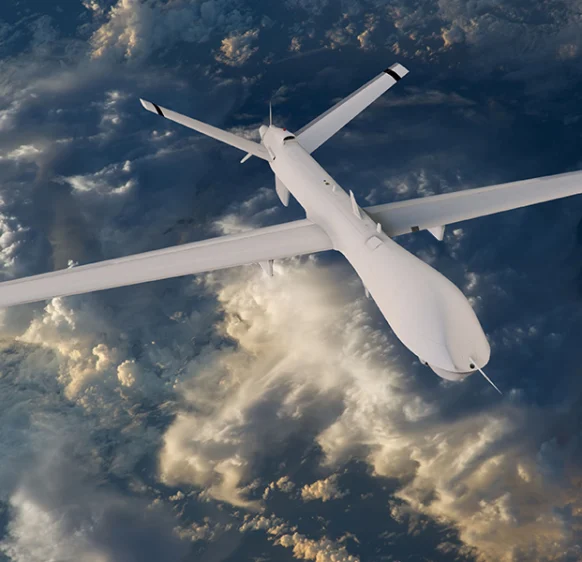
- Aircraft door-lock position detection
- Airlines & Aerospace Our balancing machines and moment weighing scales for aerospace drives ensure maximum precision, ease of use, and modular flexibility delivering reliability and performance without compromise contributing to your economic success.
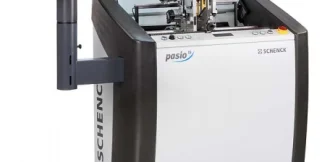
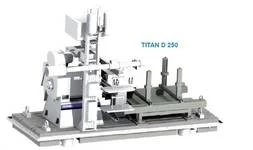
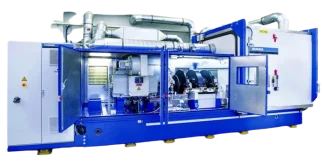
- Automatic balancing machines Automatic balancing machines from Schenck are advanced solutions for precise balancing of rotating components in automated production processes. We offer systems and stations for balancing crankshafts, wheels and tires, turbochargers, electric armatures, drives, axle drive units, torque converters, drive shafts, disc-shaped rotors, as well as fans. Our systems increase productivity, ensure consistent quality, and are tailored to the needs of the automotive, energy, and industrial sectors.
-
Medical industry
-
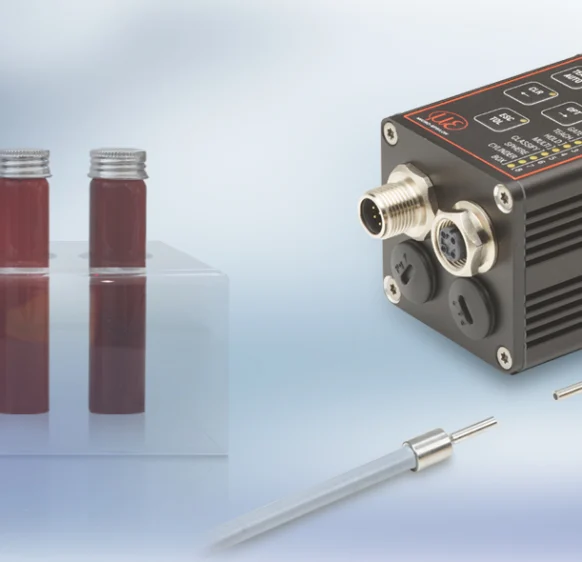
Environment
-
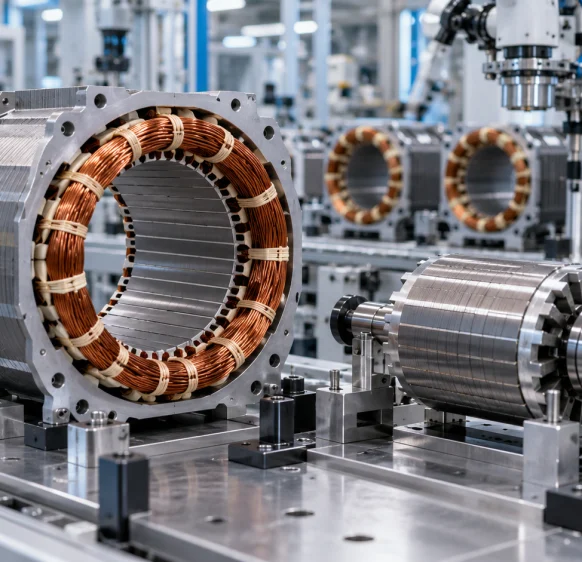
Electric motor manufacturing
-
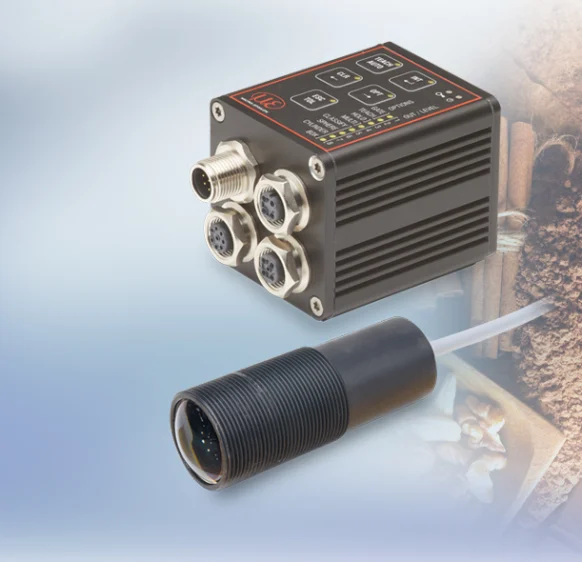
Food industry
-
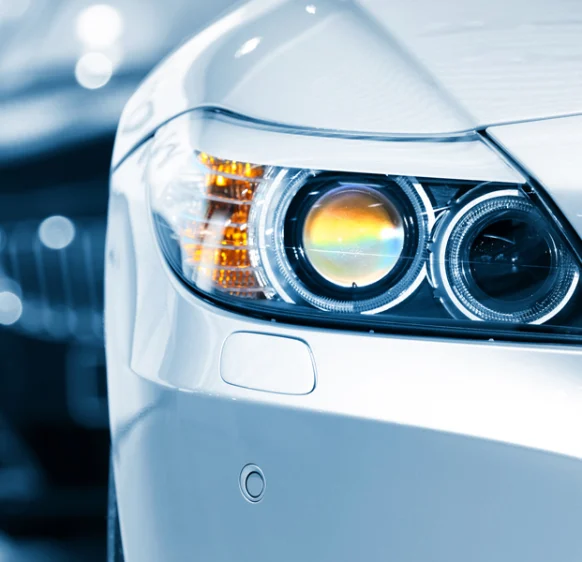
Automotive industry
- Airlines & Aerospace Our balancing machines and moment weighing scales for aerospace drives ensure maximum precision, ease of use, and modular flexibility delivering reliability and performance without compromise contributing to your economic success.
- Automatic balancing machines Automatic balancing machines from Schenck are advanced solutions for precise balancing of rotating components in automated production processes. We offer systems and stations for balancing crankshafts, wheels and tires, turbochargers, electric armatures, drives, axle drive units, torque converters, drive shafts, disc-shaped rotors, as well as fans. Our systems increase productivity, ensure consistent quality, and are tailored to the needs of the automotive, energy, and industrial sectors.
- Axle Drives With our balancing machines for front and rear axle transmissions, the measured unbalance is corrected by drilling into the drive flanges of the transmissions (welding optional). We support you with our interdisciplinary expertise in the production of front and rear axle transmissions from the initial idea to the design stage through to series production.
-
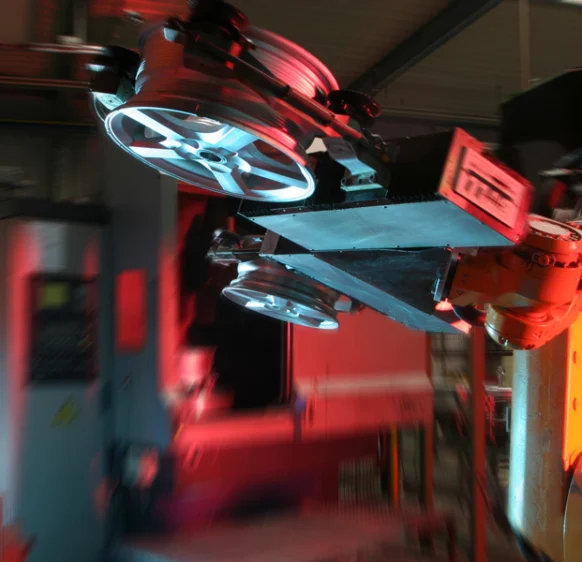
Industrial automation
-
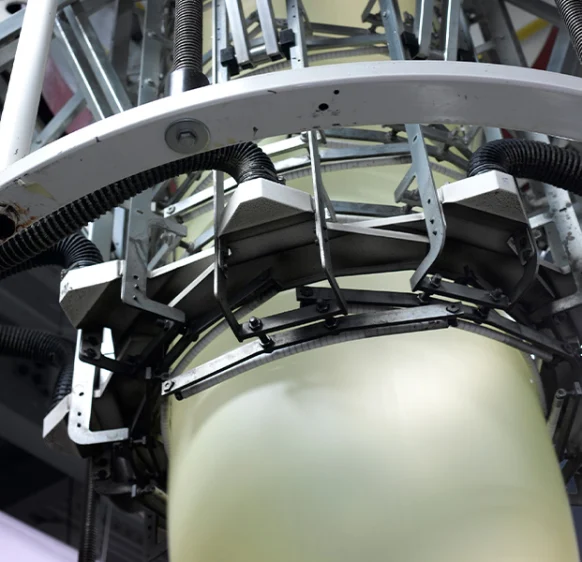
Plastics
-
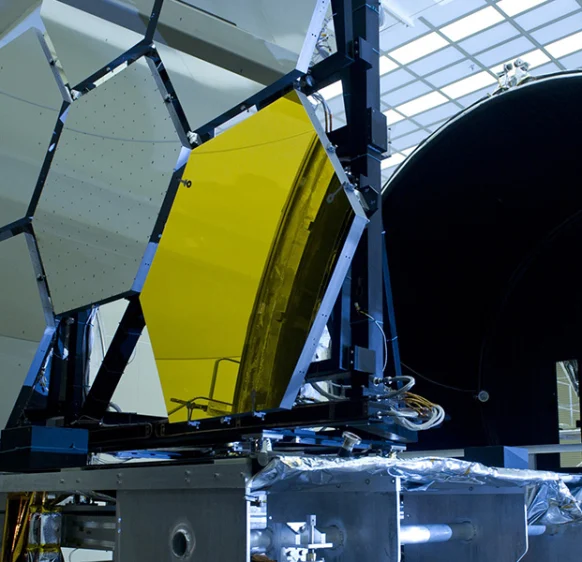
Optics
-
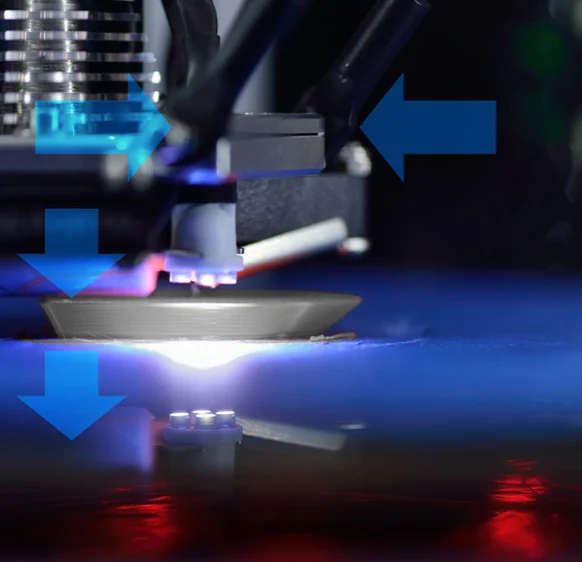
3D printing
-
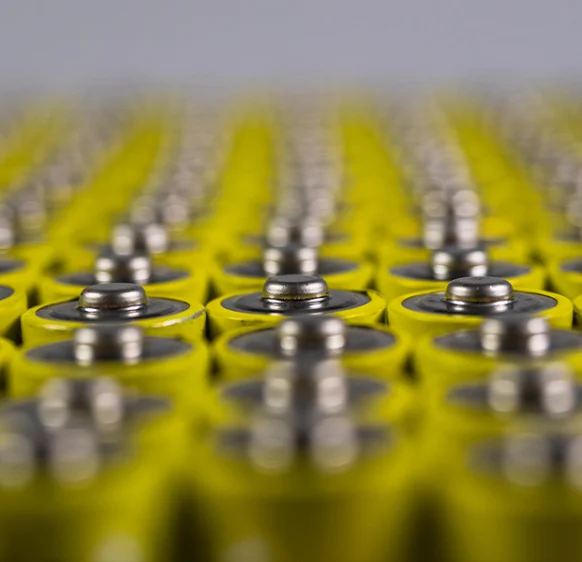
Battery manufacturing
Frequently asked questions
Answers to the most common questions about our products and services
Specify the pressure reference. For example, the P3 transducers described in the manual measure absolute pressure using a sealed reference chamber. Electronically taring atmospheric pressure can support gauge measurement under defined conditions, but the two definitions should not be interchanged without checking the application.
A short peak duration does not by itself permit an overload. Check the model static and dynamic loading limits. For P3, for example, dynamic pressure peaks are limited to nominal pressure and a separate peak-to-peak fluctuation limit applies. This is a model limit, not a universal percentage for pressure sensors.
A bridge output requires a measuring amplifier matched to transducer excitation and sensitivity. A voltage- or current-output transmitter requires a compatible input for that conditioned signal. The HBK catalogue contains different configurations, so check the selected model and option before defining a direct system connection.
Not necessarily. P3 tables list accuracy data by range and configuration, together with repeatability and temperature effects. Check the definition and reference conditions for each value. Do not copy a single accuracy value to every model in the series or substitute repeatability for accuracy class.
Check nominal temperature range, operating temperature range and the configuration IP rating separately. The HBK catalogue also shows differences in electrical connections. Do not infer that one model IP rating applies to an entire series or every possible connection.
Trapped volumes and gas or liquid volumes on the application side can alter the measurement. The P3 manual provides installation guidance to prevent an air cushion during dynamic liquid-pressure measurement. Also check the frequency range against transducer resonance, where amplitude amplification can occur.
Contact us
Tell us what you need to measure and an engineer will get back to you.
Send us a message
- Address 29 Hametzuda St., Azur Industrial Zone Azur 5800173, Israel · POB 11475
- Phone 03-5590277
- Email sales@elinatech.com
- Opening hours Sun–Thu, 08:30–18:00